- The platform was downed after ex-PM Khan’s party called for protests against an official’s admission of Feb. 8 vote manipulation
- Khan’s party faced a sweeping crackdown ahead of the election, forced into opposition by a coalition of military-backed parties
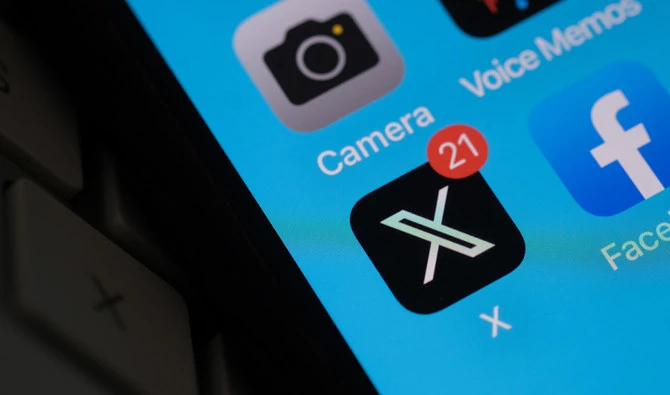
ISLAMABAD: Pakistan entered on Saturday its fourth week of nationwide disruption to social media platform X, with activists waging a court battle to get it restored.
The platform, formerly known as Twitter, was downed after jailed former prime minister Imran Khan’s party called for protests against a government official’s admission of vote manipulation in last month’s election.
Khan’s Pakistan Tehreek-e-Insaf (PTI) party faced a sweeping crackdown ahead of the February 8 poll, forced into opposition by a coalition of military-backed parties despite winning the most seats.
Journalists and academics have filed a case in Sindh High Court in the mega city of Karachi against Pakistan’s Telecommunication Authority (PTA) for the outage.
“X is a common platform of commentary in Pakistan and if you block it, then you are taking oxygen away from public discourse which is illegal,” said their lawyer Abdul Moiz Jaferii.
“The reason behind this (disruption) is not to stop people from talking but it is to stop most people from listening.”
In a hearing on Thursday, the telecommunications authority sought more time to respond to the challenge.
The government has not commented on the outage.
AFP staff reported Saturday that X remained disrupted in the capital Islamabad, as well as the megacities of Lahore and Karachi.
Access to X has been sporadic, occasionally available for short cycles based on the Internet service provider, forcing users to virtual private networks (VPN), said Alp Toker of the NetBlocks Internet monitor.
Mobile Internet services were cut across the country on election day, with the interior ministry citing security reasons.
It was followed by a long delay in issuing voting results — giving rise to allegations of rigging.
Khan’s opposition party had already faced heavy censorship in the weeks before the election, banned from television channels and from holding rallies, forcing its campaign online.
But the censorship followed.
Pakistani Internet freedom watchdog Bytes For All recorded four separate hours-long social media shutdowns in January — cutting off access to TikTok, Facebook, Instagram and YouTube while Khan’s PTI live-streamed to its supporters.
“It all started with targeting one political party’s online campaigning during pre-polls, however, post-polls it is more a test of all citizens and democratic institutions — particularly the parliament and judiciary. How are they going to respond and interpret the blockage of X?,” the watchdog told AFP.
Amber Rahim Shamsi, one of the petitioners and the director of the Center for Excellence in Journalism, said she believes the restrictions are an attempt by the state to control PTI’s social media success.
“When the state has no credible counternarrative, it uses coercive measures to control or manipulate information,” Shamsi said.