SEOUL: South Korean hospitals turned away some patients and delayed surgeries on Tuesday as hundreds of trainee doctors stopped working in a protest against medical training reforms.
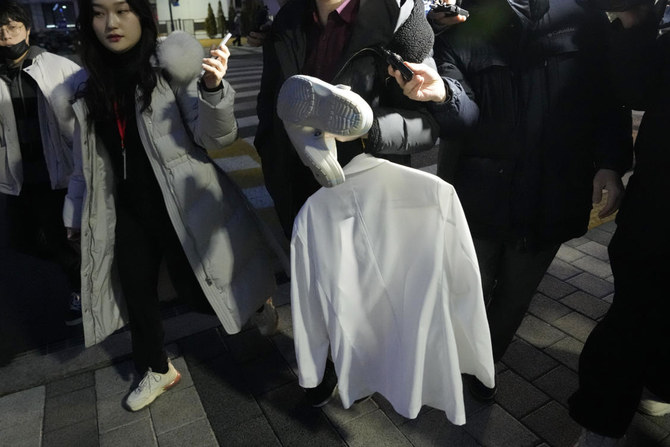
Almost 6,500 doctors submitted their resignations — nearly half the junior workforce — with 1,600 walking off the job, according to health ministry figures.
But South Korea’s President Yoon Suk Yeol said the government would not back down over the “necessary” reforms, which he described as an essential measure to prepare for caring for the country’s fast-aging population.
The training reforms call for a 65 percent increase in the number of students admitted to medical schools — an additional 2,000 people a year — starting from 2025.
Seoul has been trying to increase medical school enrolments for 30 years to no avail, he said, adding that the country was at a point where “we can’t withstand another failure.”
“This increase is far short of necessary numbers to prepare the future of our nation,” he said, urging doctors not to “hold people’s lives and health hostage” with work stoppages.
The government has ordered the doctors back to work, and police have warned of arrests for instigators of the work stoppages. South Korean law limits the ability of medical staff to strike.
Second Vice Health Minister Park Min-soo told reporters that the walkouts had already resulted in cancelations of surgeries and disruptions in medical services.
The government’s top priority is to “maintain medical emergency services and treatment for serious cases at major hospitals,” he said, to “avoid situations in which patients with serious conditions are prevented from accessing treatment.”
The Asan Medical Center in Seoul, one of the biggest general hospitals in the country, said that its emergency room was operating as normal on Tuesday but “some adjustments” were being made.
“Some surgeries have been postponed due to the ongoing situation,” the hospital’s PR wing said.
South Korea says it has one of the lowest doctor-to-population ratios among developed countries, and the government is pushing hard to increase the number of physicians.
Doctors have voiced fierce opposition to the government’s plan to sharply raise medical school admissions, claiming it would hurt the quality of service.
Proponents of the plan say doctors are mainly concerned reforms could erode their salaries and social status.
The plan is popular with the public, who experts suggest are tired of long wait times at hospitals, with a recent Korean Gallup poll showing over 75 percent of respondents in favor, regardless of political affiliation.
The Korean Medical Association said the government’s threats of legal action were akin to a “witch hunt” and claimed the plan would create a “Cuban-style socialist medical system.”
The Korea Association of Medical Colleges has called for a significantly lower admissions increase of 11 percent, a demand the government has rejected.
“I have submitted my resignation letter,” Park Dan, head of the Korea Interns and Residents Association, wrote Monday on Facebook.
“I am now able to abandon my dream of becoming a specialist in pediatric emergency medicine without any regrets. I have no intention of going back.”


![]()

South Korean trainee doctors stop work to protest medical reforms
Short Url
https://arab.news/4zw5g
South Korean trainee doctors stop work to protest medical reforms
- Almost 6,500 doctors submitted their resignations – nearly half the junior workforce – with 1,600 walking off the job


Latest updates


Recommended


© 2026 SAUDI RESEARCH & PUBLISHING COMPANY, All Rights Reserved And subject to Terms of Use Agreement.