

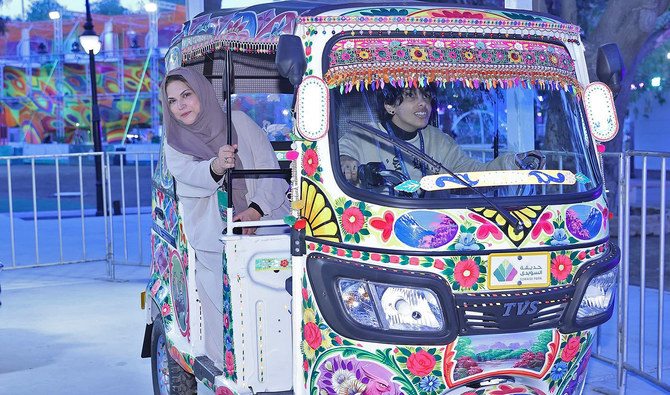

ISLAMABAD: Colorful performances, art and mouth-watering cuisine last week dominated the Pakistan Cultural Week that remained a center of attraction for visitors at Riyadh Season, an annual festival in Saudi Arabia, a senior official from the Kingdom’s General Entertainment Authority (GEA) said on Monday.
The annual festival, part of the Saudi Seasons initiative to promote tourism and national heritage, commenced on October 28 and is set to continue until March next year, according to the GEA. More than 2.7 million people have already attended the season to enjoy exciting festivities.
At Al-Suwaidi Park, which lies in the heart of the Saudi capital, the festival is spotlighting seven cultures in the first seven weeks for visitors to explore diverse traditions from Pakistan, Sudan, India, Nepal, Philippines, Bangladesh and Indonesia.
The Pakistan Cultural Week, which ran from November 27 to December 3, drew enthusiastic crowds to the festival from the Pakistani diaspora and locals. The event featured vibrant performances by Pakistani artistes, delicious food and clothing stalls, and the iconic truck art from the South Asian country.
“Beyond vibrant stage performances, the event featured a cultural bazaar showcasing traditional Pakistani dresses, a food street offering authentic Pakistani cuisine, and a captivating display of truck art, with artistes from Pakistan adorning rickshaws and cars,” Nosheen Wasim, an adviser at the GEA, told Arab News.
The introduction of a parade highlighted diverse facets of Pakistani culture, including traditional attire and cultural bands, with a portrayal of a Pakistani bride and groom becoming a standout attraction for all, according to the GEA adviser.
“The multifaceted approach, incorporating various elements of Pakistani culture, not only brought smiles to everyone’s faces but also boosted cultural ties, aligning with the goal of the General Entertainment Authority to spread happiness and smiles,” she said.
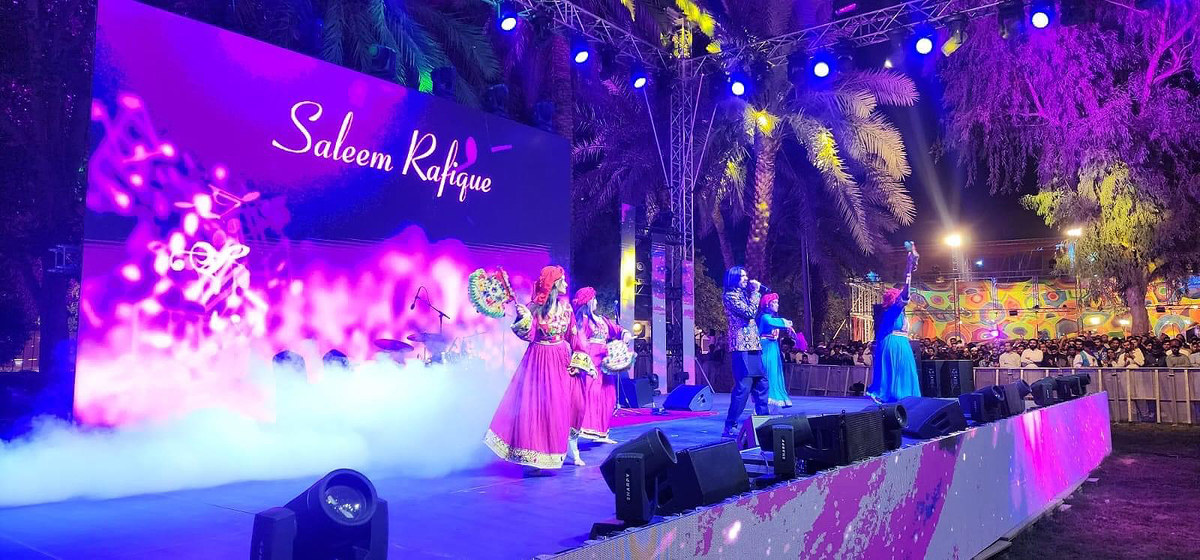
Pakistani female artist perform in their traditional dresses as they take part in the Pakistan Cultural Week at Riyadh Season in Riyadh, Saudi Arabia, on December 01, 2023. (Nosheen Wasim)
“We had a delightful presence of Saudis, including a talented Saudi singer performing in Urdu, as we actively work toward merging cultures, aligning with our vision 2030.”
The inspiration for the Pakistan Cultural Week stemmed from over 2.5 million Pakistanis residing in the Kingdom, according to Wasim. It created a joyful and immersive experience for attendees, giving Pakistani expatriates a sense of home.
“Pakistani diaspora in the Kingdom as well as Saudis thronged the venue to enjoy the events,” she said. “The festival has attracted more than 2.7 million visitors in less than 30 days and the Pakistan Cultural Week remained a center of attraction for all.”
Waqar Naseem Wamiq, a Pakistani expatriate working as a trade manager in Riyadh, said the overwhelming response from the community reflected their desire to witness their own cultural events abroad.
“The Pakistani community in the Kingdom always likes and welcomes their Pakistani performers and personalities to Saudi Arabia and enjoys their presence among them,” he told Arab News.
“It is a very good step by the Saudi government, under Crown Prince Mohammed bin Salman’s Vision 2030, to involve the expat community and to project international cultures.”
Wasim said Pakistan held enough significance as its workforce had actively contributed to the Kingdom’s development, in line with Vision 2030, a strategic development framework intended to cut the Kingdom’s reliance on oil and to develop public service sectors such as health, education, infrastructure, recreation and tourism.
“Focused on doubling the expat population, the collaborative effort across ministries and authorities aims to attract foreign countries, such as Pakistan, through cultural and entertainment initiatives, reinforcing the trajectory toward achieving the ambitious goal of 13 million expats by 2030,” she added.


