PESHAWAR: Cross-border trade between Pakistan and Afghanistan was back to normal Wednesday, officials in both countries said, after Islamabad suspended a new visa rule.
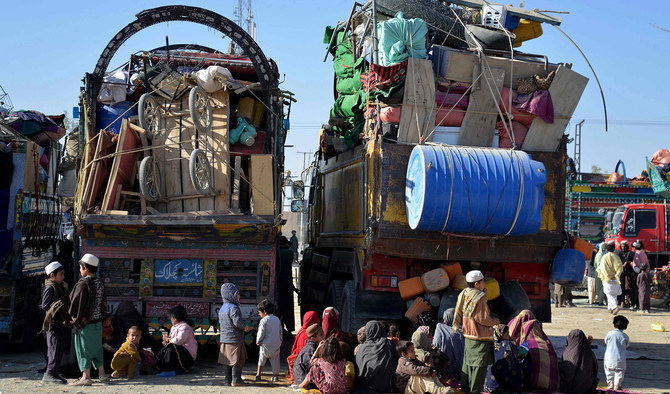
Commercial traffic ground to a halt Tuesday when Pakistan began requiring the crew of commercial vehicles to have passports and visas to enter, and Afghanistan responded by refusing to allow any trucks to pass.
“Yesterday, when Pakistan enforced its new rules, the Afghan side responded by suspending trade in protest,” a Pakistan customs official told AFP Wednesday.
“Last night, officials from the Ministry of Commerce held a meeting with Afghan officials, reaching an agreement to grant another two-week extension for Afghan drivers.”
The official said Pakistan had already twice deferred implementing the new rule.
The media office of the governor of Nangarhar province in Afghanistan confirmed that cross-border trade had resumed.
“Afghan and Pakistani officials held talks... and it was assured that this problem will be solved permanently,” it said in a post on X.
Long-fraught relations between Kabul and Islamabad have worsened since October, when Pakistan announced plans to deport hundreds of thousands of Afghan migrants it said were in the country illegally.
So far about 340,000 Afghans have been deported or returned voluntarily.
Pakistan has said only Afghans with passports and visas will be allowed to enter the country, ending a decades-old practice of allowing people to cross with only their national identity cards.
Landlocked Afghanistan is heavily dependent on its neighbor for imports — both locally made goods and foreign items sourced through Pakistan’s Karachi port.
But Pakistan, in the grip of a massive economic crisis, says it loses hundreds of millions of dollars each year allowing Afghan-bound goods to enter the country duty-free.
Some items never make it across the border, while others are smuggled back into Pakistan and sold illegally.
Islamabad says the mass deportation of illegal migrants is necessary to protect its “welfare and security” after a sharp rise in attacks that the government blames on militants operating from Afghanistan.
Afghanistan’s Taliban government insists it does not allow foreign militants to use its soil, and says Pakistan’s security issues are a domestic affair.


![]()

Afghan border trade resumes at Torkham after Pakistan suspends new visa rule
Short Url
https://arab.news/y5mek
Afghan border trade resumes at Torkham after Pakistan suspends new visa rule
- Pakistan said only Afghans with proper travel documents, instead of just national ID cards, could enter the country
- The trade resumed after officials from both countries met, granting two-week extension to Afghan drivers to sort documents
Latest updates


Recommended


© 2026 SAUDI RESEARCH & PUBLISHING COMPANY, All Rights Reserved And subject to Terms of Use Agreement.