

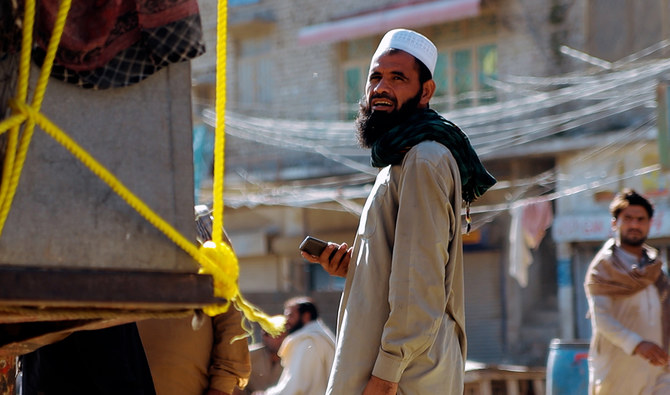

LANDI KOTAL: Imran, 22, who only gave his first name, was busy catering to a large number of customers crowded around his fruits and vegetables shop at a busy marketplace in Pakistan’s northwestern Landi Kotal town. Arguably the busiest shop in the market, Imran feared that in the days to come, that may not be the case anymore.
Landi Kotal is a small town in Pakistan’s northwestern Khyber Pakhtunkhwa (KP) province and is located at a distance of 20 kilometers from the main border crossing between Pakistan and Afghanistan at Torkham in Khyber. The town is home to a large population of Afghan nationals who operate shops and businesses in the busy Landi Kotal bazaar, and many of them are undocumented.
Pakistan remains one of the world’s largest refugee host countries and has experienced multiple influxes of Afghan refugees. These span the period from the Soviet invasion of Afghanistan in 1979 to the Taliban takeover in 2021, after which some 600,000 Afghan refugees fled to Pakistan, according to the UN Refugee Agency. Before the Taliban takeover of Kabul in August 2021, Pakistan was already hosting over 1.5 million Afghan refugees.
Pakistan, wary of rising militancy in the country that it blames on Afghan militants, handed illegal immigrants in the country an ultimatum earlier this month: leave by Nov. 1 or face deportation.
For many undocumented Afghan citizens in Landi Kotal, it’s time to pack up and head to Afghanistan, a country they have not known to be home in a long time.
“My family has been living here in Pakistan for over 40 years. We have our entire life’s income invested here, we have businesses here, and we have family ties with people here,” Imran, 22, told Arab News on Thursday.
“How can we leave this country now?“
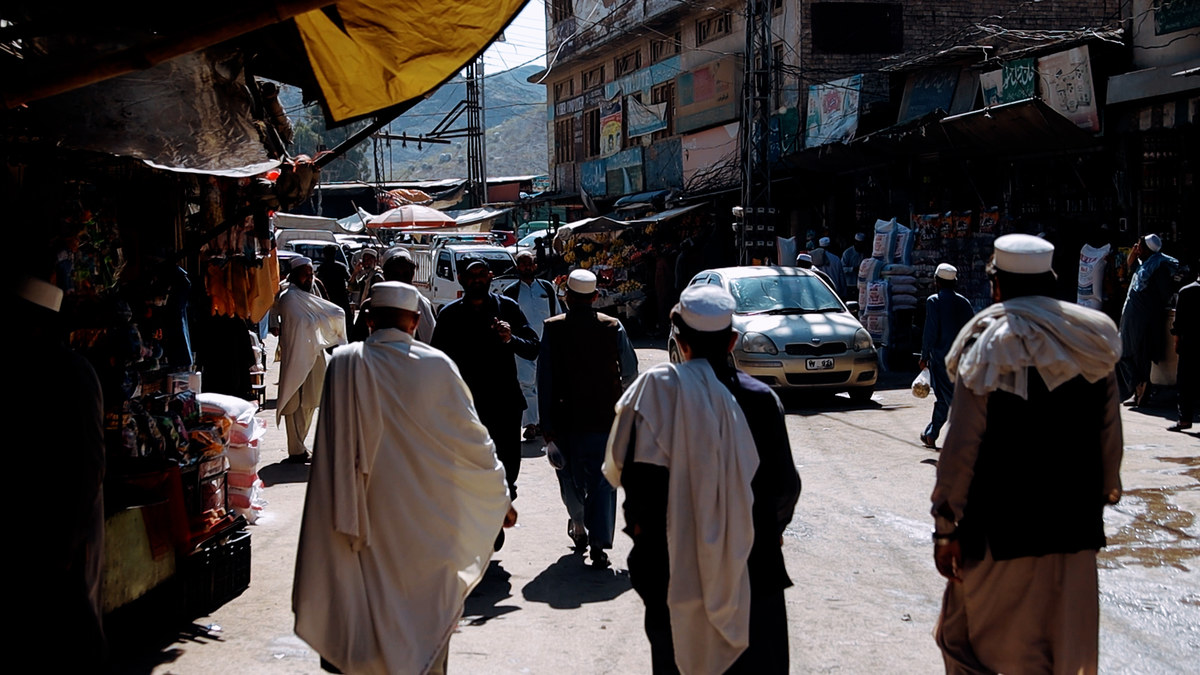
People walk past shops at the Landi Kotal bazaar, Pakistan and Afghanistan at Torkham in Khyber, Pakistan on October 19, 2023. (AN Photo)
Safiullah Shinwari, a 49-year-old shopkeeper, said he has been living in Pakistan for the past 38 years. He lamented that it was not possible for one to wrap their business within a month and head to another country altogether.
“If the Afghans go, they won’t be able to build a house for themselves there in years,” Shinwari told Arab News. “We are helpless now. We have built our lives here in the past 40 years, our livelihood is here.”
The prospect of heading to Afghanistan, where no shelter awaits him and his family, also weighs heavily on Imran’s mind.
“Building a house is not easy, what will we do there,” he asked.
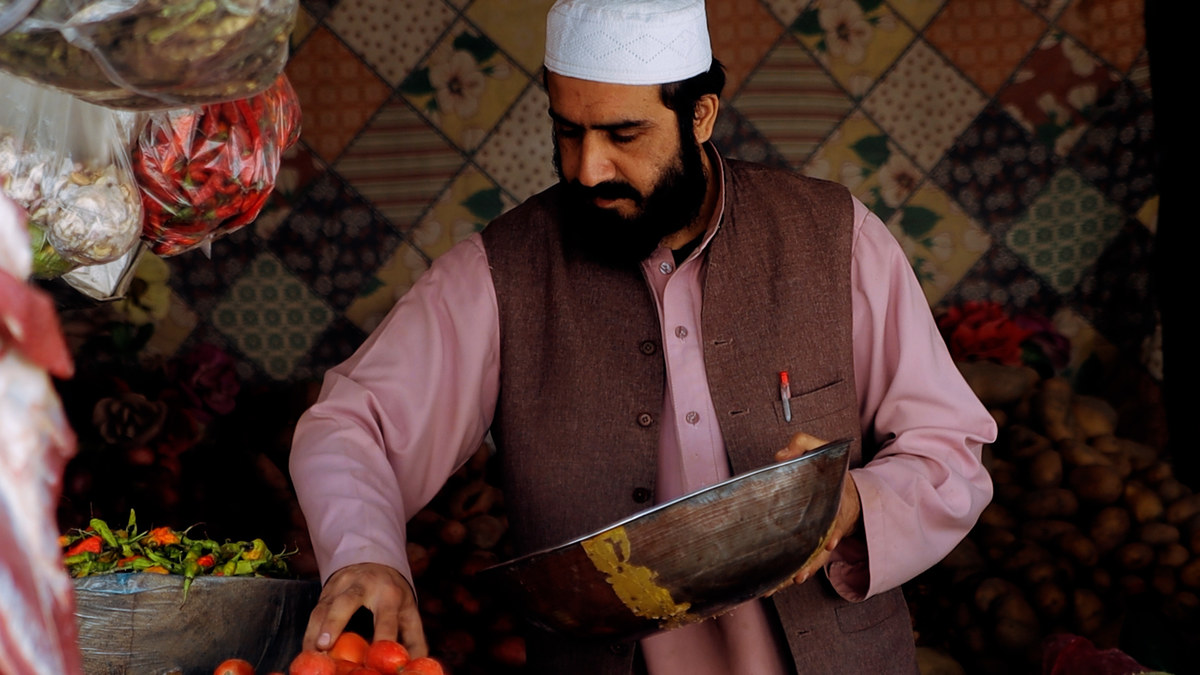
Imran, an Afghan refugee, arranges vegetables in a metal container at his fruits and vegetables shop at Torkham in Khyber, Pakistan on October 19, 2023. (AN Photo)
Afghan residents in Karachi and other parts of the country accuse Pakistani authorities of harassing Afghan nationals who possess PoR and Afghan Citizenship Cards (ACC).
Pakistan’s government and police have rejected the accusations and said only illegal immigrants in the country would be expelled after Nov. 1.
According to UN Refugee Agency spokesperson Qaiser Afridi, many Afghans who fled to Pakistan after the takeover of Kabul in 2021 are individuals whose lives and freedom could be at risk if they return to Afghanistan.
“We are requesting the government to register these people and we are also willing to provide any financial and technical support required in this regard,” Afridi told Arab News.
Dilawar Khan, 43, said his bakery shop in Landi Kotal bazaar is worth Rs2.5-3 million ($7,260-10,891). He said 80 percent of the businesses in the market were owned by Afghan nationals, adding that driving them out would inflict economic losses on local businesses in the area.
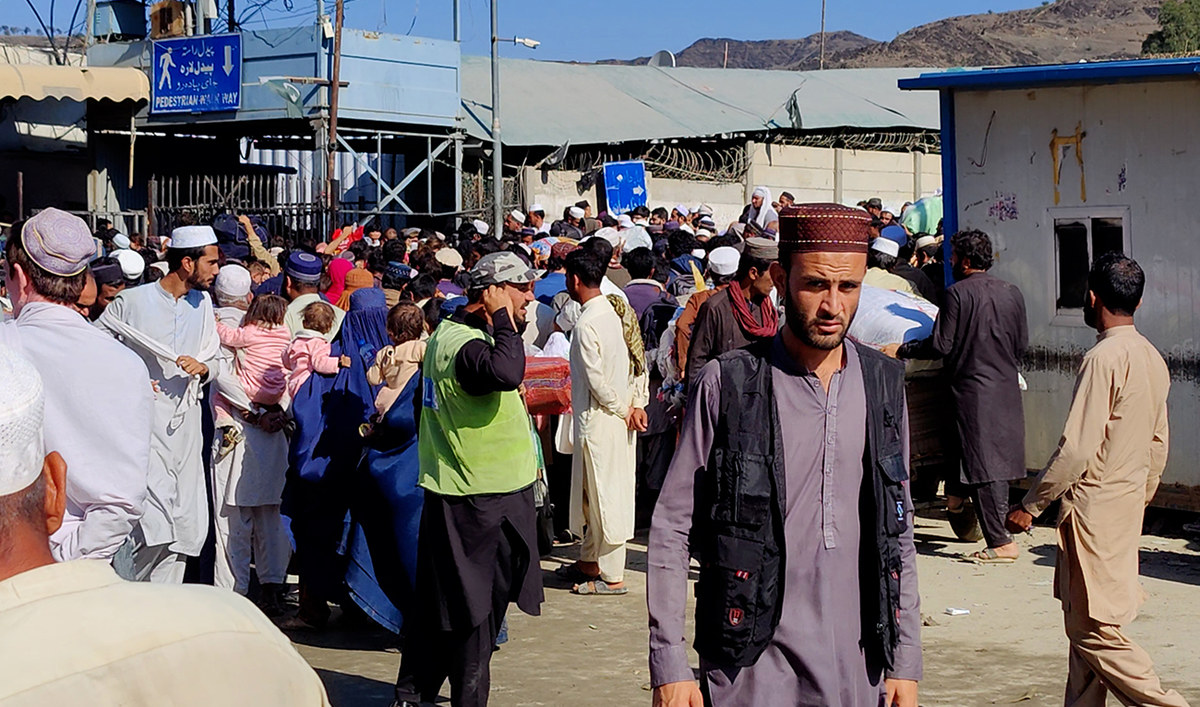
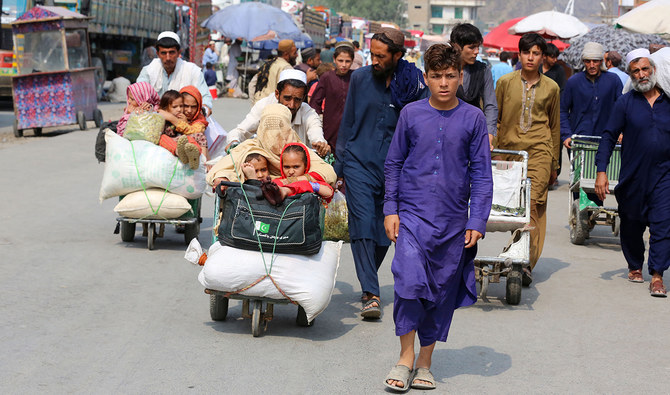
Afghan refugees awaiting their turn to cross into Afghanistan at the Pakistan-Afghanistan border in Torkham, Pakistan on October 19, 2023. (AN Photo)
Khan worried for his four kids, including two daughters, who are enrolled in Pakistani schools.
“They are getting an education here, but all of it will go to waste if we are made to leave,” Khan told Arab News, referring to the Taliban government’s restrictions on education for Afghan girls.
Shahid Khan, a 22-year-old Afghan who owns a grocery store, appealed to the government to grant him Pakistani citizenship.
“I was born here, I have spent my whole life here,” he told Arab News. “We are living as immigrants here, and if we go back, we will still be immigrants there [in Afghanistan].”


