


WASHINGTON: The Biden administration on Wednesday broadly eased sanctions on Venezuela’s oil sector in response to a deal reached between the government and opposition parties for the 2024 election — the most extensive rollback of Trump-era restrictions on Caracas.
A new general license issued by the US Treasury Department authorized OPEC member Venezuela, which had been under crushing sanctions since 2019, to produce and export oil to its chosen markets for the next six months without limitation.
US Secretary of State Antony Blinken welcomed President Nicolas Maduro’s electoral concessions but said Washington has given him until the end of November to begin lifting bans on opposition presidential candidates and start releasing political prisoners and “wrongfully detained” Americans.
A senior State Department official, speaking to Reuters on condition of anonymity, threatened to reverse sanctions relief measures unless Maduro takes such action.
The US moves follow months of negotiations in which Washington had pressed Caracas for concrete actions toward democratic elections in return for lifting some — but not all — of the tough sanctions imposed under former US President Donald Trump.
It also represents a significant step in increased engagement of President Joe Biden’s administration with Maduro on issues ranging from energy to migration, a shift from Trump’s “maximum pressure” campaign against the socialist government.
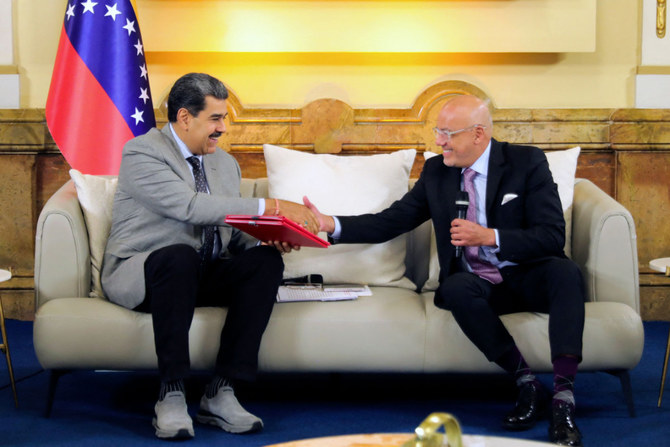
Venezuela ruling party official Jorge Rodriguez, who leads the government’s negotiating team at talks with the opposition, said on state television later on Wednesday that the sanctions relief affected all oil activities.
“The possibility of any person or company coming to Venezuela to invest is totally open,” he said.
Maduro’s government and the opposition reached an agreement in Barbados on Tuesday on electoral guarantees for an internationally monitored vote to be held in the second half of 2024. But the deal stopped short of Maduro agreeing to reinstate opposition candidates who had been barred from public office.
Blinken said in a statement that the US was acting “consistent with our longstanding commitment to provide US sanctions relief in response to concrete steps toward competitive elections and respect for human rights and fundamental freedoms.”
Wednesday’s announcements alleviated some of the toughest sanctions that Venezuela has faced but it left in place a number of other restrictions. Further easing will depend on whether Maduro takes additional meaningful steps toward free and fair elections, a US official said.
Even so, the latest US measures could reopen Venezuela’s doors to dozens of oil companies with frozen or reduced operations in Venezuela.
The US imposed harsh sanctions on Venezuela to punish Maduro’s government following his 2018 re-election, which the US and other Western governments rejected as a sham. Since 2019, US sanctions have banned state-run oil company PDVSA from exporting to its chosen markets.
Troubled oil sector
The changes announced on Wednesday include the issuance of a six-month general license allowing the production, sale and export of Venezuela’s crude oil and gas, without limitations on customers or destinations, and another general license authorizing dealings with Minerven – the Venezuelan state-owned gold mining company.
Venezuela will also be authorized to restart long-frozen business with Caribbean nations, US officials said.
The US Treasury Department said in a statement, however, that it was prepared to revoke those authorizations at any time if representatives of Maduro fail to follow through on their commitments in the deal with the opposition.
Treasury also removed the secondary trading ban on certain Venezuelan sovereign bonds and PDVSA’s debt and equity, though a ban on trading in the primary Venezuelan bond market remains in place, it said.
The US has been seeking ways to boost global flows of oil to alleviate high prices caused by sanctions on Russia over its war in Ukraine, OPEC+ decisions to reduce output and, more recently, Middle East instability caused by the Israel-Hamas conflict.
But the chances that Venezuela’s exports could offset those cuts are slim absent a big increase in investment in the country’s crippled oil sector, oil industry experts said. Venezuela could quickly reshuffle oil flows to recover cash-paying customers, but any impact on global oil prices is expected to be only temporary, the experts said.
Talks between the government and the opposition, meant to provide a way out of Venezuela’s long-running political and economic crisis, were held on Tuesday for the first time in nearly a year. They agreed to further meetings at an unspecified date.
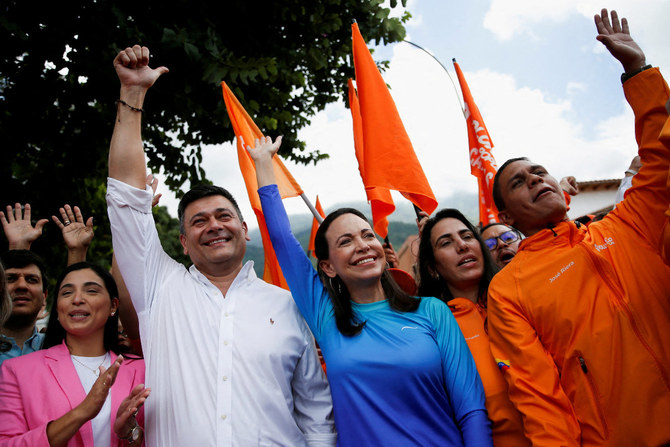
The deal they announced said each side can choose its 2024 candidate according to its internal rules. But it does not reverse bans on some opposition figures — including Maria Corina Machado, the frontrunner in the Oct. 22 primary being held by opposition parties — that prevent them from holding office.
Opposition sources said they have not given up on trying to get those bans lifted.
US officials also said they were pushing harder for the release of Venezuelan political prisoners, something the opposition had also sought in talks with Maduro’s representatives, and jailed Americans.
Foro Penal, a Venezuelan legal non-governmental organization, says 288 people have been imprisoned for political reasons. More than half a dozen Americans are also believed to be detained, several of them designated by the State Department as wrongfully held.


