ABUJA: Nigerian President Bola Ahmed Tinubu’s government on Sunday proposed a temporary wage hike for federal workers and more cheap gas-powered public transport among other measures to offset the impact of his economic reforms and convince labor unions to call off a planned national strike.
Speaking in a broadcast to mark Nigeria’s 63rd independence day anniversary, Tinubu’s announcement came after he ended a longstanding fuel subsidy that cost the government billions of dollars a year to keep fuel cheap and also his liberalization of the naira currency.
Government officials say the reforms were needed to revive Africa’s largest economy and investors applauded them, but Nigerians are struggling with a tripling of fuel prices, a sharp naira devaluation and inflation now at 25 percent.
“There is no joy in seeing the people of this nation shoulder burdens that should have been shed years ago,” Tinubu said.
“I wish today’s difficulties did not exist. But we must endure if we are to reach the good side of our future.”
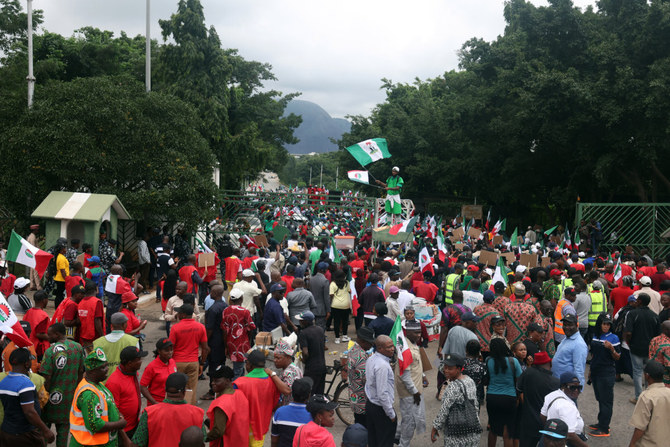
The Nigeria Labour Congress (NLC) and the Trade Union Congress (TUC) — the two major unions representing industries from aviation workers and nurses to teachers and bankers — had called an indefinite strike for October 3 because they say the government failed to address their concerns.
In his broadcast, Tinubu said the federal minimum wage for the lower-grade public employees would increase by 25,000 naira a month ($32) for the next six months.
Later Sunday, government officials and labor unions met for negotiations, and the government said the temporary wage increase would now apply to “all treasury-paid federal government workers for six months,” according a presidency statement.
The temporary wage hike was among other offers, it said.
“NLC and TUC will consider the offers by the Federal Government with a view to suspending the planned strike to allow for further consultations,” the statement said.
NLC chief Joe Ajaero told reporters the union would take the government offers to its membership for consultations.
“We’re hopeful that (membership) will have a look at them and give us a fresh mandate,” he said.
Tinubu said the government was also preparing to speed up the introduction of gas-powered buses for public transport, which would lower the costs of transport — one of the main complaints for Nigerians since the fuel subsidy removal.
Social security cash transfers to the poorest Nigerians would also be extended and investments made available for small businesses, he said.
Tinubu — a former Lagos governor elected in February in a highly contested ballot — has promised to bring in more investment and tackle the country’s complex security challenges, from jihadists to bandit militias carrying out mass kidnappings.
The Nigerian leader has also sought to shake up the country’s central bank, whose previous director critics say was responsible for unorthodox monetary policies that kept investors away.
The former central bank director has been replaced and arrested.
The fuel subsidy had been in place for decades and kept petrol prices artificially low in what was seen by many Nigerians as a benefit from their government.
But the measure cost the government billions annually because although Nigeria is a major oil producer, it imports most of its fuel because of a lack of functioning refineries.
The NLC and TUC went on strike in August over the same issues, with many businesses, government offices, markets, banks closed for a day in the capital Abuja. But the call to strike met with more mixed response from businesses in the economic capital Lagos.


![]()

Nigeria offers measures to offset rising costs as unions mull strike
Short Url
https://arab.news/j5qh6
Nigeria offers measures to offset rising costs as unions mull strike
- The fuel subsidy had been in place for decades and kept petrol prices artificially low in what was seen by many Nigerians as a benefit from their government


Latest updates




© 2026 SAUDI RESEARCH & PUBLISHING COMPANY, All Rights Reserved And subject to Terms of Use Agreement.