
KARACHI: Pakistani digital health service provider EDUCAST will launch ‘first of its kind’ mobile telemedicine operations in Sudan within a month to offer medical support and assist local health care providers, the CEO of the company said this week.
Karachi-based EDUCAST, a digital health services and online medical education providing platform, signed an agreement in July with the Building Foundation for Development (BFD), a humanitarian organization headquartered in Yemen to work together in Sudan. The Science and Technology Innovation Department of the Jeddah-based Islamic Development Bank is supporting the project.
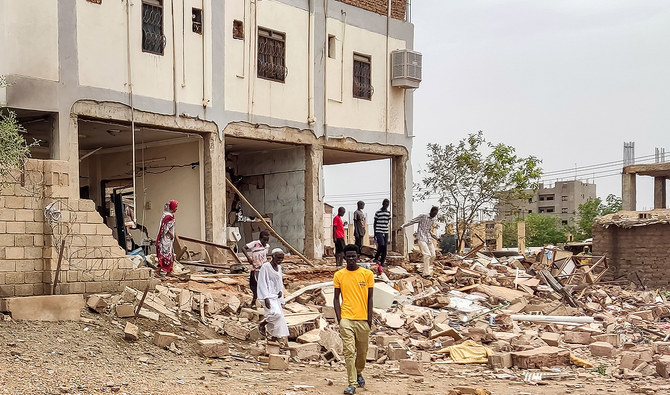
More than five months into a conflict between Sudan’s army and paramilitary group, Rapid Support Forces, the country’s health care sector is on its knees due to direct attacks from the warring parties as well as shortages of staff and medicines, they said. A World Health Organization (WHO) official said this week there have been 56 verified attacks so far on health care in Sudan since the war began in April and about 70 percent to 80 percent of hospitals in conflict states are now out of service.
“We have completed our initial work, including testing of equipment, identification of the operational sites in Sudan and will hopefully be in a position to launch operations within the next four weeks,” EDUCAST founder and CEO Abdullah Butt told Arab News on Thursday.
“Right now, about 80 percent of health facilities have been destroyed in Sudan due to the war and the country is in dire need of medical facilities,” he added, saying his organization was approached by Sudanese authorities and its humanitarian commission seeking telemedicine services.
“This will be the first of its kind telehealth service to be provided by any Pakistani company in an active war region,” Butt said.
Under the agreement between EDUCAST and BFD, a network of mobile telehealth units will be set up in Sudan to provide universal coverage and access to safe and effective mother and child health and other emergency related services.
The telehealth education and clinical support facilities will be provided at five medical teaching hospitals in Sudan.
The project seeks to develop the medical capacity of up to 1,000 Sudanese doctors by delivering online training and certification programs. It will also facilitate them with in-person training courses at Pakistan’s teaching hospitals in key health areas, including maternal and neonatal child health, infectious and non-communicable diseases.
Through its eDoctor program, EDUCAST will support local medical practitioners through its network of over 1,200 eDoctors, with presence in Pakistan, Saudi Arabia, Oman, Qatar and the United Arab Emirates.
The project will focus on areas of Sudan devastated by war and where there is a large number of internally displaced persons and insufficient health capacity, Butt said.
Meer Behrose Regi, Pakistan’s envoy to Sudan, called for increased humanitarian efforts in Sudan.
“Everything is needed over there,” he told Arab News, “but the risk of security remains substantially high, though many companies are still operating there.”