

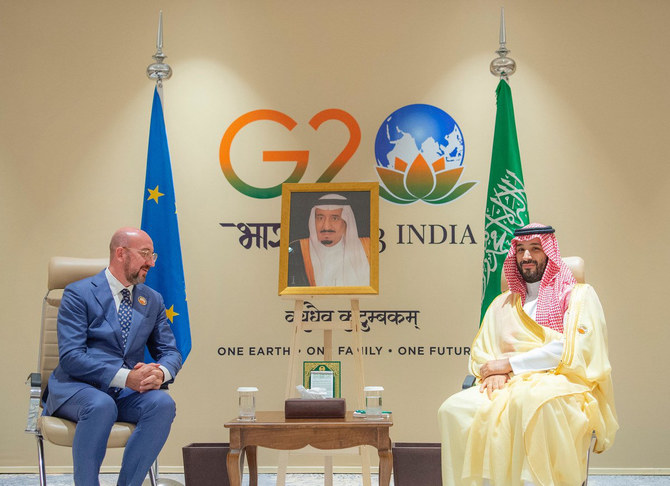
Crown Prince Mohammed bin Salman holds bilateral talks with world leaders on the sidelines of G20 summit in New Delhi

1 / 5
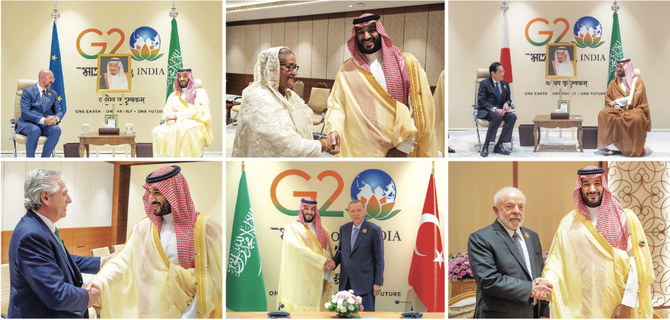
Saudi Crown Prince Mohammed bin Salman held bilateral meetings with a number of world leaders on the second day of the G20 summit in New Delhi on September 10, 2024. (SPA/Twitter photos)
2 / 5
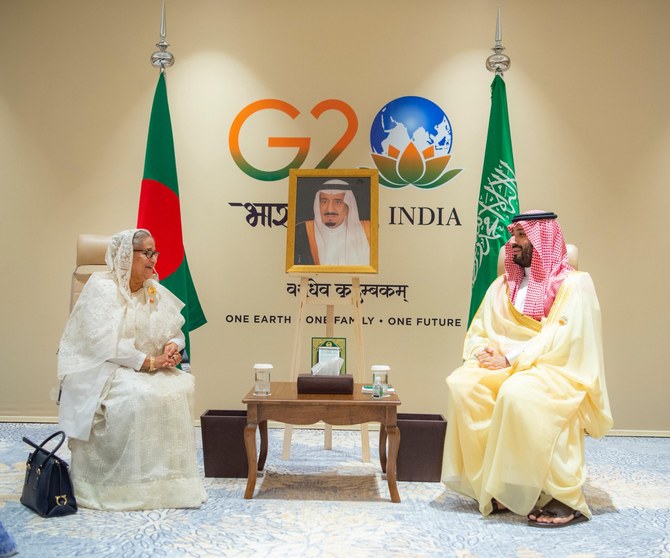
Prime Minister of Bangladesh, Sheikh Hasina, with Saudi Crown Prince Mohammed bin Salman. (SPA)
3 / 5
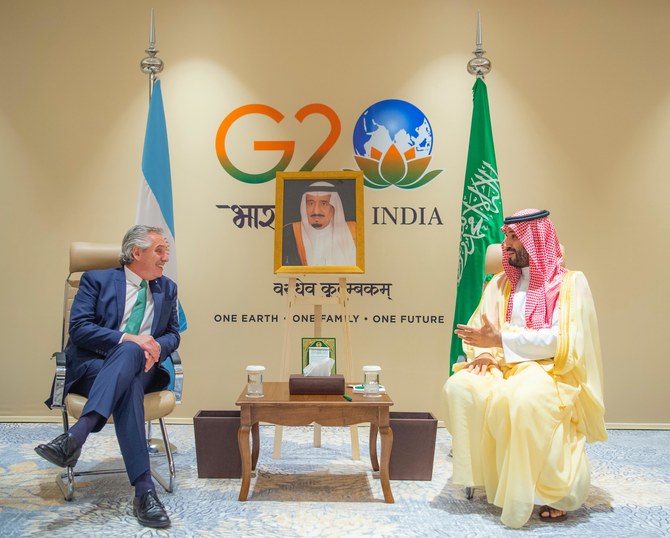
President of Argentine Alberto Fernández with Saudi Crown Prince Mohammed bin Salman. (SPA)
4 / 5
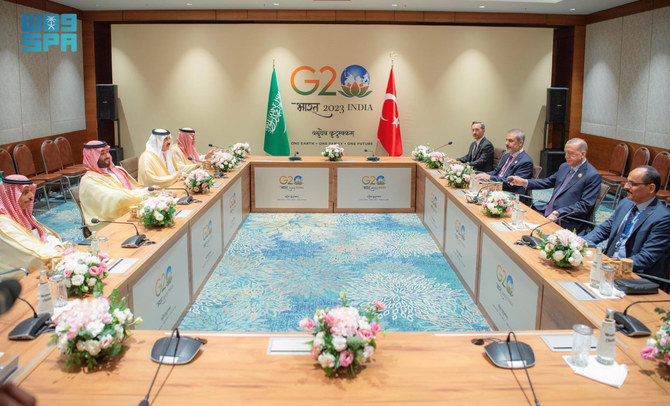
Crown Prince Mohammed bin Salman held bilateral meetings in New Delhi with a number of world leaders, including Turkish President Recep Tayyip Erdogan. (SPA)
5 / 5
Crown Prince Mohammed bin Salman held bilateral meetings in New Delhi with a number of world leaders, including president of the European Council, Charles Michel. (SPA)
Short Url
Updated 11 September 2023
Follow

Crown Prince Mohammed bin Salman holds bilateral talks with world leaders on the sidelines of G20 summit in New Delhi

  • Crown Prince Mohammed bin Salman led the Saudi G20 delegation as part of an official state visit to India
  • Investments and diplomatic ties featured in fruitful dialogue with Asian, European and Latin American leaders

NEW DELHI: On the sidelines of the G20 leaders’ summit in the Indian capital New Delhi, which drew to a close on Sunday, Saudi Arabia’s Crown Prince Mohammed bin Salman held bilateral talks with several world leaders and their representatives.

The crown prince was in the city to lead the Kingdom’s delegation at the summit before embarking on an official state visit at the invitation of India’s Prime Minister Narendra Modi, which will take in trade talks and a business forum.

The crown prince met Japan’s Prime Minister Kishida Fumio on Saturday, the parties discussing developments in Saudi-Japanese relations. The nations have enjoyed long-standing cooperation on energy, including hydrogen power.
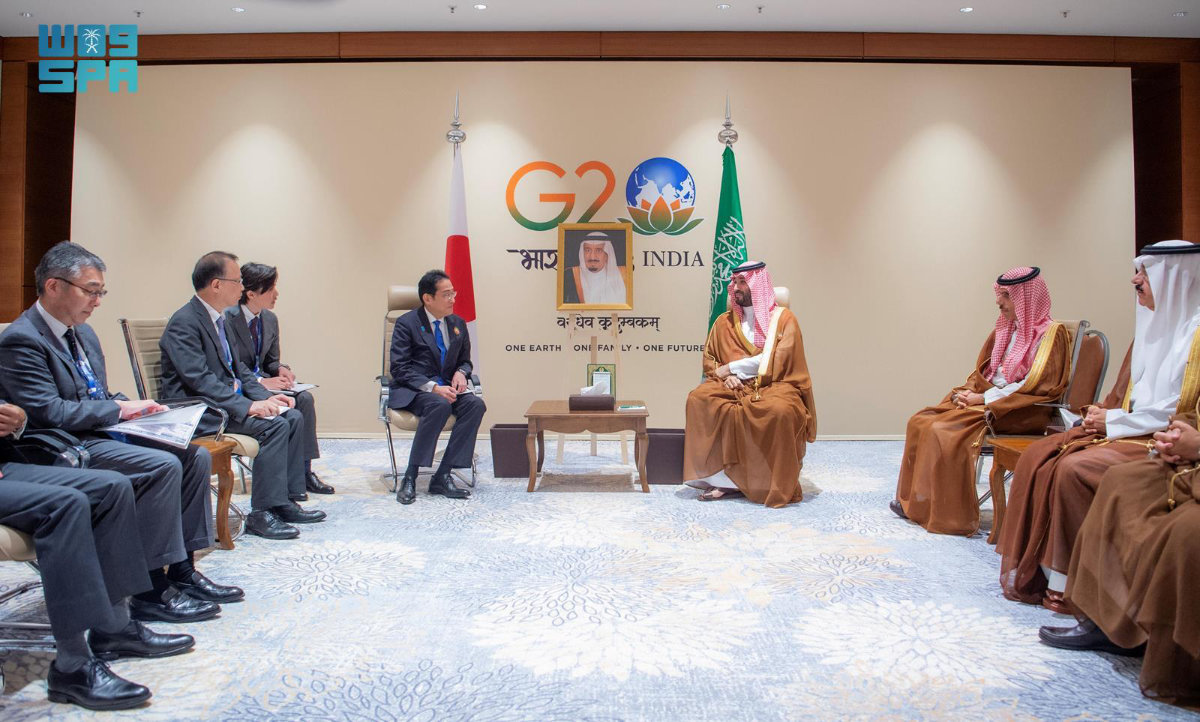


Crown Prince Mohammed bin Salman held bilateral meetings in New Delhi with a number of world leaders, including Japanese PM Kishida Fumio. (SPA)

High-ranking officials from both governments attended the talks, including the Kingdom’s Foreign Minister Prince Faisal bin Farhan; National Security Adviser Dr. Musaed Al-Aiban; Minister of Commerce Dr. Majid Al-Qasabi; Minister of Investment Khalid Al-Falih; and Minister of Finance Mohammed Al-Jadaan.

The crown prince held talks with Sheikh Hasina, the prime minister of Bangladesh, on Sunday morning, during which he reiterated the Kingdom’s commitment to bolstering relations with the South Asian nation, according to the Saudi Press Agency.


The crown prince told of his satisfaction with Saudi Arabia’s many investments in Bangladesh, including the Patenga Container Terminal, the Port of Payra, and ACWA Power’s solar projects across the country. Hasina formally invited the crown prince to visit Bangladesh.

Latin American leaders also sat down with the crown prince on Sunday, including Argentina’s President Alberto Fernandez, and Brazil’s President Luiz Inacio Lula da Silva.
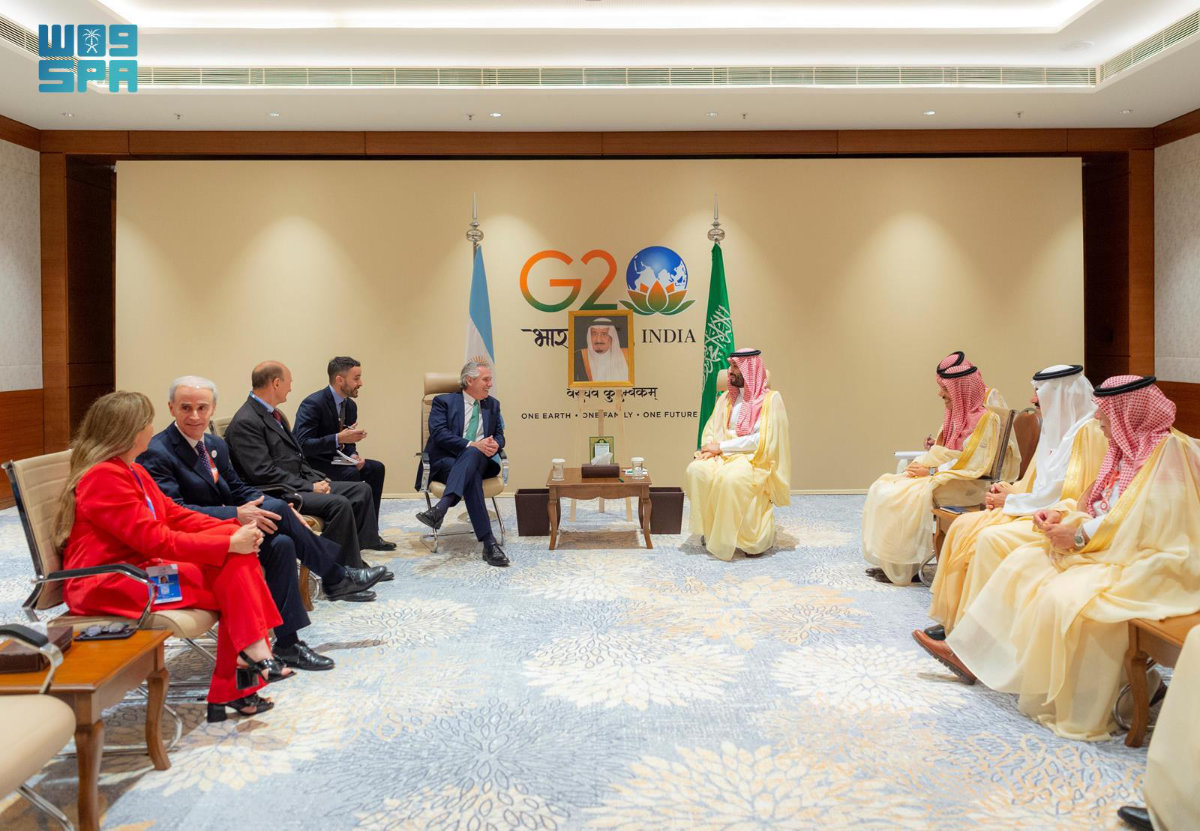


Crown Prince Mohammed bin Salman held bilateral meetings in New Delhi with a number of world leaders, including Argentina’s President Alberto Fernandez. (SPA)

The crown prince also held talks with Charles Michel, president of the European Council.

Throughout India’s presidency of the G20, Saudi Arabia’s delegations have proactively participated in various meetings covering a wide range of topics, from energy and finance to culture, youth, and women’s empowerment.
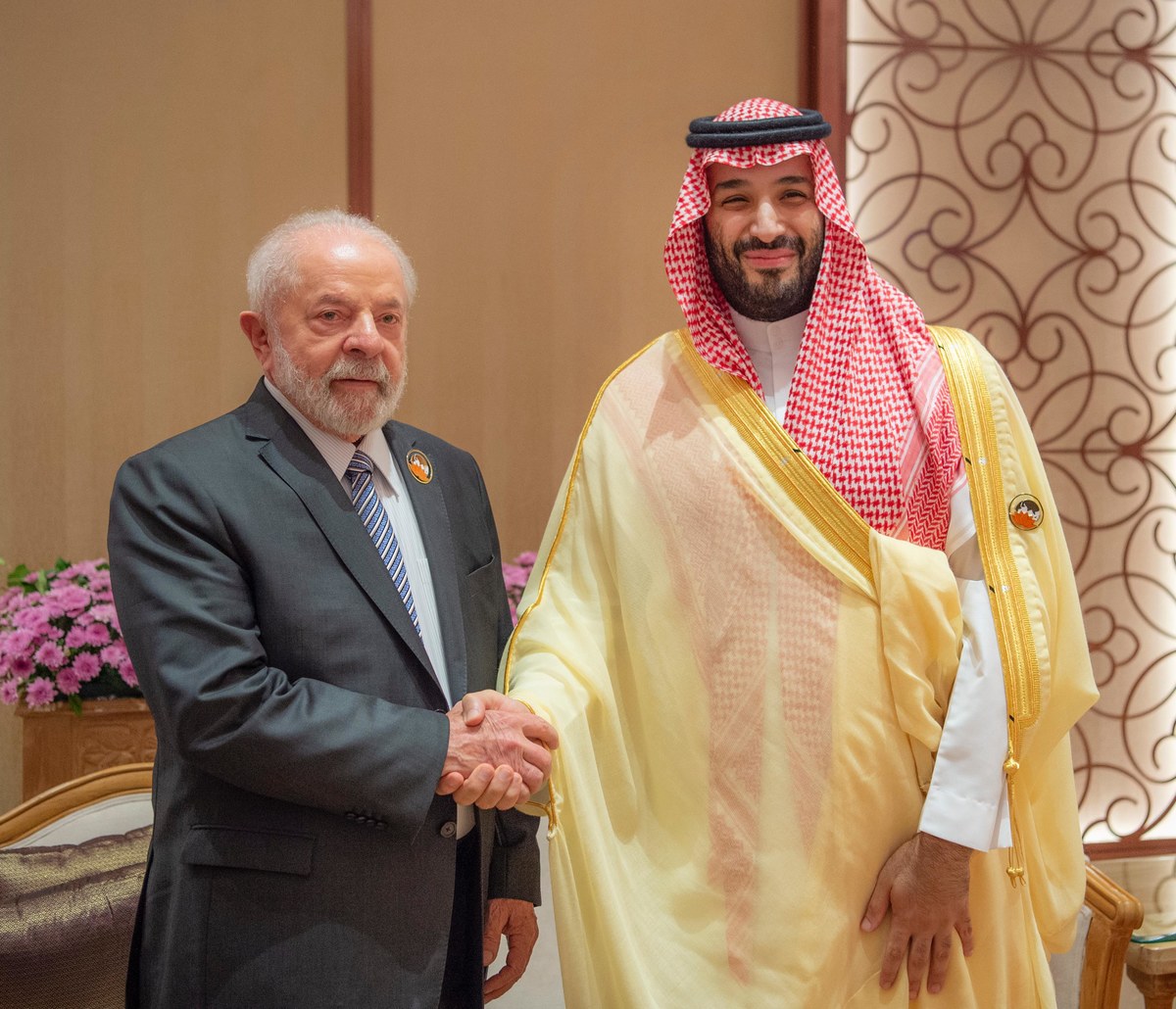


Crown Prince Mohammed bin Salman held bilateral meetings in New Delhi with a number of world leaders, including Brazil’s President Luiz Inacio Lula da Silva. (SPA)

India concluded its G20 presidency on Sunday after hosting the leaders and representatives of the 19 permanent members alongside those of nine guest nations and three regional organizations. Brazil is now poised to assume the G20 presidency for 2024.

Upon accepting the ceremonial gavel, Brazil’s President Lula said on Sunday his country’s presidency would prioritize social inclusion and the fight against hunger, along with energy transition, sustainable development, and the reform of global governance institutions.


Economic growth and resilience at heart of 2nd AlUla Emerging Market Economies Conference

Updated 03 February 2026
Follow

Economic growth and resilience at heart of 2nd AlUla Emerging Market Economies Conference

  • Event on Feb. 8 and 9 will bring together ministers, governors of central banks, policymakers, economic experts and international financial institutions
  • Emerging-market economies a ‘pivotal element’ in global economic system due to effect they have on growth and stability, says Saudi Finance Minister Mohammed Al-Jadaan

RIYADH: The second annual AlUla Conference for Emerging Market Economies, which Saudi Arabia will host next week, offers a platform to exchange views on global developments and discuss policies and reforms that support inclusive growth and strengthen economic resilience, the Kingdom’s finance minister said.

The event on Feb. 8 and 9 will bring together finance ministers, governors of central banks and policymakers, alongside economic experts and representatives of international financial institutions.

Organized by the Saudi Ministry of Finance in partnership with the International Monetary Fund, it takes place as emerging-market economies face mounting challenges amid rapid global economic change.

Finance Minister Mohammed Al-Jadaan said the decision to host the conference reflects Saudi Arabia’s ongoing commitment to efforts that support global financial and economic stability, and highlights the growing influence of emerging economies on worldwide growth.

Emerging-market economies represent a “pivotal element” in the global economic system due to the direct impact they have on economic growth and stability, he added.

“The AlUla Conference for Emerging Market Economies provides a unique platform for exchanging views on global economic developments, and discussing policies and reforms that will support inclusive growth and enhance economic resilience, in light of broader international cooperation that contributes to confronting common challenges,” Al-Jadaan said.

Kristalina Georgieva, managing director of the IMF, said the event would help emerging economies deal with growing uncertainty driven by technological change, demographic shifts and geopolitical tensions.

“The AlUla conference provides a vital platform for emerging economies to discuss how they can navigate the risks and embrace the opportunities ahead,” she said.

“In these times of sweeping transformations in the global economy, policymakers face a more challenging and uncertain environment. Countries should work together to strengthen resilience through sound macroeconomic and financial policies.”