


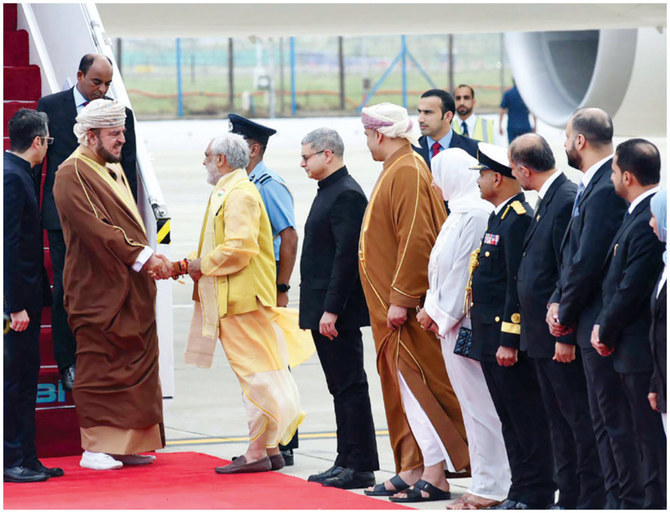
RIYADH/WARSAW: As India welcomed world leaders in New Delhi on Friday, it set a precedent in G20 history by inviting the most Middle Eastern countries ever to take part as guests in the group’s key summit.
The Group of 20 largest economies, as a forum, has been important for the Middle East since its inception in 1999, especially as Saudi Arabia and Turkiye are among its members.
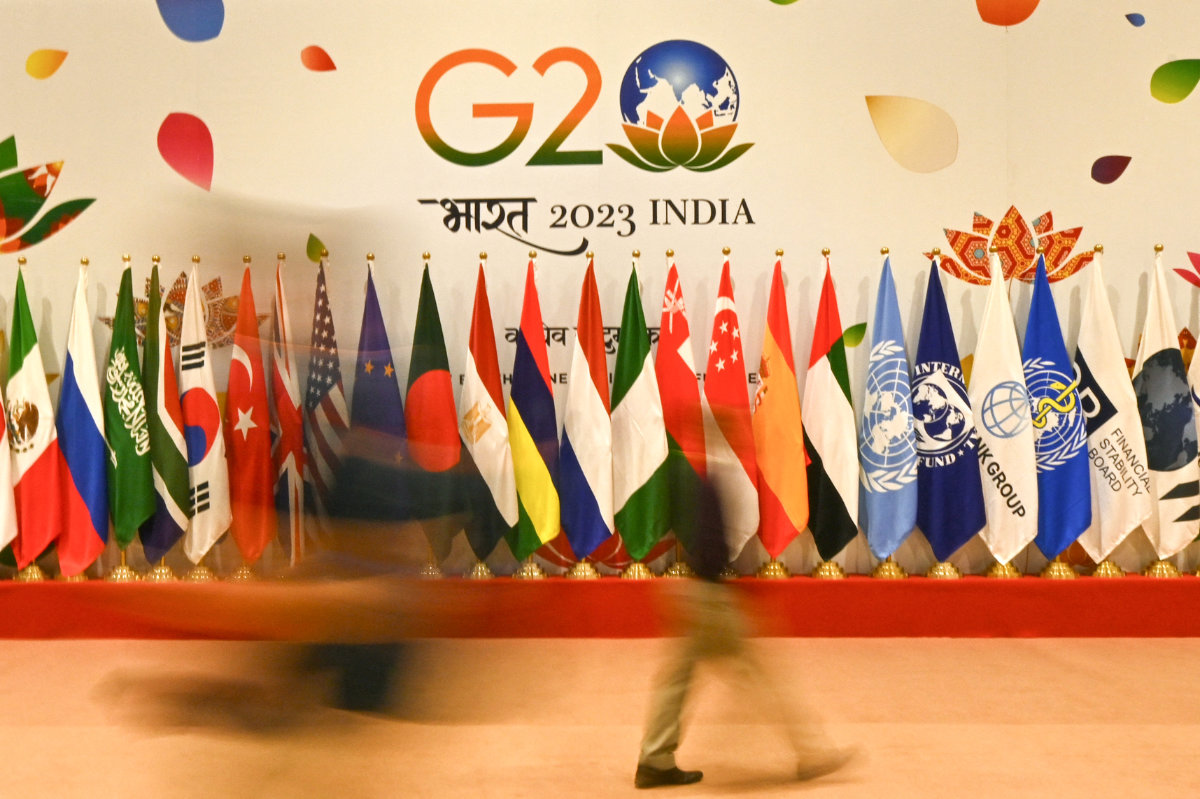
A man walks past an illuminated hoarding of the G20 India summit logo along a roadside in New Delhi on September 6, 2023, ahead of its commencement. (AFP)
However, it was only in 2008, when the group began to organize its annual leaders’ summit, that non-member countries from the Middle East became involved.
Host nations, and those holding the group’s rotating presidency, can invite non-member countries to their ministerial, sherpa and working meetings, as well as the leaders’ summit.
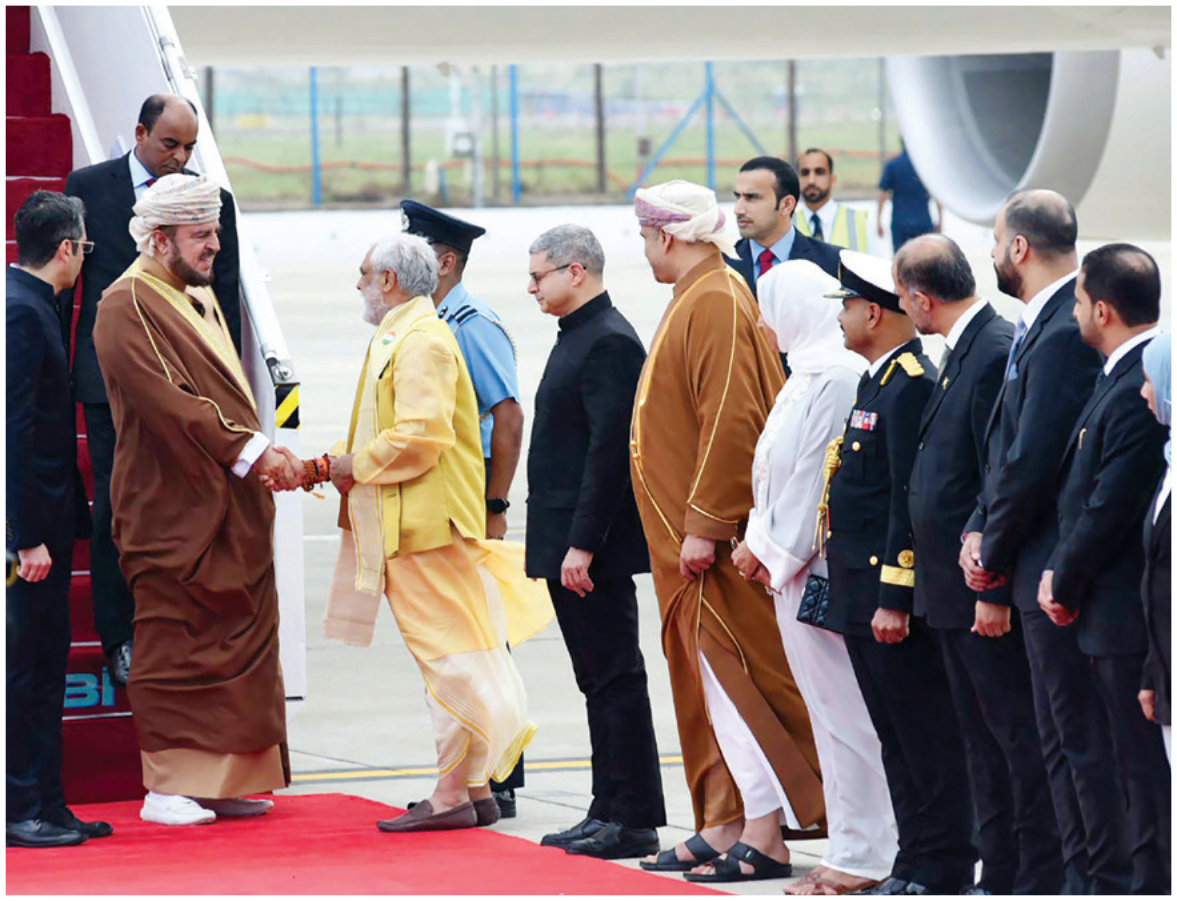
Oman’s Deputy Prime Minister Sayyid Asaad is welcomed by Indian officials upon arrival at Palam Air Force Airport in New Delhi for the G20 leaders’ summit. (Indian Ministry of External Affairs handout via EPA)
The invitations aim to strengthen the legitimacy of the G20 and promote global outreach. While there are permanent invitees such as Spain, other non-members usually differ from year to year.
This time around, under India’s presidency, non-member Arab countries have enjoyed greater representation than ever, with three of them joining ministerial, sherpa and working group meetings since the beginning of the year.
They will also be part of the leaders’ summit on Saturday and Sunday.
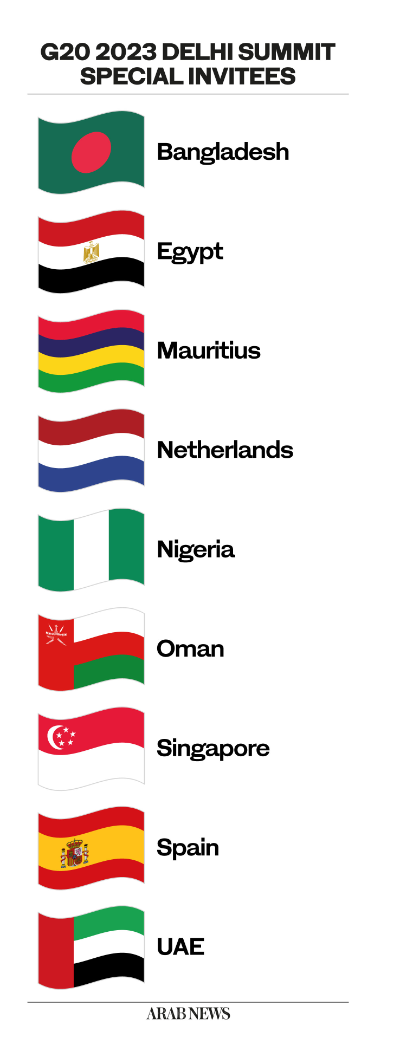
India has extended invitations to nine non-member countries, including Egypt, Oman and the UAE.
 “The UAE, Oman and Egypt are, alongside Saudi Arabia, India’s closest economic and defense partners in the Middle East, so it’s unsurprising that New Delhi chose to invite them to attend the G20 summit among a handful of other nations,” Dr. Hasan T. Alhasan, a research fellow for Middle East policy at the International Institute for Strategic Studies, told Arab News.
“India is using its hosting of the G20 to showcase its global influence to its Middle Eastern partners, and to demonstrate the breadth of its partnerships to other G20 member states.”
India’s ties with the Middle East are particularly strong with Saudi Arabia, but Delhi’s decision to engage its three other major Middle Eastern partners shows how important it deems the relationship, and not only to India’s foreign policy.
Relations, especially with Gulf Cooperation Council countries, have been a priority for Prime Minister Narendra Modi’s administration for the past nine years.
“Since Modi assumed office in 2014, India has expanded its security and defense cooperation in the Gulf with Saudi Arabia, the UAE and Oman. It holds increasingly regular military exercises and high-level defense consultations with its three Gulf partners,” Alhasan said.
This cooperation extends to energy security. India is the GCC’s third-largest oil market and sources about a third of its oil from the six states of the bloc. At the same time, half of its liquefied natural gas comes from Qatar, the UAE and Oman.
“Since India is expected to account for a large share of growth in global oil demand by 2045, GCC oil exporters are keen to secure a long-term share of the Indian oil market,” Alhasan said.
“Similarly, India has cemented its political relations with GCC oil and gas exporters to hedge against geopolitical shocks and ensure a stable supply of energy.”
India has vital interests in the Middle East. While its foreign policy focus on the region has been evident under Modi’s rule, it started some three decades ago, reflected in the number of Indian nationals moving to live and work in Gulf countries.
Currently, about 9 million Indians live in Saudi Arabia, the UAE, Kuwait, Qatar, Oman and Bahrain.
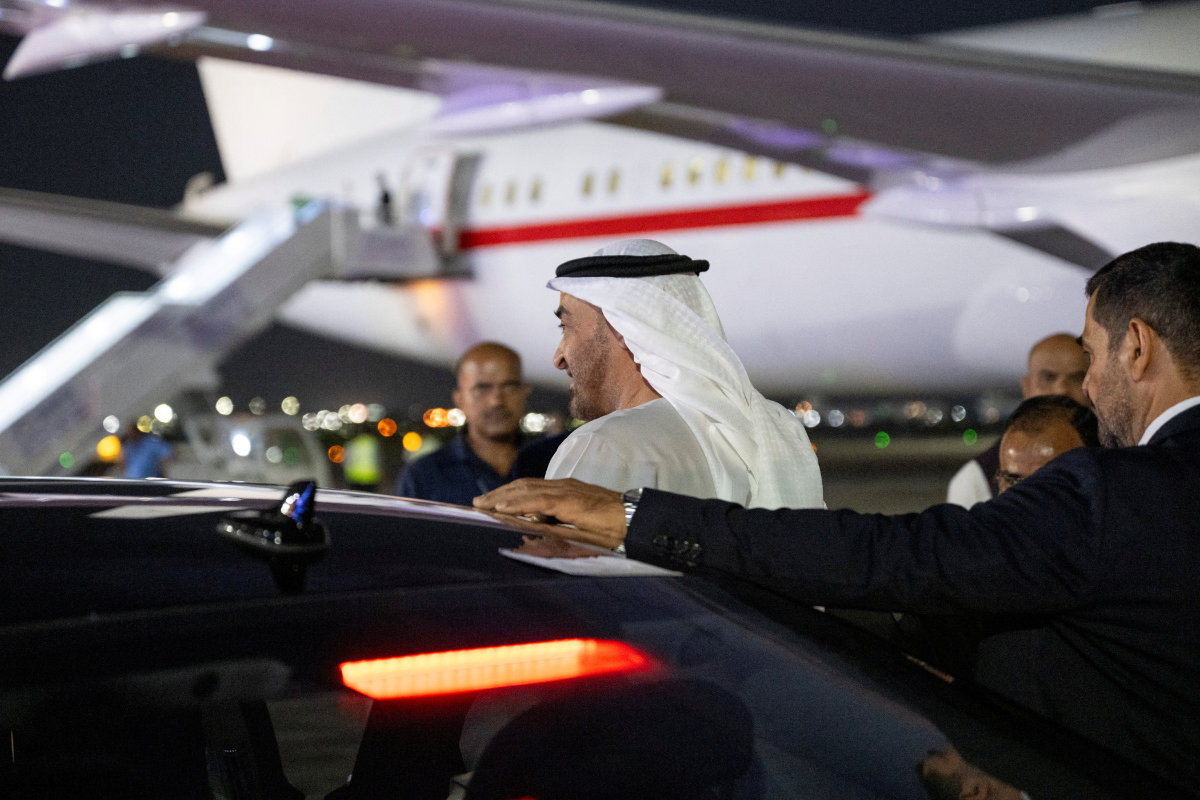
Sheikh Mohamed bin Zayed Al Nahyan, president of the United Arab Emirates, arrives to participate in the G20 summit in New Delhi, India, on September 8, 2023. (UAE Presidential Court/Handout via REUTERS)
For Dr. Krzysztof Iwanek, head of the Asia Research Center at War Studies University in Warsaw, Poland, the “massive Indian workforce” is, besides energy one of the pillars of India’s cooperation with Arab states.
“There is scope for even greater cooperation in other areas such as food security, attracting more investment from the Gulf countries to India. Thus, Indian foreign policy over the past decades was rather effective in engaging and not antagonizing Middle Eastern Muslim countries,” he said.
“For instance, India declined to take part in the American attack on Iraq (in 2003), knowing this would have been seen unfavorably by many Arab states.”
There is also a sense of competition with India’s regional rival, China, as relations between Delhi and Beijing have been increasingly tense, not only over their border dispute, which has recently seen an outbreak of violence, but also in attempts to position themselves as superpowers.
The G20 platform has given India an opportunity to significantly increase its Middle Eastern engagements vis-a-vis China.
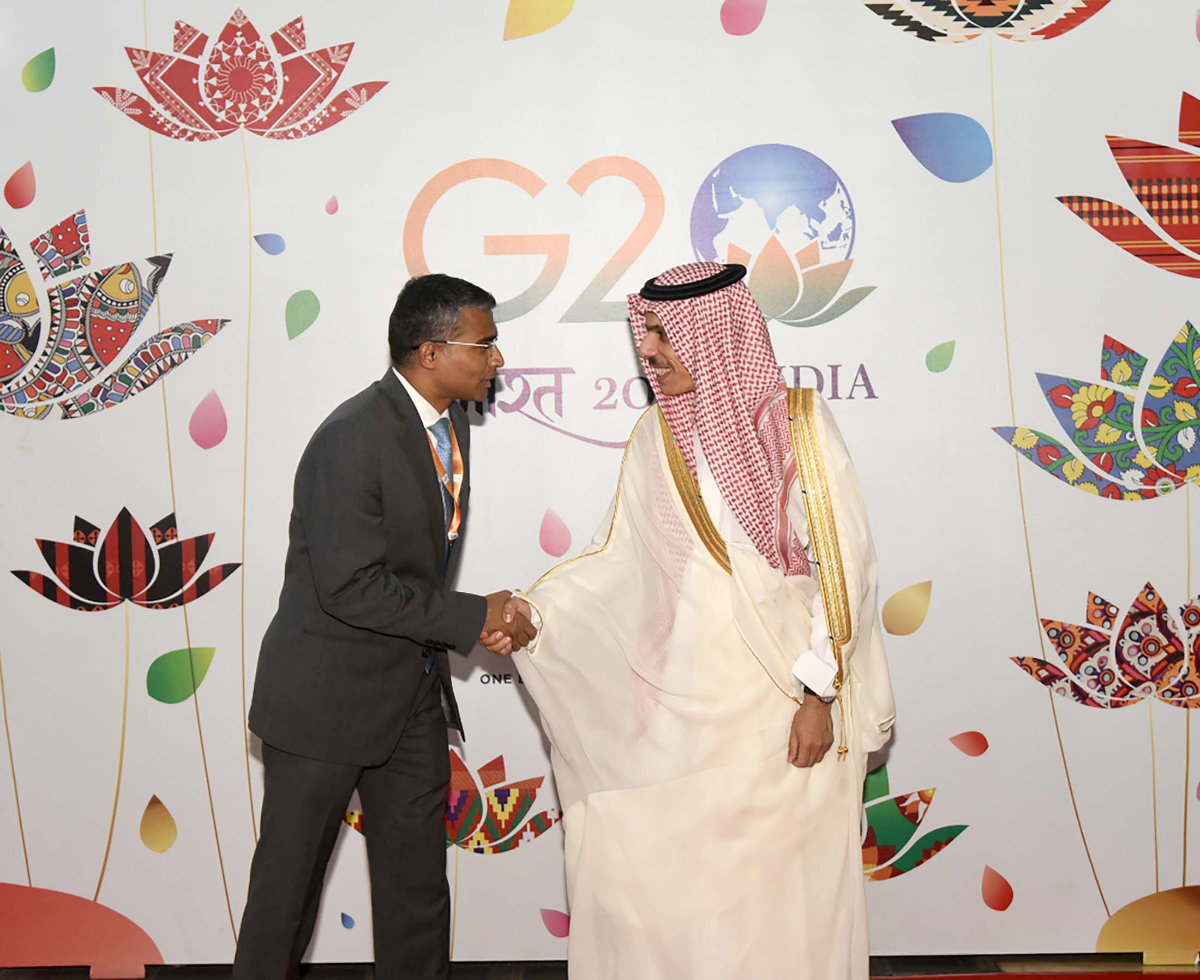
Saudi Arabia's foreign minister, Prince Faisal bin Farhan, arrives for the G20 Summit at Palam Airforce Airport, in New Delhi on September 08, 2023. (Indian Ministry of External Affairs handout)
“India seems to have an undeniable national interest in cementing relations with its partners there,” Marita Kassis, a Beirut-based political analyst and media expert on the Middle East, told Arab News.
“For the past few months, India has been using the G20 momentum to build its geopolitical framework. Following the 2020 border clashes, India and China’s relations grew tense. Both countries have been locked in a competitive security strategy of openness with the Middle East.”
Delhi’s approach is focused also on increased cooperation with traditional US partners in the region, which Kassis said was a “direct line of competition” with Beijing.
“The emphasis is on geoeconomics by spearheading regional connections, science-based projects, economic collaboration and the military through an entente with the US Central Command in Bahrain via the Indian Navy,” she said.
“The interest in strengthening Middle Eastern-Indo relations is always a significant plan as the region tries to venture into new projects, lead new economic opportunities and technologies, and build new political orbits around the world.”


