

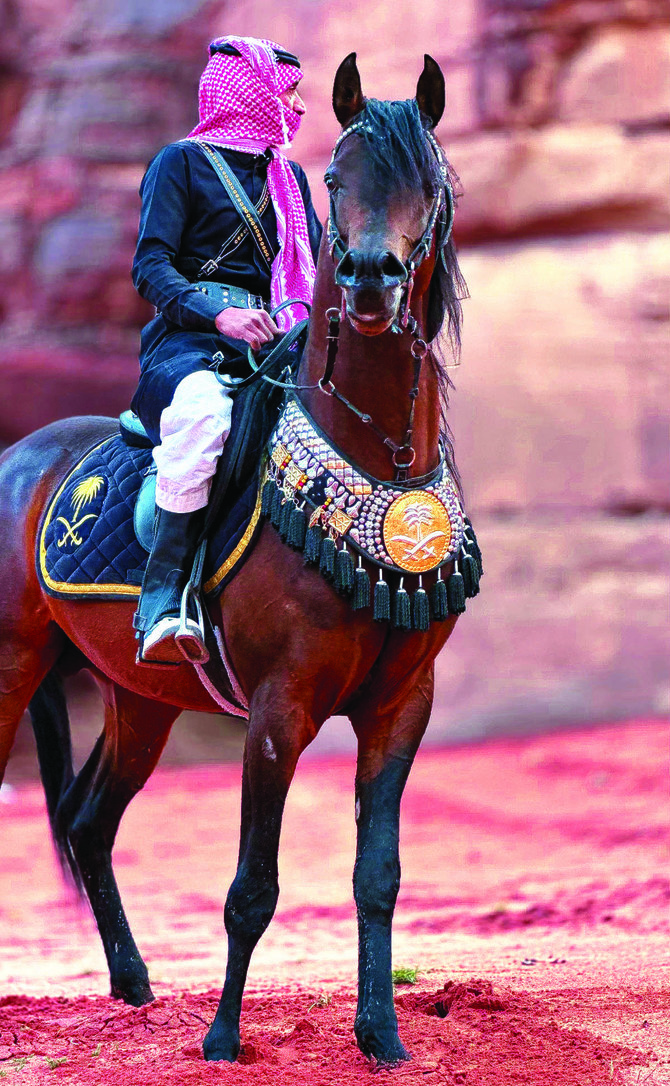
Saudi photographer puts in the effort to capture stunning scenes in Tabuk

Musheer Al-Balawi photographs nature and the beautiful wildlife of the Kingdom, including horses and camels and their integral presence in Saudi culture and heritage. (Supplied)
Short Url
Updated 21 August 2023
Follow

Saudi photographer puts in the effort to capture stunning scenes in Tabuk

  • Armed with an iPhone, Musheer Al-Balawi says that his work ‘requires taking the risk’

JEDDAH: While the summer heat bears down on Saudi Arabia, a photographer in the Kingdom’s northwestern region recently captured stunning pictures following a thunderstorm that swept through the Tabuk and NEOM area.

Local Musheer Al-Balawi, who is passionate about photography and is popularly known as “Marshall” on social media, took snapshots of the scenes that unfolded against the backdrop of the region’s colossal red mountains, with rainwater coursing down the elevated terrain.

In an interview with Arab News, Al-Balawi spoke of his admiration of the natural wonders around him.
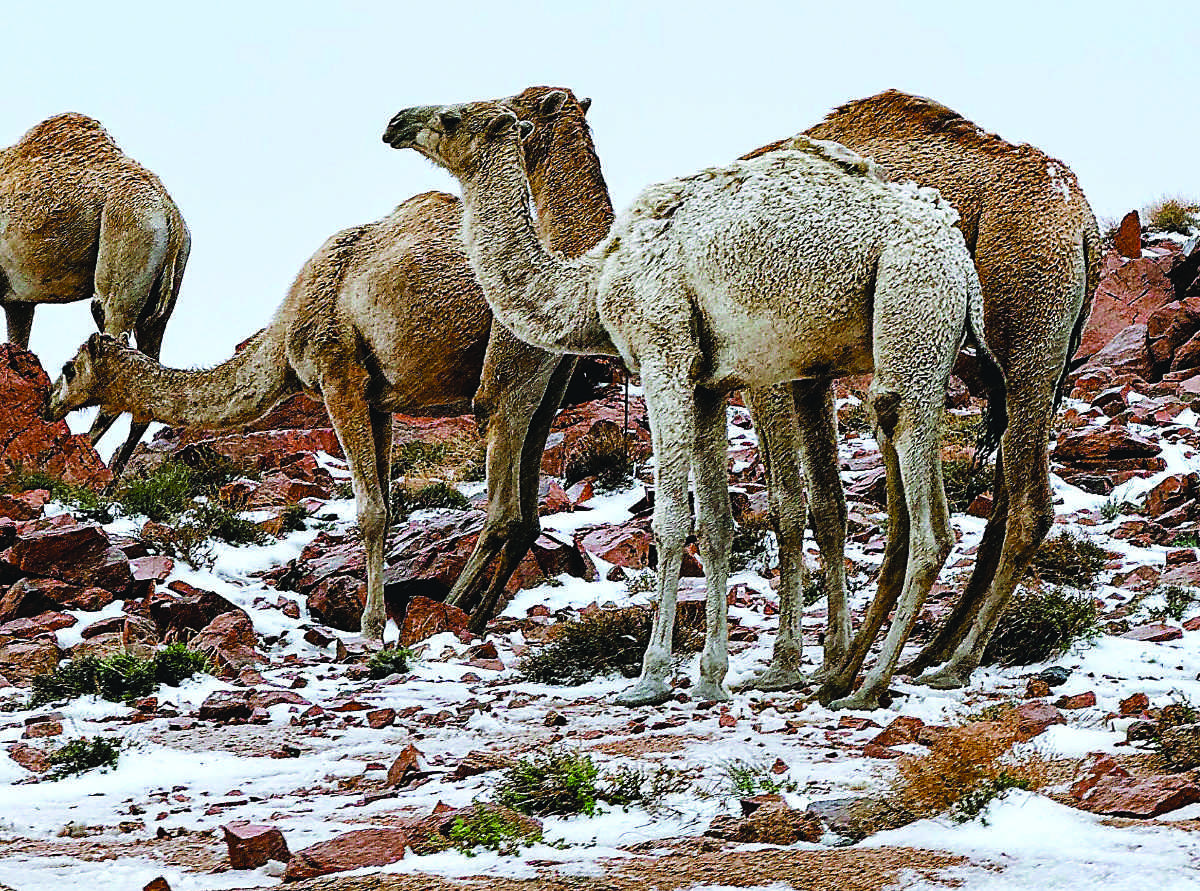


Musheer Al-Balawi photographs nature and the beautiful wildlife of the Kingdom, including horses and camels and their integral presence in Saudi culture and heritage. (Supplied)

He said: “(In the) Tabuk region and its environs, (there is) beauty and charm of nature in our region, and everything I see with my eyes is beautiful and deserves to be captured so the world can see this special paradise we have.”

NEOM has committed to dedicating 95 percent of its entire area to preservation to help illustrate Saudi Arabia's commitment to environmental conservation and the advancement of sustainable lifestyles.

Al-Balawi mostly uses an iPhone 14 for his work and has previously used older models. He believes that “the art of photography lies not in the tools but in the vision and skill of the photographer behind the lens.”
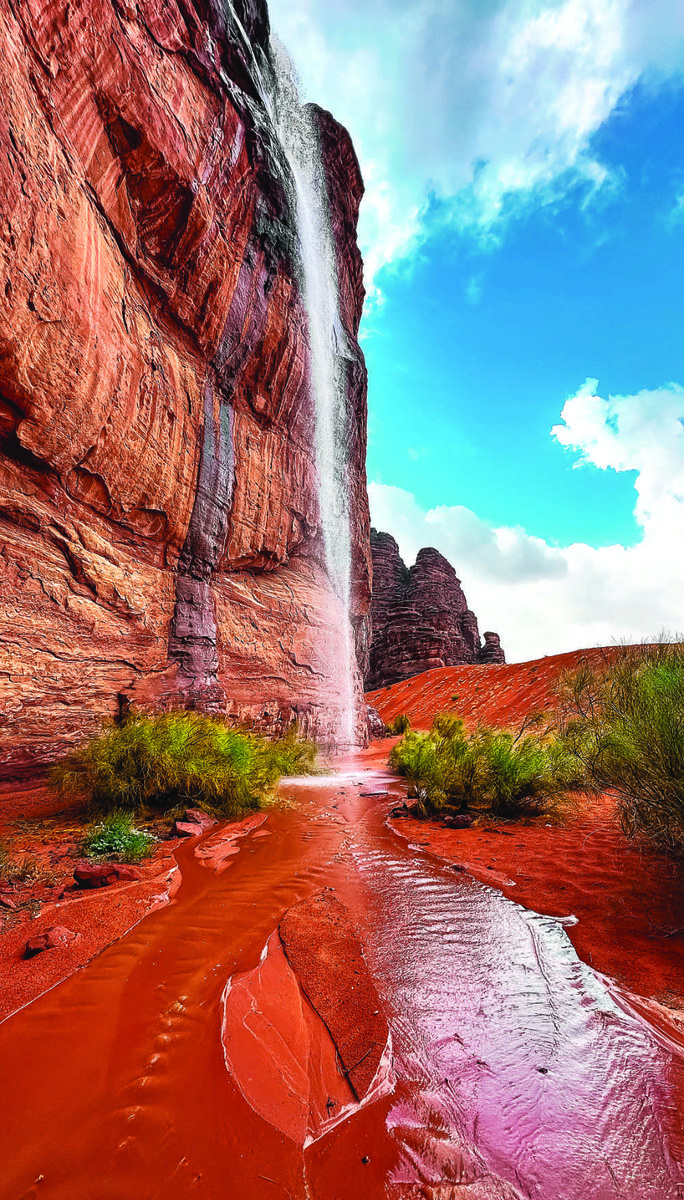


Musheer Al-Balawi photographs nature and the beautiful wildlife of the Kingdom, including horses and camels and their integral presence in Saudi culture and heritage. (Supplied)

His father encouraged Al-Balawi to pursue photography when he got interested in the subject, and the youngster would be given smartphones when he achieved good results in school.

He was able to develop his vision, skills and new techniques to take photos using his phone.

The subject of his work is the landscape that surrounds him, and the beautiful wildlife of the Kingdom, including horses and camels and their integral presence in Saudi culture and heritage.
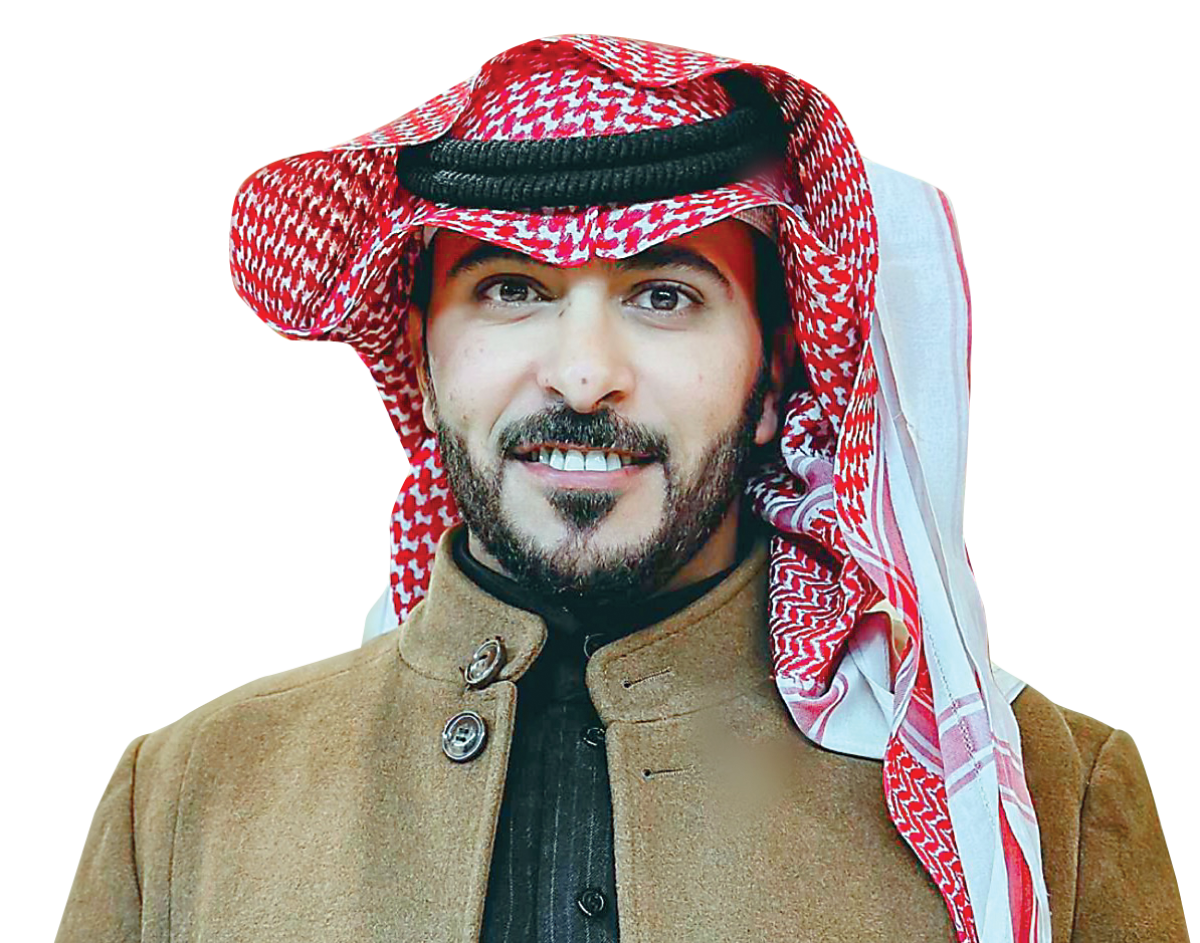


Musheer al-Balawi, Photographer

His collection of photographs and videos showcases the awe-inspiring landscapes found in the Bajdah area, which is nestled within the Tabuk governorate’s northwestern area.

Situated at an altitude 1,167 meters above sea level, these landscapes find their home within the Hisma Plateau — a prominent feature of the Arabian Shield, spanning nearly 3,700 sq. km.

The art of photography lies not in the tools but in the vision and skill of the photographer behind the lens.

Musheer Al-Balawi, Photographer

The geological composition of the area primarily comprises late Cambrian and Ordovician sandstone formations, lending a unique and striking character to the region's terrain.

The same area undergoes transformation during the winter season, as the mountains are blanketed in a layer of snow, offering a picturesque panorama that stands in stark contrast to the arid desert surroundings.
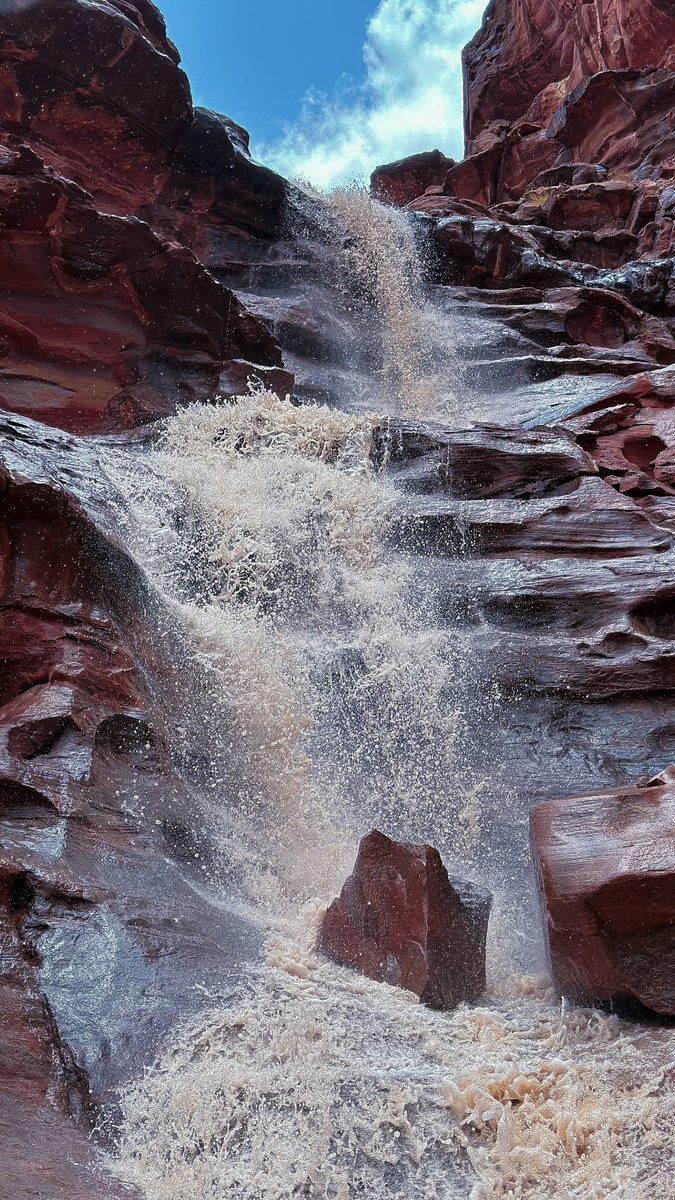


Musheer Al-Balawi photographs nature and the beautiful wildlife of the Kingdom, including horses and camels and their integral presence in Saudi culture and heritage. (Supplied)

Al-Balawi's dedication to his craft is remarkable, as he diligently monitors weather conditions to ensure he is in the right place at the right time.

He said: “I find tracing a thunderstorm or blizzard exciting because capturing rare scenes requires taking the risk.”

This enthusiasm led him to capture the awe-inspiring image of Jabal Al-Lawz covered in snow.
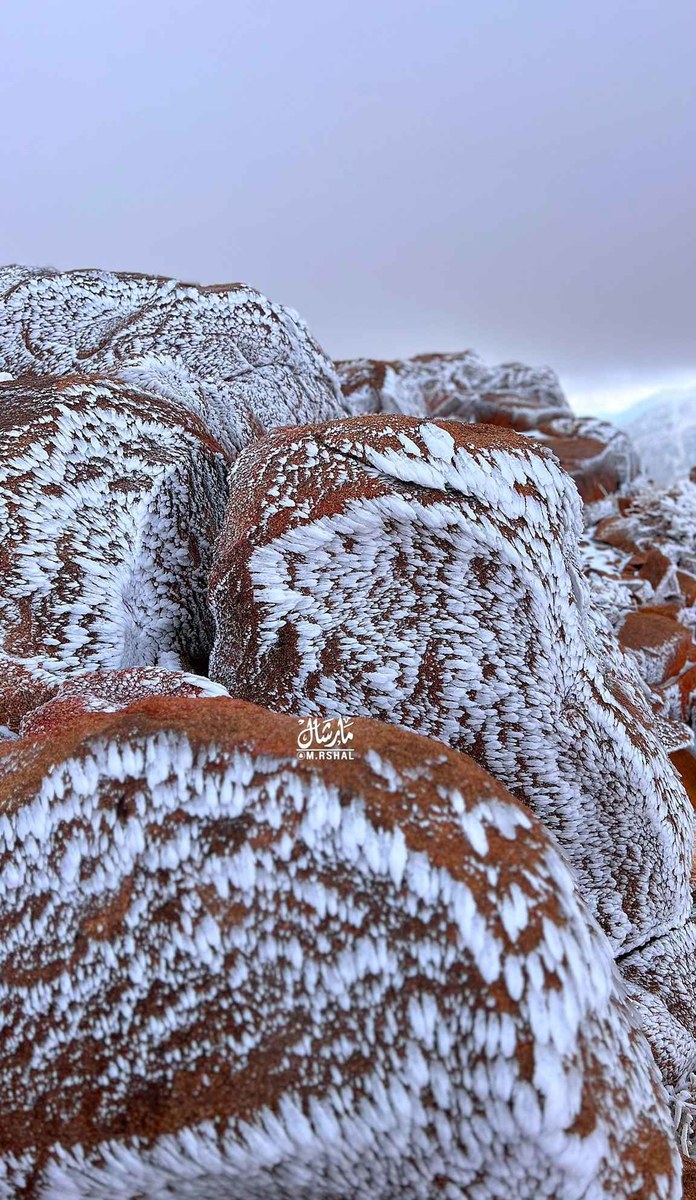


Musheer Al-Balawi photographs nature and the beautiful wildlife of the Kingdom, including horses and camels and their integral presence in Saudi culture and heritage. (Supplied)

Jabal Al-Lawz, which translates to the “mountain of almonds,” is perched at an elevation some 2,580 meters above sea level, offering a breathtaking view of the surrounding landscape.

The Saudi photographer’s ability to encapsulate the dramatic fusion of desert landscapes and snowstorms is outstanding.

His work captures the essence of this unique convergence in a single frame, featuring camels navigating the snowy terrain — a questioning of perception that evokes a sense of wonder and beauty.
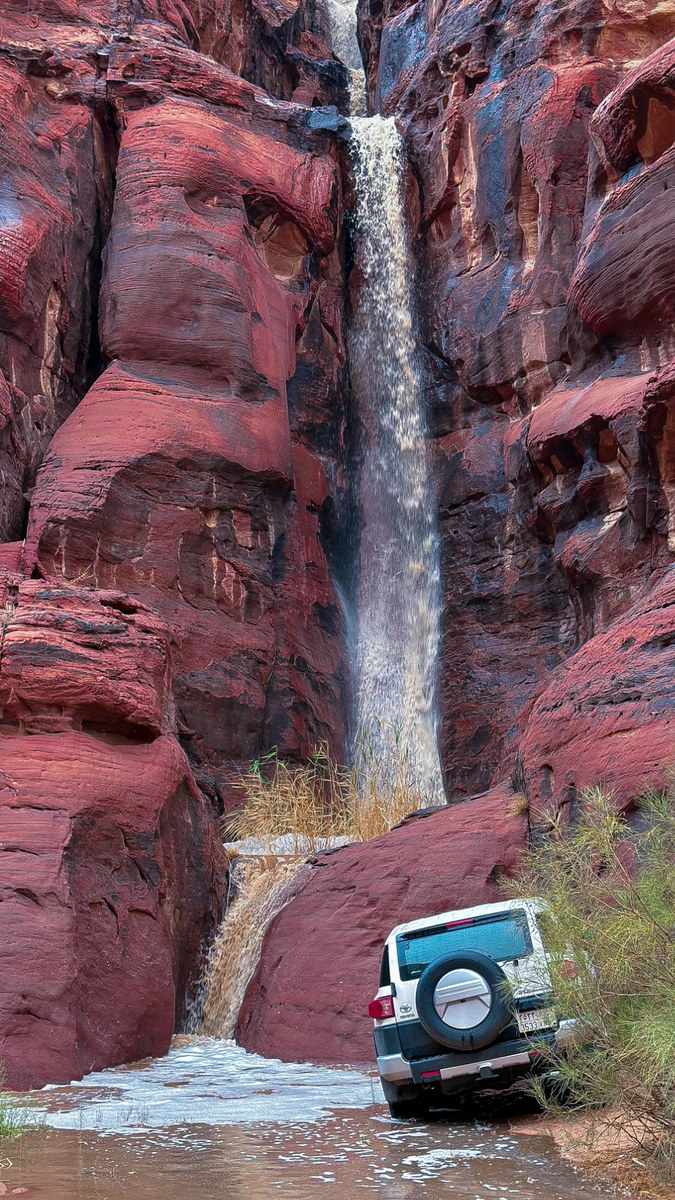


Musheer Al-Balawi photographs nature and the beautiful wildlife of the Kingdom, including horses and camels and their integral presence in Saudi culture and heritage. (Supplied)

To celebrate World Photography Day on Aug. 19, the Saudi Press Agency also captured the essence of Tabuk.

The organization documented the city and its inhabitants in 17 captivating photos, spanning various genres including photojournalism, portraiture, street life, wildlife and nature photography, and sports and documentary photography.  For more pictures https://twitter.com/mrshal_91


Saudi House kicks off Davos with push on Vision 2030, AI platform and ‘humanizing’ tourism

At Saudi House, ministers and executives set out how the Kingdom sees the next phase of its transformation. (Supplied)
Updated 20 January 2026
Follow

Saudi House kicks off Davos with push on Vision 2030, AI platform and ‘humanizing’ tourism

  • Saudi ministers dominate pre-summit spotlight at Saudi pavilion, touting Vision 2030’s next phase and human capital as key to global edge
  • Ministry of Economy and Planning announced the SUSTAIN Platform which aims to accelerate AI-enabled, cross-sector collaboration for sustainable development

DAVOS: For regulars at the World Economic Forum, Monday in Davos is usually a chance to ease into the week, a time to reconnect, plan meetings and prepare for the intense schedule ahead.

This year, Saudi Arabia moved quickly to fill that lull, taking center stage with a packed program of panels ahead of Tuesday’s official opening.

At the Saudi House — the Kingdom’s official pavilion on the Promenade, returning after its debut as a standalone venue at the 2025 WEF Annual Meeting — Saudi ministers and global executives set out how the Kingdom sees the next phase of its transformation.

Monday’s speakers at the Saudi House included Minister of Finance Mohammed Al-Jadaan, Minister of Investment Khalid Al-Falih, Minister of Tourism Ahmed Al-Khateeb, and President and Vice Chairman of Meta Dina Powell McCormick. (Supplied)

Established by the Ministry of Economy and Planning, the venue is pitched as a platform for international thought leaders to tackle the challenges, opportunities and solutions shaping the global economy.

Opening a session on the Kingdom’s role at this year’s Forum and the next phase of Vision 2030 — now in its 10th year and roughly two-thirds complete — Princess Reema bint Bandar, Saudi Arabia’s ambassador to the US, said human capital “is the actual driver if you want a competitive, modern economy.”

She described one of the biggest achievements of the past decade as the emergence of a highly qualified cohort of young Saudis who could work anywhere in the world but “choose to come home, choose to build at home and choose to deliver at home,” calling this “the biggest symbol of the success of Vision 2030.”

Who can give you optimum access to opportunities while addressing risks? I contend that Saudi Arabia has been able to provide that formula.

Khalid Al-Falih, Saudi minister of investment

On the same panel, Minister of Finance Mohammed Aljadaan said this success is rooted in a “behavioral change” that has strengthened the Kingdom’s credibility with both international partners and its own citizens.

“Credibility comes from being very pragmatic, making sure that you maintain your fiscal policy discipline, but at the same time refocus your resources where it matters,” he said, warning that “markets will call your bluff if you’re not serious.”

The Saudi House, a cross-ministerial initiative led by the Ministry of Economy and Planning, is intended to underscore the Kingdom’s “commitment to global cooperation” by offering “a platform where visionary ideas are shared and shaped,” while showcasing opportunities and lessons from its “unprecedented national transformation.”

Lubna Olayan, Chair of the Corporate Board, Olayan Group

Echoing earlier comments to Arab News, Economy and Planning Minister Faisal Alibrahim said the Kingdom’s role as an anchor of stability has helped unlock its potential, stressing that while the objective is to decouple from reliance on a single commodity, “2030 is not the finishing line.”

Khalid Al-Falih, Saudi minister of investment, said Saudi Arabia has been able to enable access to opportunities while addressing major risks, arguing that few countries can match the Kingdom’s overall mix.

“No country has all of those to 100 percent,” he said. “But who can give you the mix that gives you optimum access to opportunities while addressing all of those risks?

Dr. Bedour Alrayes, Deputy CEO, Human Capability Development Program, Saudi Arabia

“I contend that Saudi Arabia has been able to provide that formula and the proof is in the pudding,” noting that local investment has doubled in recent years to reach levels comparable with India and China.

While societal transformation dominated the morning discussions, the afternoon turned to technology, tourism, sport and culture, four strategic sectors expected to spearhead Vision 2030’s next phase.

The Ministry of Economy and Planning used the day to announce the SUSTAIN Platform, due to launch in 2026, which aims to accelerate AI-enabled, cross-sector collaboration for sustainable development.

The ministry said SUSTAIN will translate the Kingdom’s public and private-sector coordination mandate into a practical national tool to help government entities, businesses, investors, academia and civil society identify credible partners, form trusted coalitions and move initiatives “from planning to implementation more efficiently,” addressing a global challenge where fragmented partnerships often slow delivery and blunt impact.

“We are in a moment in time where technology may well impact the face of humanity,” said Dina Powell McCormick, recently appointed president and vice chairman of Meta, welcoming the Kingdom’s “desire” to partner with technology companies and its embrace of innovation.

Minister of Tourism Ahmed Alkhateeb, discussing how technology is being deployed in his sector, underlined that “in travel and tourism, people are very important. We learn about other people’s culture through interacting with people. We digitalize the unnecessary and humanize the necessary.”

He added that while technological transformation is a priority, “we don’t want to replace this big workforce with technology. I think we need to protect them in Saudi Arabia, where we’re being a model. I’m an advocate of keeping the people.”

Throughout the week, Saudi House will host more than 20 sessions, including over 10 accredited by the WEF, across six themes: Bold Vision, Insights for Impact, People and Human Capability, Quality of Life, Investment and Collaboration, and Welcoming the World.

The pavilion will also launch “NextOn,” a new series of influential and educational talks featuring leading global voices.