Saudi Heritage Commission organizes activities at Buraidah Date Festival

1 / 4
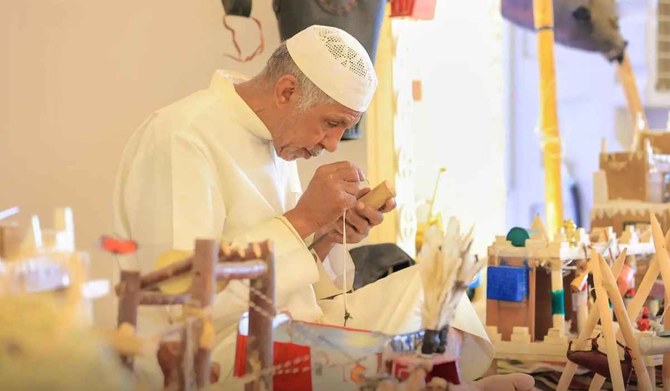
The Buraidah date Festival is displaying an array of old handicrafts, including traditional embroidery and clothing. (SPA)
2 / 4
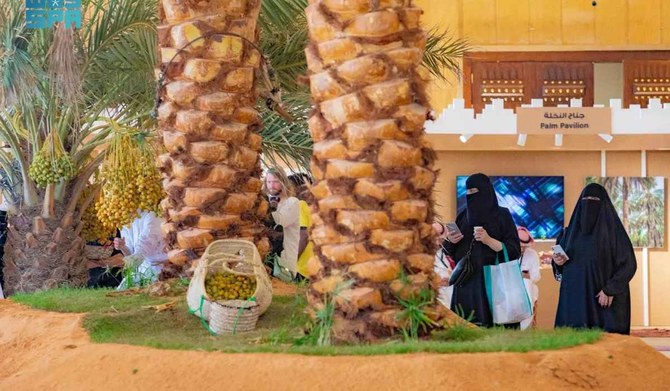
The Buraidah date Festival is displaying an array of old handicrafts, including traditional embroidery and clothing. (SPA)
3 / 4
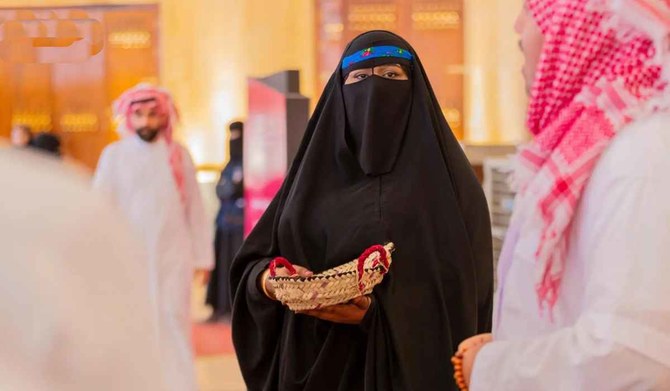
The Buraidah date Festival is displaying an array of old handicrafts, including traditional embroidery and clothing. (SPA)
4 / 4
Short Url
Updated 20 August 2023
Follow

Saudi Heritage Commission organizes activities at Buraidah Date Festival

  • The Buraidah Date Festival will spotlight one of the region’s most significant resources — the palm tree, a symbol of Saudi cultural identity and a major component of its economy

RIYADH: The Saudi Heritage Commission has put together a number of activities at the Buraidah Date Festival, which is organized by the Ministry of Environment, Water and Agriculture’s Qassim branch.

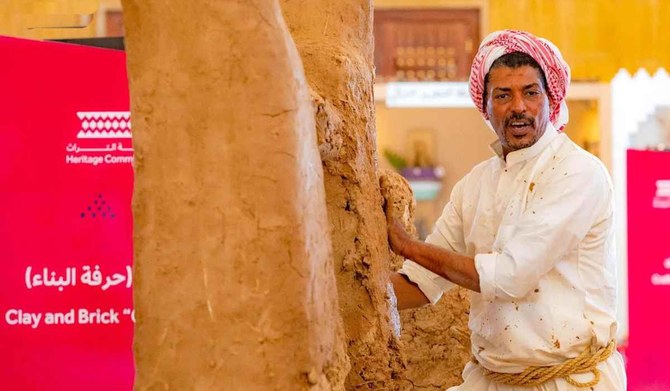
The festival’s pavilions showcase various aspects of the country’s heritage, from mud-house construction and old farming songs to market life in the past and the traditional Saudi coffee majlis. There is also a pavilion dedicated to the Year of Arabic Poetry.

The commission is also displaying an array of old handicrafts, including traditional embroidery and clothing, wood sculptures and handmade palm and Tamarix products, such as the kuphar and zabeel. Visitors can explore a model of the traditional Najdi majlis, where they are served fresh coffee made with traditional tools.


The Buraidah date Festival is displaying an array of old handicrafts, including traditional embroidery and clothing. (SPA)

The commission’s activities include a daily theatrical show that showcases the Najdi market and conversations between merchants and buyers. There is also a section dedicated to children, where they can have fun, learn how to sell and buy dates and listen to historical stories from Najdi heritage.

The activities aim to shed light on the lives of past Saudi generations who lived before the oil revolution.

Over 50 family growers are participating in the festival alongside a host of craftswomen and female entrepreneurs. The event aims to support local farmers and artisans and recognize their contribution to promoting the Kingdom’s products and preserving its culture.


The Buraidah date Festival is displaying an array of old handicrafts, including traditional embroidery and clothing. (SPA)

The Buraidah Date Festival will spotlight one of the region’s most significant resources — the palm tree, a symbol of Saudi cultural identity and a major component of its economy.

More than 40 artists are taking part in the festival, and visitors can watch them create murals and paintings portraying the economic and social significance of palm trees and their fruits.

Local date traders will also showcase their produce, and around 150 murals depicting various aspects of the palm tree — including its fronds, trunk, and fruit — will be on display in an exhibition that highlights the manufacturing industries linked to the palm tree.

The festival, which will run until Aug. 25, has created more than 4,000 seasonal job opportunities and attracted a large number of traders and consumers, leading to a significant increase in commerce.


UN honors Saudi Reef chief with medal for sustainable development

Updated 7 sec ago
Follow

UN honors Saudi Reef chief with medal for sustainable development

  • Ghassan Bakri is empowering small agricultural producers
  • Saudi Reef helps to boost food security, protect resources

RIYADH: Ghassan Bakri, secretary-general of the Sustainable Agricultural Rural Development Program, known as Saudi Reef, has received a UN first-class medal of honor for his developmental work.

The award recognizes his leadership in advancing the program’s objectives and enhancing its impact in the rural sector, the Saudi Press Agency reported recently.

This international honor acknowledges his supervision of initiatives to empower small-scale agricultural producers and improve rural productivity and efficiency. 

It also highlights his work in developing agricultural value chains, increasing access to local markets, and reinforcing the sustainability of farming activities. 

The UN recognition further reflects the program’s efforts to build international partnerships and share expertise in sustainable agriculture.

It underscores initiatives on food security that support the agricultural ecosystem and improve resource efficiency, the SPA reported.

Earlier, the UN World Tourism Organization praised Saudi Reef for promoting sustainable development by linking it to rural tourism and showcasing the cultural heritage of communities.

Basmah Al-Mayman, the organization’s director of the Regional Department for the Middle East, commended the program for organizing multiple rural tourism events across the Kingdom.

In a report published by the SPA last month, the program projected that the average monthly income of its beneficiaries, including farmers and producers, will exceed SR20,000 ($5,300) per person by 2030.

This expected growth underscores the program’s commitment to enhancing economic sustainability in rural areas, in alignment with Vision 2030 objectives, the SPA stated.

Saudi Reef spokesperson Majed Al-Buraikan said the rise in farmers’ incomes reflects the program’s expanded support for more than 200,000 beneficiaries, which boosts productivity, local investment, and sustainability through modern irrigation and agricultural mechanization.

He added that the projected income growth for small farmers and producers reflects the success of Saudi Reef initiatives in empowering communities and enhancing their contribution to the national economy.

Al-Buraikan said the program has successfully introduced multi-billion-riyal products into the Saudi market, with the fruit sector alone exceeding SR2.3 billion and the coffee sector reaching SR825 million.

He pointed out that the total market value covers five main sectors: fruits, coffee, honey, roses, and rain-fed crops.

The program provides financial and advisory support to small-scale farmers, beekeepers, fishermen, and productive rural families across several sectors.