RIYADH: An exhibition highlighting cultural similarities and differences between Saudi Arabia and other countries around the world is due to open in Riyadh next month.
Organized by the Saudi Ministry of Culture, the “Between Two Cultures” display will delve into the exploration and presentation of diverse cultures, the Saudi Press Agency reported on Tuesday.
In its first round, the exhibition will place special emphasis on Yemen and its close ties to Saudi culture, showcasing areas such as fashion, visual arts, architecture, design, and culinary arts.
Its aim will be to foster cultural exchange and cooperation between the Kingdom and Yemen.
As well as introducing exhibition visitors to the artistic history of Saudi Arabia and Yemen, ministry officials said they hoped the event would further strengthen relations between the two nations and emphasize shared values.
In addition, “Between Two Cultures” has been designed to promote international cultural exchange in line with the ministry’s Vision 2030 targets.


Riyadh exhibition to highlight world cultures

https://arab.news/vwgks
Riyadh exhibition to highlight world cultures

- Organized by the Saudi Ministry of Culture, the “Between Two Cultures” display will delve into the exploration and presentation of diverse cultures


Ethiopian Cultural Days brings aroma of coffee, flavorful food to Alsuwaidi Park in Riyadh
- The Global Harmony Cultural Series is open to visitors every day from 4:00 p.m. until midnight
RIYADH: Ethiopian Ambassador to Saudi Arabia Muktar Kedir Abdu attended the opening of Ethiopian Cultural Days at Alsuwaidi Park in Riyadh on Thursday.
The Ministry of Media and the General Entertainment Authority organized Ethiopian Cultural Days as part of the Global Harmony Cultural Series, which has focused on several other countries so far, including Yemen, Indonesia, Syria, and Uganda.
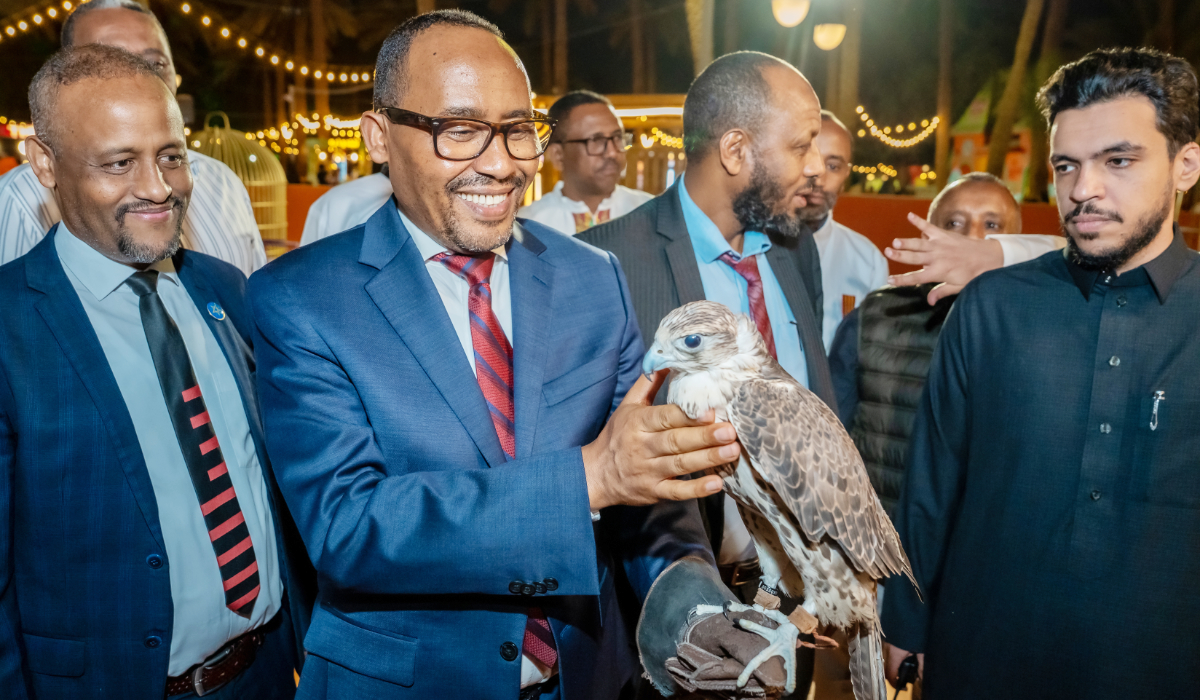
The Global Harmony Cultural Series is open to visitors every day from 4:00 p.m. until midnight.
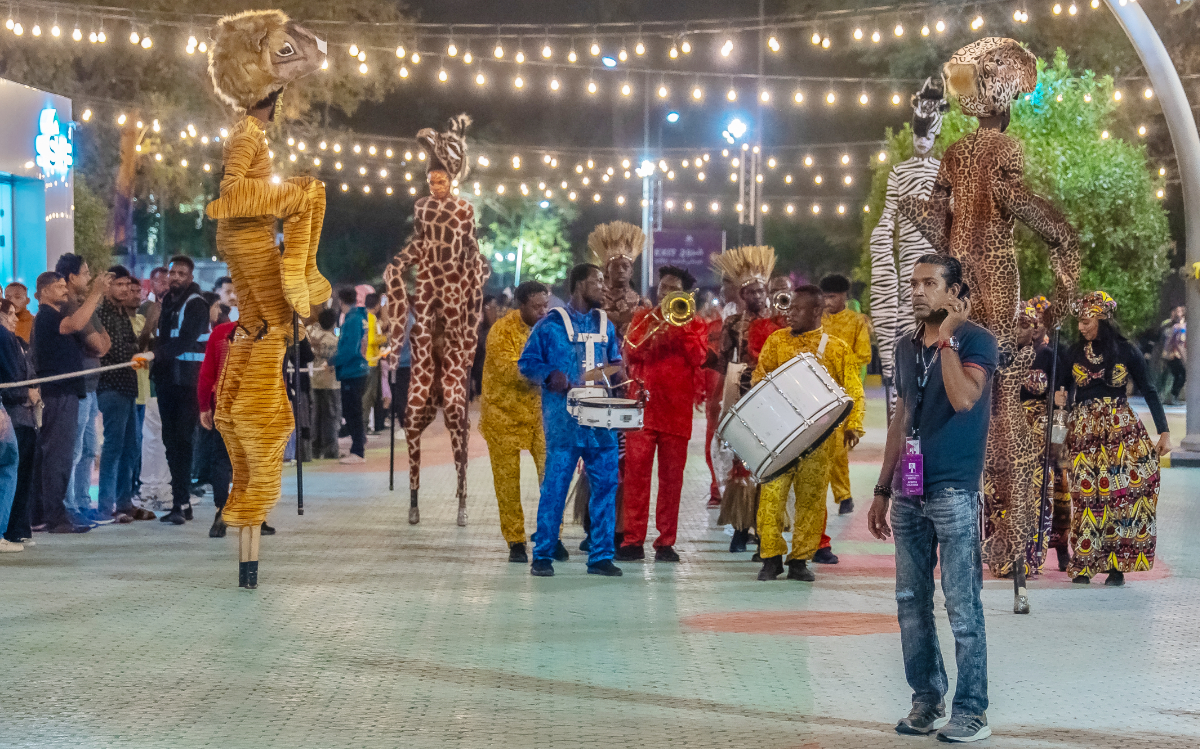
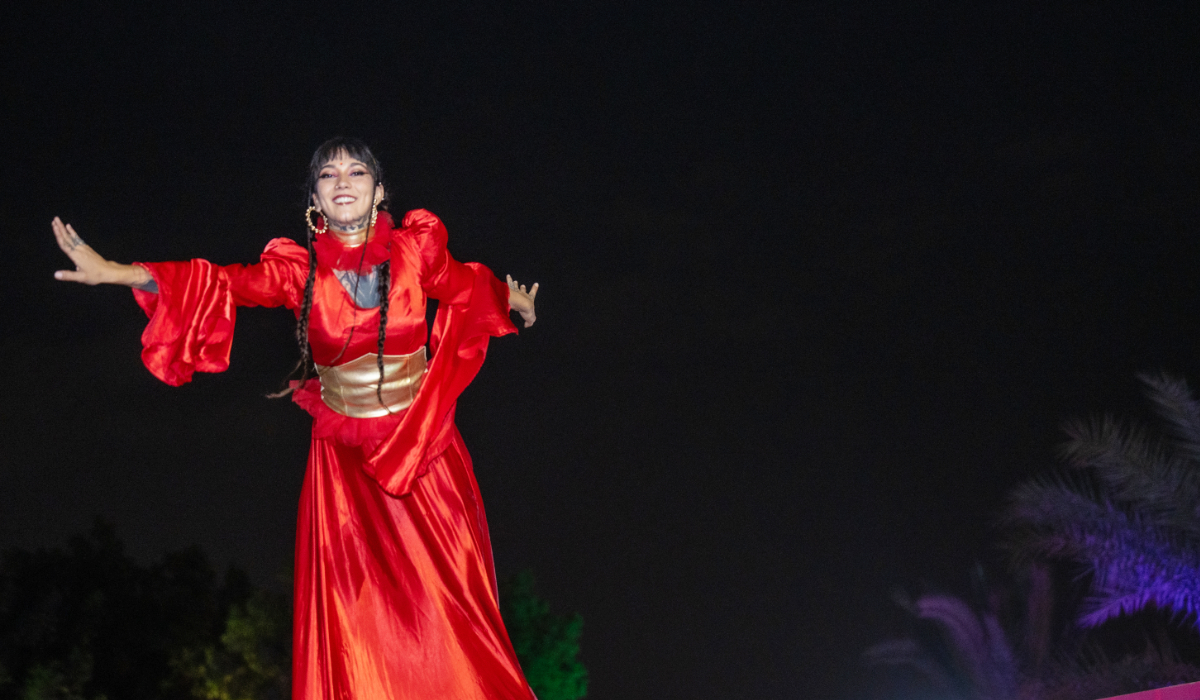
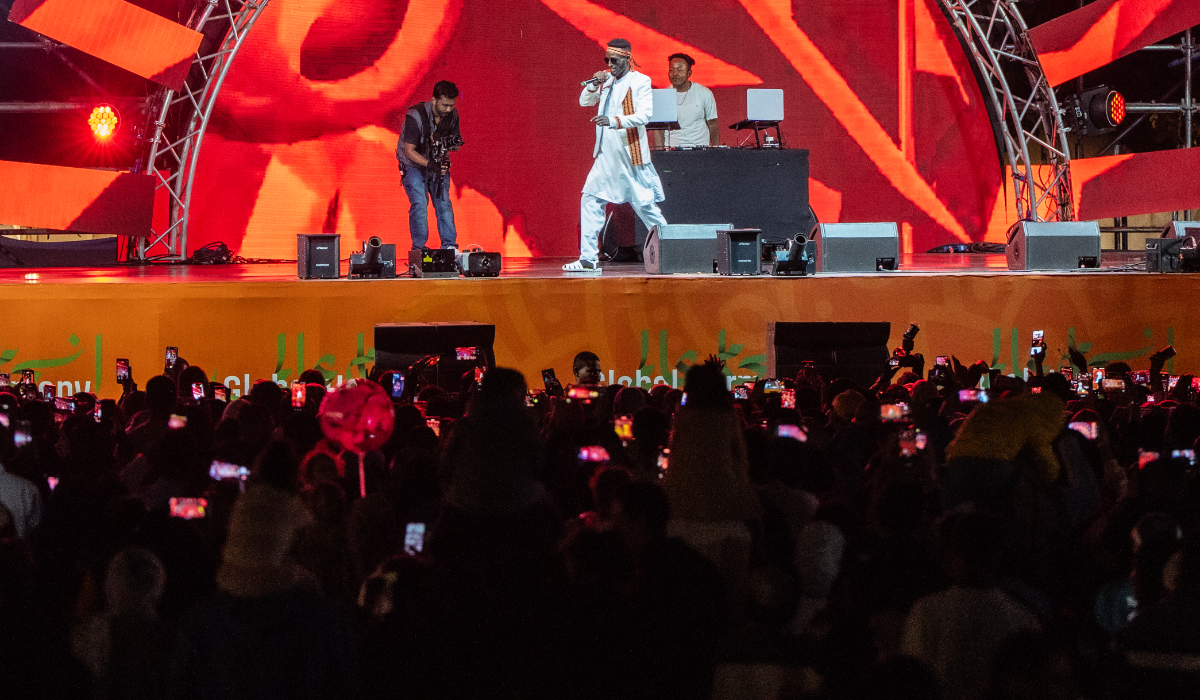
During Ethiopian Cultural Days, guests will see Ethiopian dance groups showcasing diverse folk dances from various regions of Ethiopia.
“What caught my attention the most was the DJ. My friends and I come almost every day for the DJ,” Turki Mesmeh, a frequent visitor to Global Harmony, told Arab News. “They brought their cultures to us, all the way to the Alsuwaidi neighborhood.”
Ethiopia has an enormously rich history. According to National Geographic, the ancient African kingdom of Aksum was based in what is now northern Ethiopia and parts of Eritrea. It emerged as a powerful and wealthy civilization from the 1st to the 10th century CE, controlling the trade routes between the Roman Empire, India, and the Arabian Peninsula. Ethiopia was also among the first countries in Africa to adopt Christianity.
Guests to Ethiopian Cultural Days will also discover a range of Ethiopian cuisine.
“The most important dishes are tibs and kitfo. Tibs is meat, fried with tomatoes and other ingredients,” Welday Meles, owner of the Ethiopian restaurant Lucy, told Arab News.
Kitfo is raw minced beef mixed with chili and clarified butter, and is similar to steak tartare.
Another popular dish is beyaynetu, a dish — or series of small dishes — made from a wide variety of ingredients and served with injera — Ethiopia’s famous spongy flatbread made from fermented teff flour.
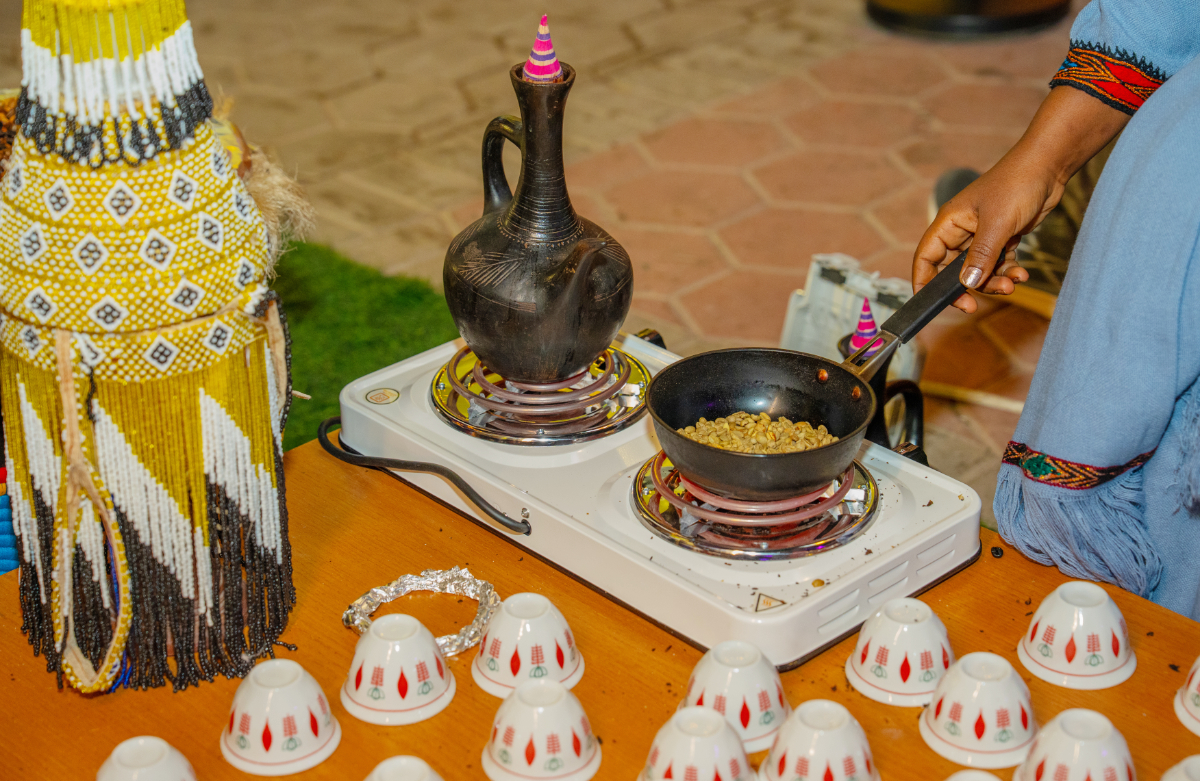
And no celebration of Ethiopia would be complete without coffee. Not only because the coffee plant originated there — legend has it that a goat herder named Kaldi discovered coffee when he noticed that his animals became unusually energetic after eating red berries from a particular tree — but also because the country has preserved its traditional rituals, diverse varieties, and deep cultural connection to coffee, remaining one of its most significant global producers.
Rahika Mohammed, a participant at the event, explained that, in Ethiopia, coffee is commonly served with “popcorn and mastic incense,” adding that “the cup must be full when served.”