


KARACHI: A Syrian family that fled civil war in their home country and migrated to Pakistan in 2012 launched a home-based food service three years ago and was now serving up authentic Arab dishes to a growing clientele in the port city of Karachi, the co-owner of the venture said on Monday.
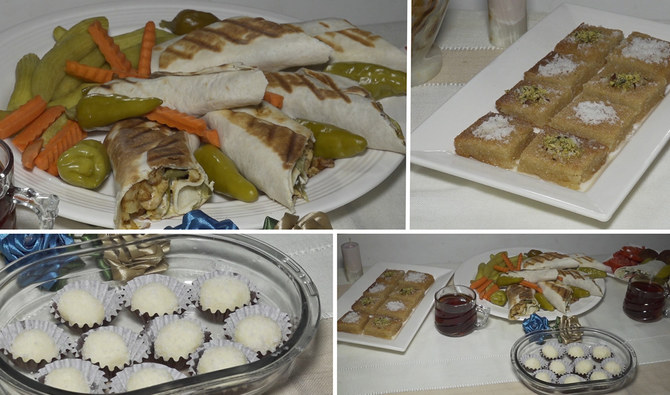
Today, the syrup-soaked phyllo dessert, the kunafa, and shawarma made of freshly skewered meat, are top sellers at Damascus Sweets, the brainchild of Yousef Asim Al Bermavi and his sister.
“It was a small beginning but we expanded after that,” Al Bermavi, who moved to Pakistan with his parents and two siblings told Arab News at his home in Karachi, while his sister, who declined to be named or photographed, prepared hummus and falafel, staple Middle Eastern dishes, in the family kitchen.
“Initially, my sister and I were operating the business but as the demand increased, my mother and father started helping too. From a personal idea, it turned into a family idea and a family business.”
The idea to launch a home-based food business actually came from Pakistani friends.
“We were hosting them in our home and they tasted our food and they liked, they were amazed by what we produced,” Al Bermavi said. “It was three years ago.”
The entrepreneur then started designing a menu with his sister, trying to figure out which dishes could be prepared quickly, either on the same day or just a day before. Next came marketing, with the siblings spreading the word about their services to family and friends.
“Mainly we depend on organic marketing, mouth-to-mouth,” Al Bermavi said, adding that they also relied on social media platforms.
Dasascus Desserts receives its orders mainly through Instagram and WhatsApp. Most customers pick their orders from the Al Bermavi home, while the business also delivers to areas near their home.
Al Bermavi said a major challenge in preparing authentic Syrian dishes was the inavailability of certain ingredients in Pakistan.
“There are many dishes we can offer but unfortunately the ingredients are missing in Pakistan so we make what’s available here,” he said.
The company’s most popular items include kunafa, a sugar-soaked pastry layered with cheese or cream, and the shawarma, a street food item made of spit-roasted layers of lamb, beef, or other meats, that are sliced and often wrapped in or served with pita. Maamoul, a buttery date-filled cookie, and basbousa, a popular Syrian pastry, are also customer favorites.
“We have had a huge, positive feedback since the beginning,” Al Bermavi said. “We make our dishes the traditional way.”
Take for instance the shawarma that Damascus Desserts prepares using pickles and garlic sauce to retain its original taste.
“We didn’t make any huge changes [to original recipe,” Al Bermavi said. “We can make a small change in the shawarma, we can make it a little bit spicier as per customer preference only.”
Indeed, the secret of the dishes at Damascus Desserts was sticking close to original recipes.
“It’s authentic with no changes,” the food vendor said. “It’s the same as in Syria.”


