



RIYADH: Saudi women have time and again defied all odds with tenacity, carving niches for themselves across different fields since the country’s establishment.
From Princess Noura bint Abdulrahman, adviser to her brother King Abdulaziz, to Rayyanah Barnawi, the first Saudi woman to go to space, to Mishaal Ashemimry, the first female aerospace engineer in the Gulf Cooperation Council — the list is impressive and growing.
Some inspiring and resilient Saudi women spoke to Arab News to share their thoughts and offer sage advice to young Saudi graduates who are all set to enter the workforce.
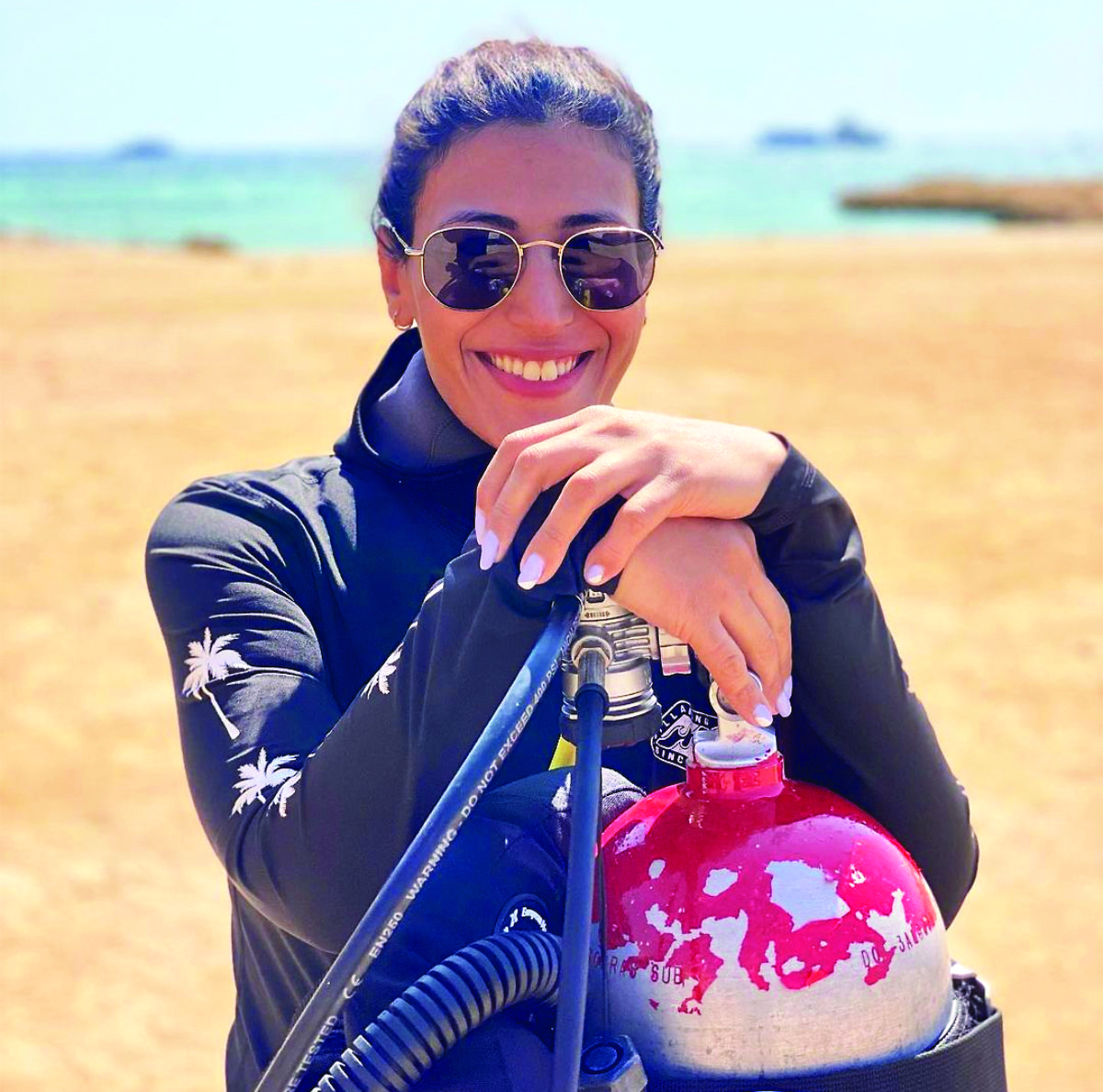
Nouf Alosaimi. (Supplied)
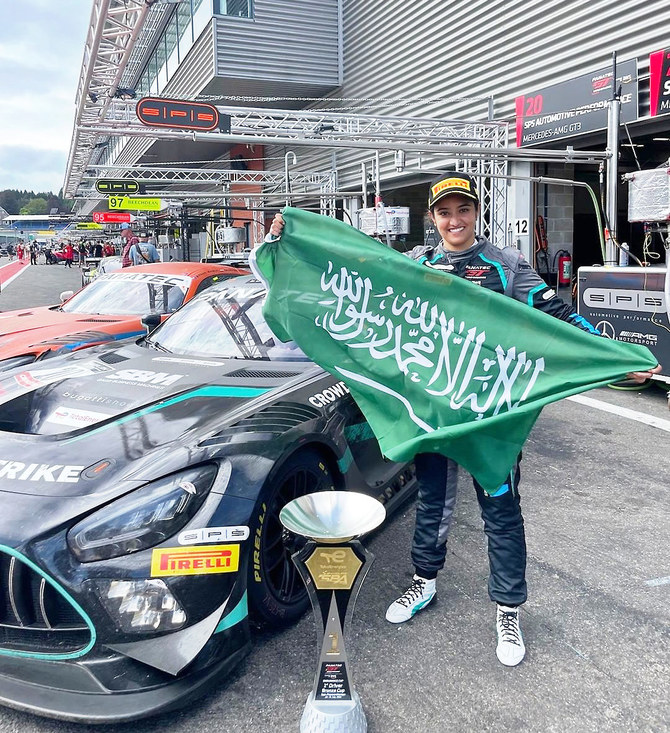
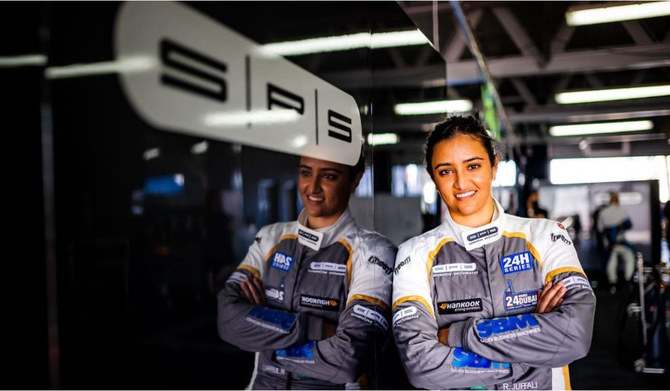
“Take a chance and believe in yourself,” said Reema Juffali, the first Saudi female professional racing driver to win an international motor race.
With the driving ban in the Kingdom lifted in 2018, a realm of possibilities for women was unveiled, but with change came great uncertainty.
HIGHLIGHTS
• Hajar Al-Naim’s Studio Production Training is backed by the Saudi Cultural Fund.
• Hawazen Al-Hassoun, PwC’s Middle East COO, oversees all internal services for more than 2,000 employees in six offices around the Kingdom.
• Professional racing driver Reema Juffali was on BBC’s 100 Women list of inspiring and influential women around the world in 2022.
Juffali, who earned a spot on BBC’s 100 Women list of inspiring and influential women around the world last year, said: “The challenges have been more to do with self-belief, especially when things seemed to be not going my way. I’ve had to remind myself to be patient and trust the process to achieve my long-term goals.”
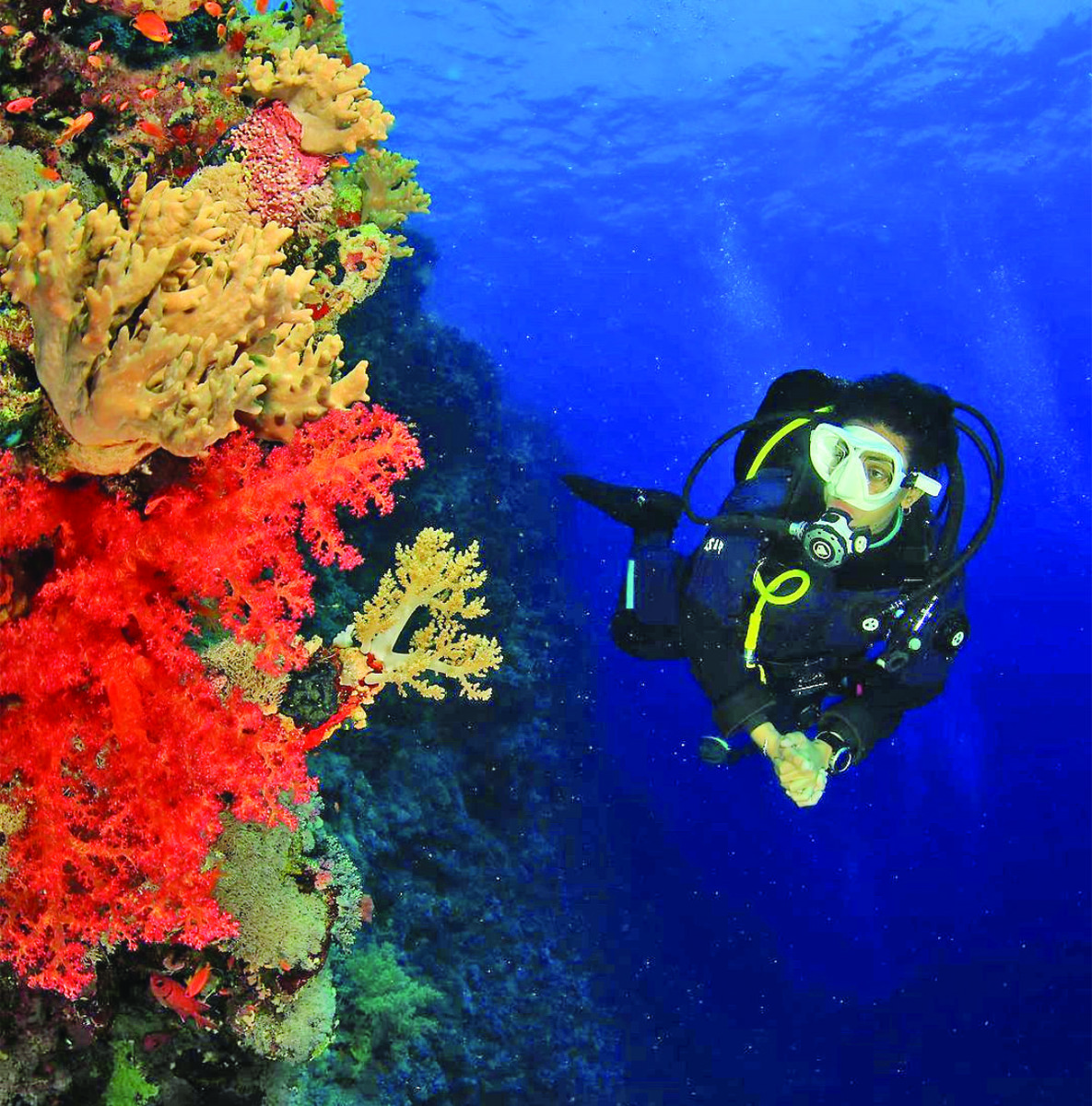
Nouf Al-Osaimi dived 105 meters in Jeddah’s Red Sea. (Supplied)
Women across the country are entering male-dominated fields and “intimidation is there when you’re around people who’ve been doing this for so many years.”
Women were first allowed into government spaces in 2011 following a royal decree by King Abdullah, who appointed 30 women to the Shoura Council.
“Vision 2030 has turned everything around. It’s not just opened new doors, but new horizons. Women in particular have now taken up jobs that they hadn’t had the opportunity to explore in the past,” Juffali said.
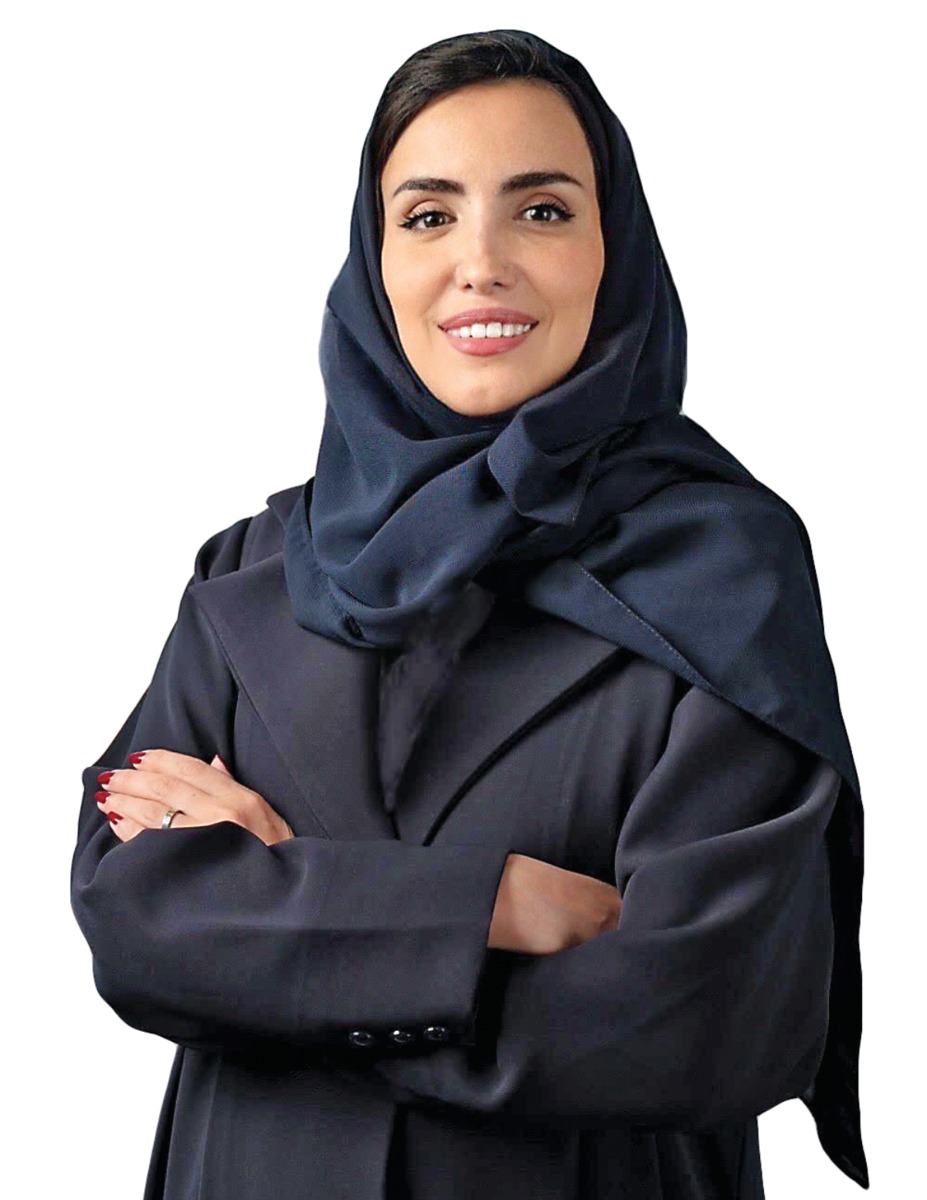
Hawazen Al-Hassoun, PwC’s Middle East COO
In the corporate world, PwC’s Middle East Chief Operating Officer Hawazen Al-Hassoun has made it her mission to create a work environment pillared by inclusion and diversity.
“This means creating an environment where employees have equal opportunities for career development and even equal pay in a culture that fosters respect to all,” Al-Hassoun told Arab News.
As the first woman to take up the position, she oversees all internal services for more than 2,000 employees in six offices around the Kingdom and focuses on implementing operational excellence, driving business process efficiency, and executing on strategic goals.
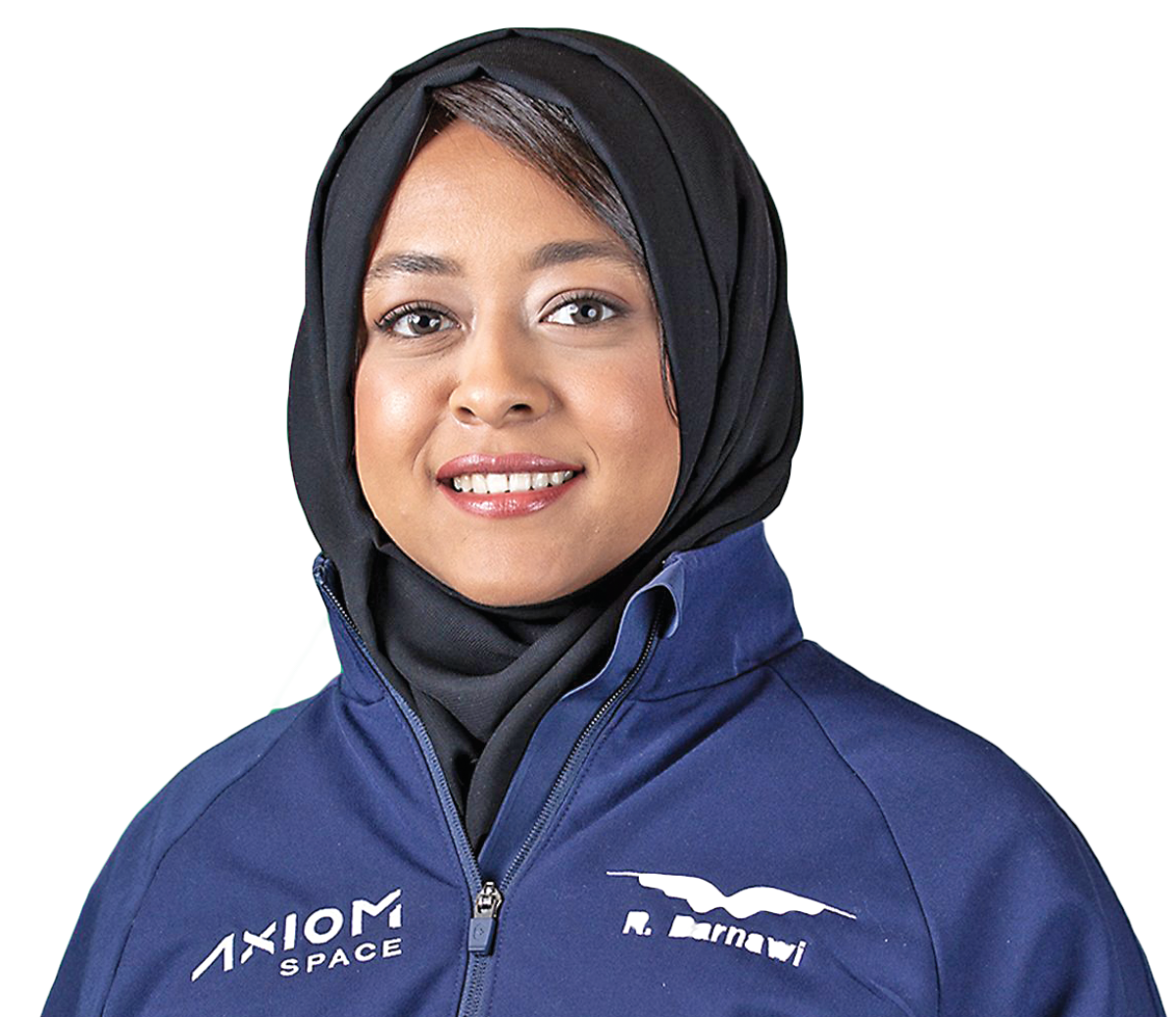
Inspiring the next generation of saudi women, Rayyanah Barnawi is the first saudi woman to go to space.
Bringing Vision 2030 to life, this year the regional headquarters welcomed 190 new graduates, all Saudi nationals — 50 percent of whom were women. They have also launched an on-the-job training program in AlUla that leverages the global consultancy’s collective industry expertise and aims to provide hands-on professional experience to fresh Saudi graduates.
Al-Hassoun, who grew up in a family that values equal opportunities, feels that “gender bias is still an issue. However, by speaking up and seeking out support, women can overcome these challenges and achieve success in their careers.”
The world needs more female leaders who contribute their skills and vision to the table. Ultimately, the path to success is never a straight line. Each one of us has their own unique journey. But always remember, don’t give up on your dreams.
Hawazen Al-Hassoun, PwC’s Middle East COO
According to a report published by the firm, 40 percent of working-age women within Saudi Arabia and GCC countries are employed, and fewer than 20 percent of all senior managers are females.
The type of cultural shift that would see more women in leadership positions involves a number of considerations. It is a transitional change, Al-Hassoun says, which will also require an agenda for diversity to be pushed more broadly across the workforce.
Women face a number of barriers that vary from managing work-life commitments to accessing training and development. There is also a lack of career opportunities and advancement.
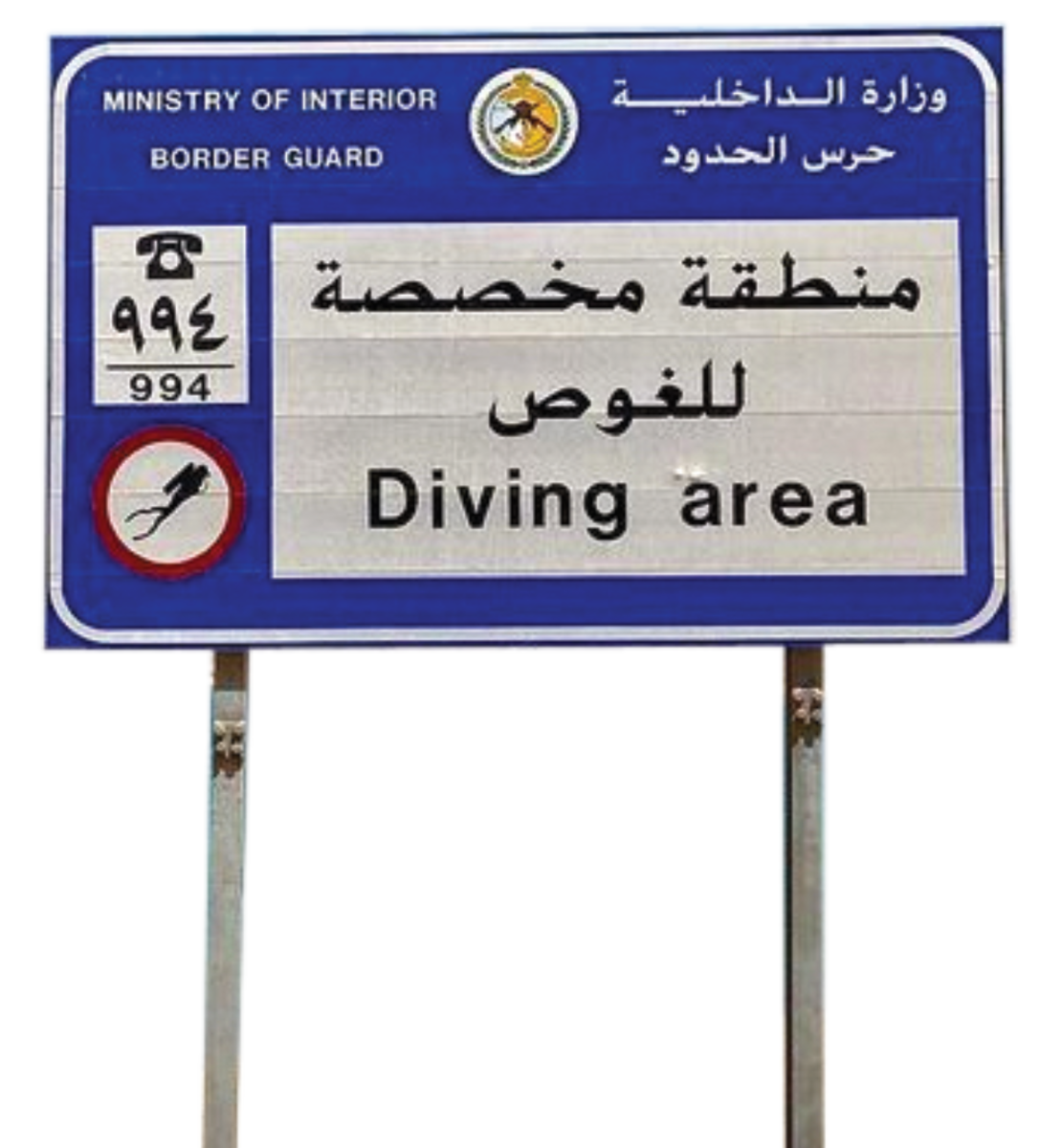
A large number of scuba diving centers can be found in Saudi Arabia. (Supplied)
“Businesses need to embed diversity strategies for the entire career lifecycle, setting diversity key performance indicators to ensure fair assessments for women and reinforcing supportive workplace cultures. It’s also a critical step for employers to effectively attract, recruit, and retain talented young women,” Al-Hassoun said.
She suggests that businesses take steps like providing top mentorship and sponsorship, peer support groups, access to female leaders and role models, flexible work hours and paid leave, and equitable compensation processes.
NUMBER
105m
Nouf Al-Osaimi dived 105 meters in Jeddah’s Red Sea, the deepest depth achieved by a woman in Saudi Arabia.
Al-Hassoun said: “I want young women to understand the opportunities and career paths that are currently available to them. It is important with the consistent changes that are circling the Kingdom for young women to be aware and educated on what they are able to achieve and obtain.”
To young graduates, she emphasized the uniqueness of their individual perspectives: “The world needs more female leaders who contribute their skills and vision to the table. Ultimately, the path to success is never a straight line. Each one of us has their own unique journey. But always remember, don’t give up on your dreams.”
Many of the female change-makers were first and foremost driven by passion. For filmmaker Hajar Al-Naim, co-founder and executive producer at production house MTHEC and cofounder of Studio Production Training, her hope was to change lives.
As a student abroad at Loyola Marymount University, before the Kingdom established the Film Commission under the Ministry of Culture, it was clear that talents at home were lacking proper training.
“It wasn’t easy for a lot of guys to learn about filmmaking, so it was extra hard for me to learn about that in Saudi Arabia … That experience that I had in Los Angeles, I wanted to give it back to our talents in Saudi Arabia,” she told Arab News.
SPT, backed by the Saudi Cultural Fund, has recently launched The Studio program, which seeks to educate talent and provide fellow filmmakers with support throughout the production process.
Similarly, Saudi scuba instructor Nouf Al-Osaimi saw the discrepancy in the water sports industry.
Al-Osaimi first dived into the Red Sea in 2008 and instantly became mesmerized by its beauty and the richness of life teeming there. She began exploring the field and gained more experience, becoming an open-water diver and advancing to rescue and dive master.
In 2011, she graduated from the UK with a degree in tourism management.
“We didn’t even have tourism in Saudi Arabia at the time,” she told Arab News. “I do what I love and what makes me fulfilled. I don’t do things for the community, or society, or anyone — I do it for myself. When you do things for yourself, you go to places that you’ve never thought of.”
While she was working in Egypt after graduation, she said she was not taken seriously by her colleagues. “But I believed it was for me, which is why I pushed (for it),” Al-Osaimi said.
“The first challenge was that I wasn’t able to go on a boat without a guardian, so I was limited to small beaches. I had to be low-profile, and the community was dominated by men back then, so I had to be careful.”
From a societal aspect, the industry itself was not taken seriously. But Al-Osaimi overcame these challenges and slowly reached higher ranks, working at the diving center in a five-star hotel in Sharm El Sheikh.
After deciding it was time to come home and share her expertise locally, she became the first Saudi female technical diver, diving 105 meters in Jeddah’s Red Sea, the deepest distance achieved by a woman in the country.
She then founded the Red Sea Citizen Dive club to raise awareness about the diving field in the region, and Pink Bubbles Divers, a community-based group to empower women in the field, and held the first global PADI Women Dive Day in Saudi Arabia in 2017. She is now an AmbassaDiver for the Professional Association of Diving Instructors.
This year, she delivered the opening speech at the World Economic Forum, asking world leaders to protect the coral reefs in the Red Sea. She was also invited as a speaker at the Ocean’s Dinner event organized by the Saudi UNESCO delegation in Paris.
She said: “Finally, I can change people’s lives the same way diving changed mine … I dedicated my life to the thing I love most, even though it wasn’t something necessarily accepted in society.”
Al-Osaimi now captains her own boats, in a sign that bodes well for Saudi women as they set sail for new horizons.


