

Saudi efforts to promote youth development paying dividends on international stage

Misk schools was established in 2016 by crown Prince Mohammed bin Salman. (Supplied)
Short Url
Updated 04 July 2023
Follow

Saudi efforts to promote youth development paying dividends on international stage

  • Misk Schools, established in 2016 by Crown Prince Mohammed bin Salman, has identified and nurtured young Saudis’ abilities in several fields including artificial intelligence, space exploration, professional sports, and tourism

RIYADH: Saudi Arabia’s efforts to promote youth intellectual development has been paying dividends on the international stage.

Over recent months, talented students from throughout the Kingdom have been making headlines winning awards in annual global competitions.

According to a report by the King Abdulaziz and His Companions Foundation for Giftedness and Creativity (Mawhiba), the number of awards won by the country’s young people in international scientific contests was 57 in 2020, 72 in 2021, and 94 last year.
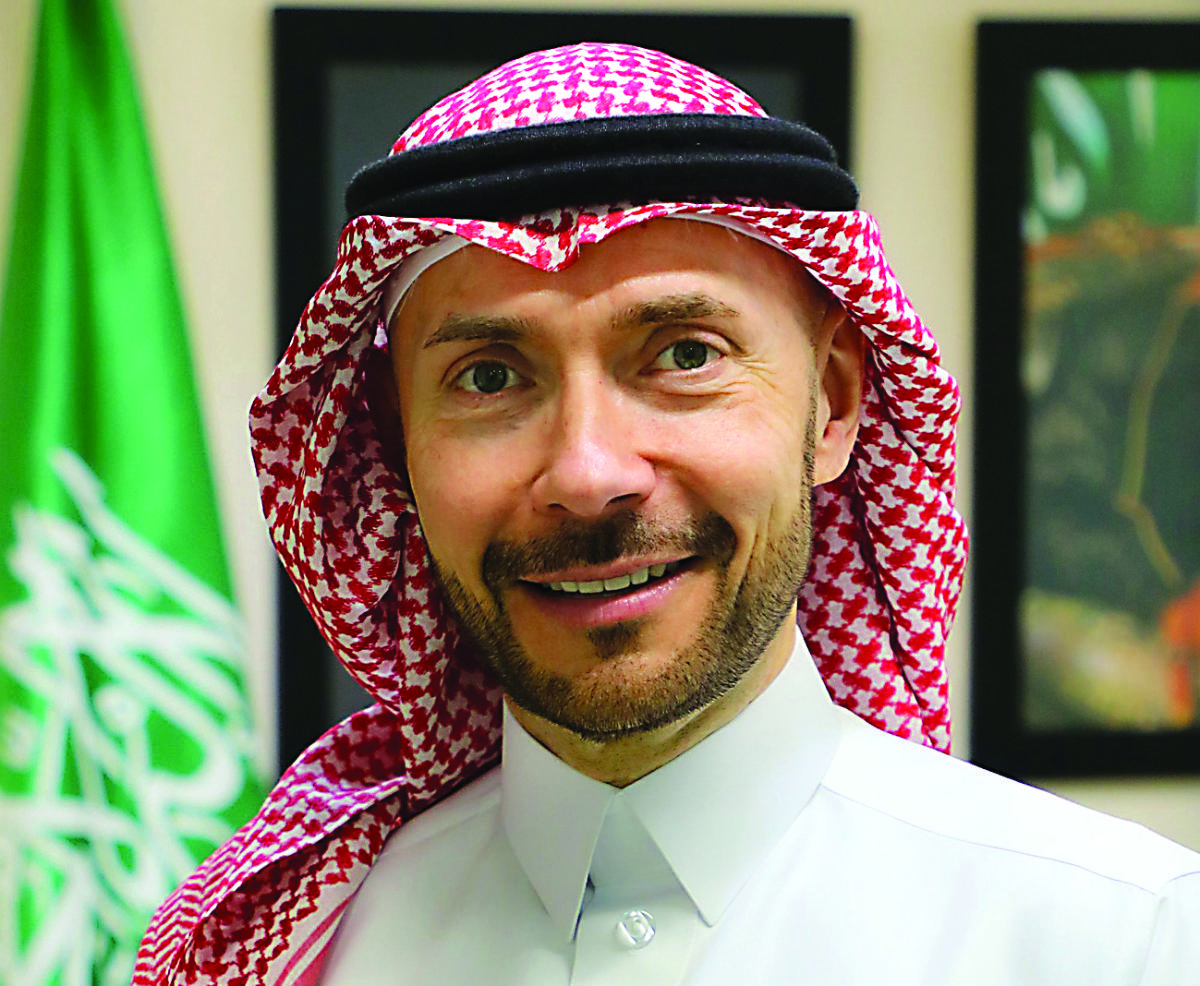


Dr. Steffen Sommer, Misk Schools director general

By providing a supportive environment, Mawhiba, along with Misk Schools, have been at the forefront of Saudi Arabia’s youth empowerment program.

Misk Schools, established in 2016 by Crown Prince Mohammed bin Salman, has identified and nurtured young Saudis’ abilities in several fields including artificial intelligence, space exploration, professional sports, and tourism.

Dr. Steffen Sommer, the school’s director general, said: “Empowering youth enhances their potential to innovate, drive entrepreneurship, and create jobs, which in turn boosts productivity and economic growth.

When you empower young people, they become self-assured, independent thinkers, motivated to pursue careers that contribute to their nation’s future, as well as their own.

Dr. Steffen Sommer, Misk Schools director general

“When you empower young people, they become self-assured, independent thinkers, motivated to pursue careers that contribute to their nation’s future, as well as their own.”

Mawhiba’s program to identify gifted young people aims to measure student talent in science, technology, and other areas of national priority, using an advanced scientific methodology for selection.
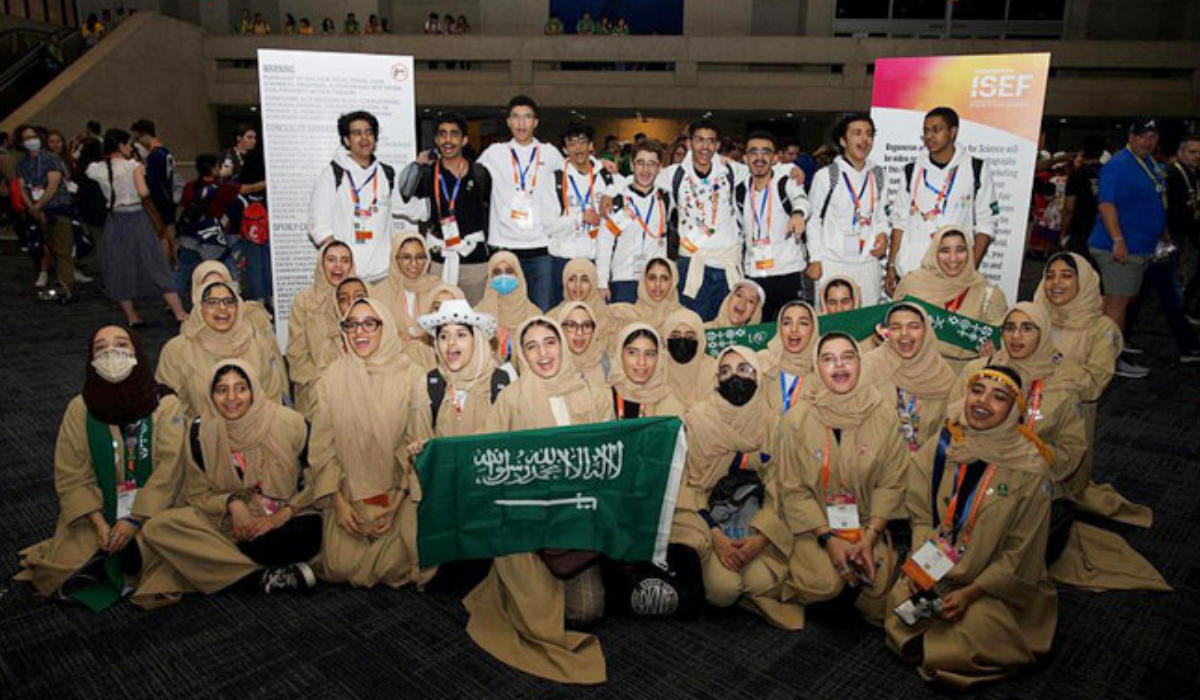


This year, Saudi students competed with more than 1,700 students from over 70 countries for major prizes at ISEF. (SPA)

Dr. Basil Al-Sadhan, Mawhiba’s deputy secretary-general, said: “By identifying gifted students, we are building a national base of talent that contributes to achieving the transformation of the Saudi economy.”

Once a gifted student has been identified, Mawhiba implements a four-part journey strategy that starts with an exploration stage which involves defining the individual’s interests and scientific capabilities.

They are then offered specialized programs, before being introduced to more advanced initiatives allowing them to communicate with scientists and specialists. A final communication stage provides an effective network for the exchange of experiences and services.



"As the go-to school for leadership, we are here to find and educate the future leaders of the Kingdom," said Dr. Steffen Sommer, the director general at Misk Schools. (SPA)

The scheme is accompanied by empowerment services and programs that include skills development and guidance.

“The program is directed to more than 180,000 gifted students discovered through more than half-a-million detection processes and offers intensive care through its 175 curricula designed for gifted students to improve their capabilities and develop their talent.

“The Mawhiba Foundation, since its inception more than a quarter-of-a-century ago, establishes a Saudi intellectual capital, considering that talent management is one of the most important pillars of development,” Al-Sadhan added.

The empowerment of youth is considered by the Saudi leadership to be important to increasing self-confidence, productivity, and innovation, in the process helping young people contribute to a vibrant society, thriving economy, and an ambitious nation.


Musaned confirms mandatory salary transfers for domestic workers via official channels

Updated 9 sec ago
Follow

Musaned confirms mandatory salary transfers for domestic workers via official channels

  • Move aims to protect wage-related rights, enhance transparency

RIYADH: All employers in Saudi Arabia have been informed they must transfer domestic workers’ salaries through official channels, starting from Jan. 1, 2026.

The move, confirmed through Musaned platform’s X account, aims to protect wage-related rights, enhance transparency and simplify employer-worker relationships.

The electronic payment service provided through Musaned will use approved digital wallets and participating banks to ensure reliability, security and consistency in wage transfers.

Lawyer Majed Garoub told Arab News that the new regulation would help tackle persistent issues in employer-worker relationships, especially disputes over unpaid wages.

He said: “This regulation will significantly help resolve many problems that arise when domestic workers leave the country without proper verification of receiving their full rights.”

Garoub explained that informal salary payments were common in the past, often made without proper documentation or signatures.

This, he added, made it challenging for Saudi employers to prove they had paid all wages if workers later filed claims after returning to their home countries.

The new regulation, which has been rolled out in stages, began with domestic workers newly arriving in the Kingdom on July 1, 2024.

It was then extended to employers with four or more domestic workers in January 2025, followed by those employing three or more by July 2025.

The latest stage, which took effect on Oct. 1, applies to employers with two or more domestic workers. This phased approach has ensured a smooth adoption of the system for all employers.

Garoub said the regulation would bring broader legal and security benefits. He explained that informal salary payments had, at times, enabled illegal practices.

He added: “Workers might have falsely claimed unpaid wages or engaged in activities outside their employment.”

Such funds, he added, could even have contributed to crimes like money laundering or the financing of terrorism.

He said: “By mandating official payment channels, this regulation protects the Saudi economy, national security, and international financial systems.”

The Musaned platform offers significant advantages for both employers and workers. Employers gain a reliable salary verification mechanism that simplifies end-of-contract and travel-related procedures, while workers benefit from consistent, secure and timely payments.

The system also allows domestic workers to transfer their earnings to family members abroad through trusted channels.

For those who prefer cash withdrawals, a Mada card will be issued for secure and convenient access to salaries.

According to Musaned, salary transfers for workers covered under the Wage Protection System must be made through authorized channels.

This regulatory change marks a significant step forward in protecting the rights of domestic workers, ensuring transparency in employer-employee relationships, and bolstering the Kingdom’s economic and security interests.