MAKKAH: The Royal Commission for Makkah City and Holy Sites has decided to allow companies that provide services to foreign pilgrims to remain at their locations at the holy sites for three years.
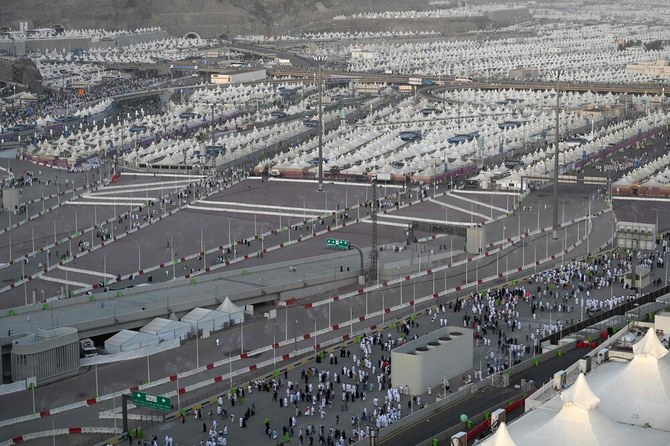
The Al-Khayyam tent project in Mina was developed after a fire broke out during Hajj season in 1997. The Saudi authorities have come up with many ideas to redevelop the area through projects in places allocated to pilgrimage service companies, which are investing in higher quality services in Arafat and Mina.
Ahmed Saleh Halabi, the Hajj and Umrah services adviser, said: “Over the years the companies would have to remove all the work that has been established at the locations of the pilgrims’ camps at the holy sites of Mina and Arafat.
“After developed tents were set up in Mina, the requests were then limited to Arafat. The majority of the work done by the companies was then removed after pilgrims would leave Arafat, despite the high costs.”
The new policy allowing the companies to remain at their locations is proving to be beneficial.
“We noticed this through the non-Arab African pilgrims’ company, which benefited from this step by removing the traditional tents in the Arafat site and setting up developed tents with outstanding international specifications. These tents are resistant to light, heat, water, fire, wear and UV,” Halabi said.
“If such tents were removed after the pilgrimage, the company will be affected by the high financial cost. Moreover, the materials used will wear off due to tying and untying them. Keeping them in place reduces the costs, preserves the tents and makes it easier to carry out maintenance.”
Maintaining a camp throughout the year would allow the companies providing services to foreign pilgrims to benefit from the location and use it as a residential place for pilgrims “where they can experience the ambiance of the Day of Arafat and remember the greatness of this place and time,” Halabi said.
Companies can also organize trips for pilgrims where they can spend a day in the camp and perform their pilgrimage rituals. The camps would be open throughout the year, with services including electricity, water, sanitation and internet.
Dr. Samir Barqah, a researcher specializing in Makkah’s history, said that keeping the camps for over three years would help improve the service, especially as they had spent millions to invest in the holy sites.
He also said that keeping the tents would contribute to developing the service industry.


![]()

Hajj service providers given leave to remain at holy sites
Short Url
https://arab.news/mbg9y
Hajj service providers given leave to remain at holy sites
- Royal Commission for Makkah says tents can stay up for three years
- Move will cut costs, provide year-round facility, official says


Latest updates




© 2026 SAUDI RESEARCH & PUBLISHING COMPANY, All Rights Reserved And subject to Terms of Use Agreement.