

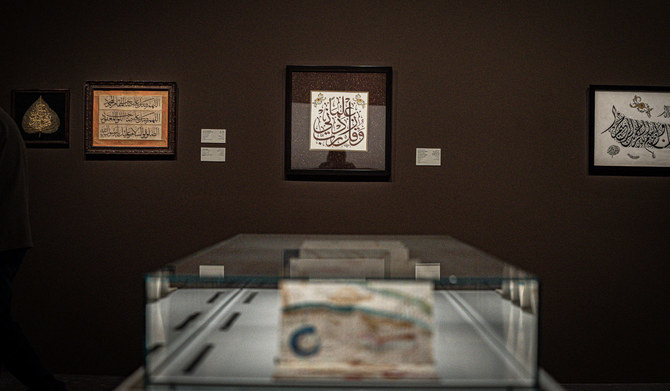


RIYADH: The second “Scripts and Calligraphy: Paths of the Soul” exhibition is being held at Irqah Hospital in Riyadh until Sept. 2, highlighting the spiritual dimensions of the art form through historical and contemporary works.
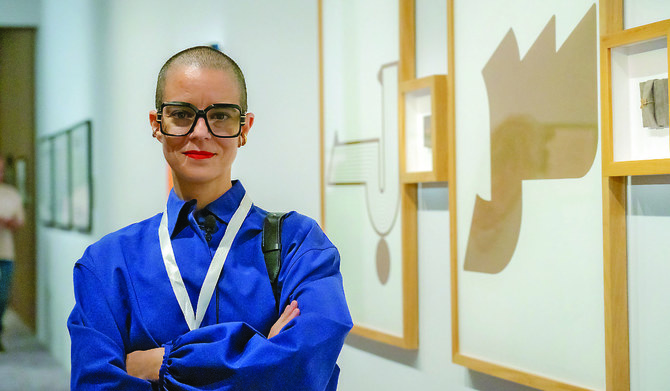
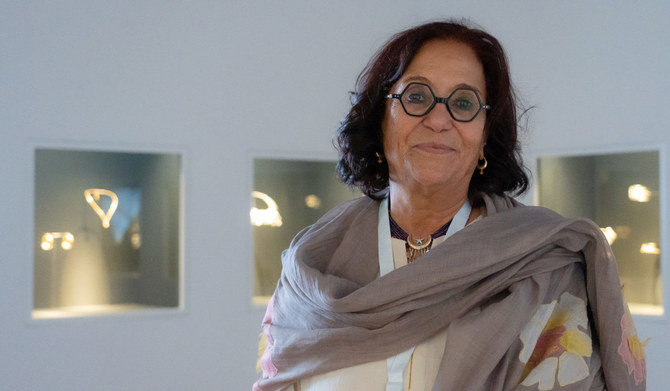
Organized by the Ministry of Culture, the exhibition includes art by Saudi calligrapher and visual artist Bayan Barboud and Egyptian jewelry designer Azza Fahmy.
Acclaimed architects and scenographers Jean-Paul Boulanger, Margo Renisio, and Tang Tu designed the exhibition, while 34 calligraphers from 11 countries, as well as 19 artists from 12 countries, are participating under four themes: light, letters, space, and poetry.
The exhibition will give visitors the opportunity to explore the history of Arabic calligraphy through the ages, highlighting its aesthetic and functional dimensions as an art form and a symbol of identity and heritage.
The ‘Scripts and Calligraphy: Paths of the Soul’ exhibition is being held at Irqah Hospital in Riyadh until Sept. 2. (AN photo by Huda Bashatah)
Speaking on the inspiration behind her designs, Fahmy said: “We always do culture-specific collections inspired by either important books, civilizations, persons or writers. We take quotes from them, and we design them in our jewelry.”
FASTFACTS
• Saudi Arabia led a successful collaboration with 15 Arab countries to include Arabic calligraphy on UNESCO’s list of Intangible Cultural Heritage, consolidating its status as a global symbol of Arab culture.
• Organized by the Ministry of Culture, acclaimed architects and scenographers Jean-Paul Boulanger, Margo Renisio, and Tang Tu designed the ‘Scripts and Calligraphy: Paths of the Soul’ exhibition.
• 34 calligraphers from 11 countries, as well as 19 artists from 12 countries, are participating under four themes: light, letters, space, and poetry.
Lara Assouad, a Lebanese type and graphic designer, is participating in the exhibition with a collection of calligraphic letters.
On the spiritual dimension of her work, Assouad commented that the letters "represent values or the name of somebody we love, or some word that we want to keep being reminded of."
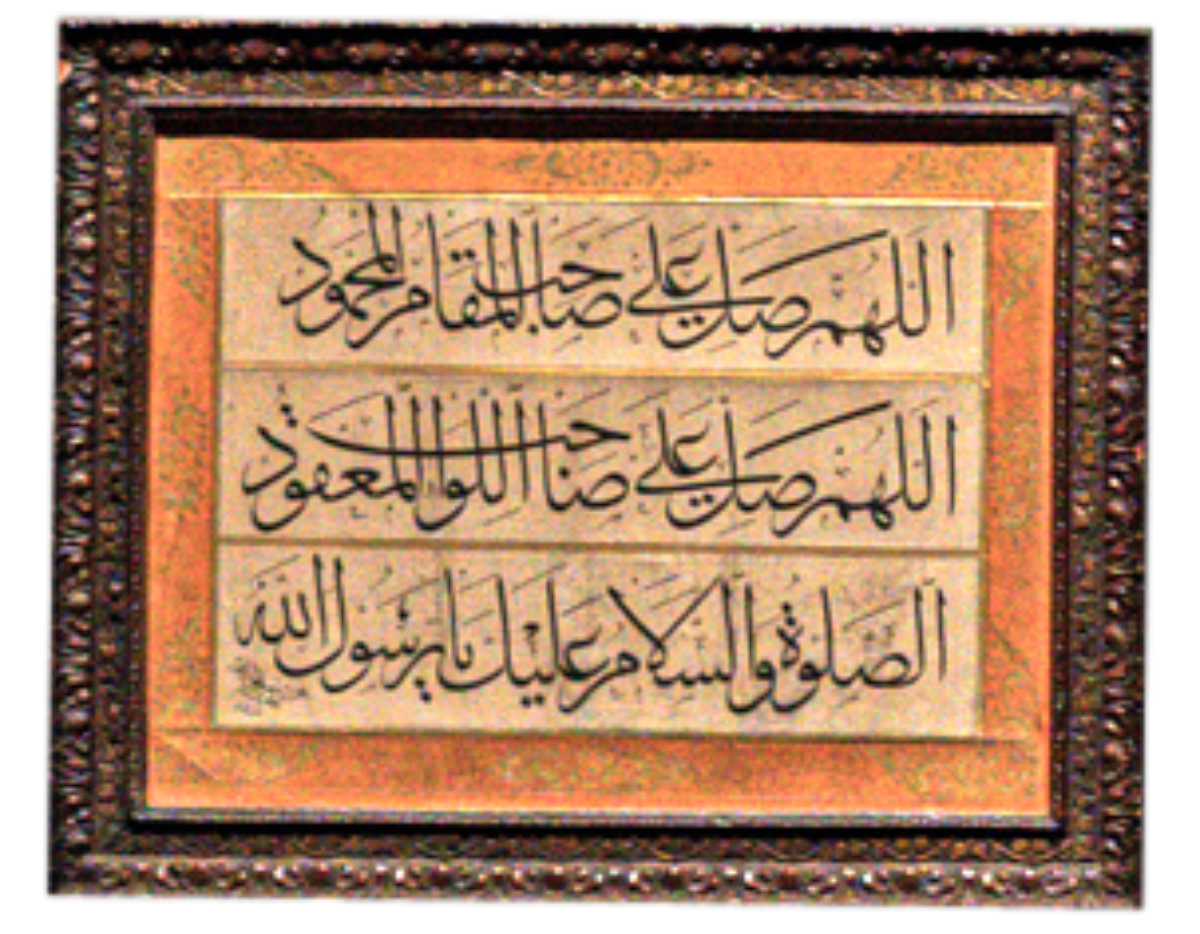
The ‘Scripts and Calligraphy: Paths of the Soul’ exhibition is being held at Irqah Hospital in Riyadh until Sept. 2. (AN photo by Huda Bashatah)
Explaining the creative process behind her pieces, she added: “When it comes to the actual size of the letters in the scale, they are supposed to be small intimate letters. But you have to design, and when you design, you design big — you design on a screen. It doesn’t matter if you print the letters to be small or large.”
She digitally designs the type, which is then printed, fashioned into a decorative item or used in a variety of other ways.
“One is made to be embroidered. This one is made to be cast like an object. And the other one is made to be engraved, as on a copperplate.”
(The letters) represent values or the name of somebody we love, or some word that we want to keep being reminded of.
Lara Assouad, Lebanese graphic designer
Mei Ling, a teacher from Shanghai visiting the exhibition, said that the calligraphy displays had given her new insight into the attention to detail that goes into designing Arabic letters with the correct proportions.
The event opens its doors daily, from 11 a.m. to 11 p.m., except on Sundays, and from 2 p.m. to 11 p.m. on Fridays.
In 2021, the Ministry of Culture organized the first edition of the exhibition titled: “Scripts and Calligraphy: A Timeless Journey” at the National Museum in Riyadh.
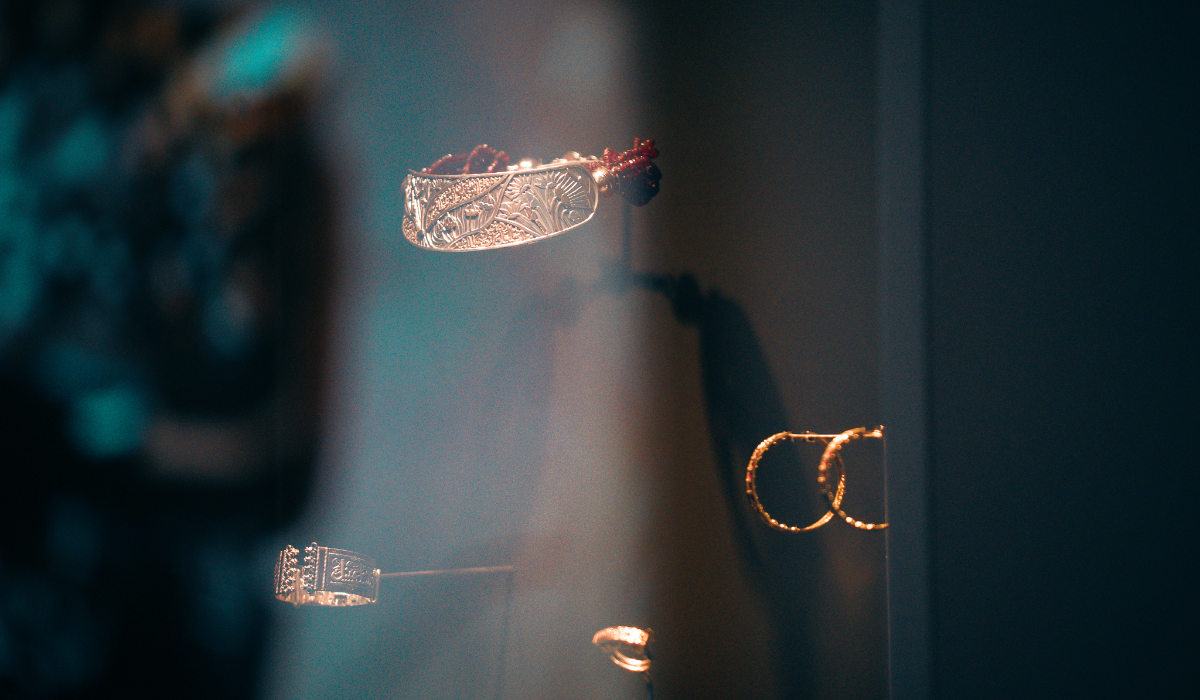
Some of Azza Fahmy’s designs at the exhibition. (AN photo by Huda Bashatah)
In recognition of the distinctive tradition, the ministry has launched several programs and initiatives to celebrate its significance, such as the designation of 2020 as the Year of Arabic Calligraphy.
Saudi Arabia also led a successful collaboration with 15 Arab countries to include Arabic calligraphy on UNESCO’s list of Intangible Cultural Heritage, consolidating its status as a global symbol of Arab culture.


