WASHINGTON: US negotiators taking part in talks in Saudi Arabia aimed at extending a cease-fire between rival armed forces in Sudan are “cautiously optimistic,” US Under Secretary of State Victoria Nuland said on Wednesday, as she faced criticism from senators over the administration’s handling of issues in Sudan.
Testifying at the Senate Foreign Relations Committee, Nuland said she had spoken on Wednesday morning with US officials at the talks that began on Saturday between the army and rival paramilitary Rapid Support Forces (RSF) in the Saudi Red Sea city of Jeddah.
Both sides have failed to abide by repeated truce deals.
“Our goal for these talks has been very narrowly focused: first securing agreement on a declaration of humanitarian principles and then getting a cease-fire that is long enough to facilitate the steady delivery of badly needed services,” Nuland said.
“If this stage is successful — and I talked to our negotiators this morning who are cautiously optimistic — it would then enable expanded talks with additional local, regional and international stakeholders toward a permanent cessation of hostilities, and then a return to civilian-led rule as the Sudanese people have demanded for years.”
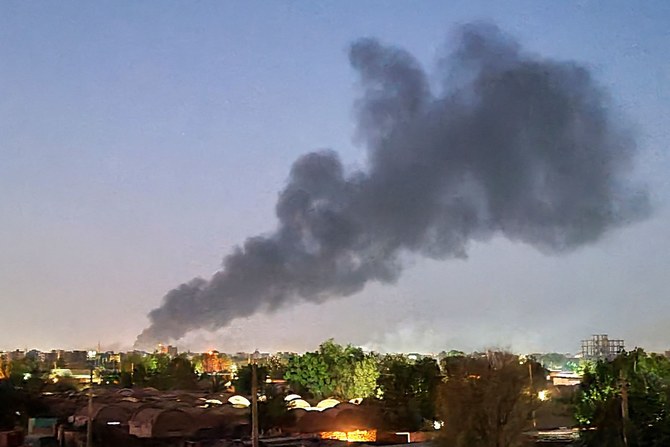
The fighting in Khartoum, which erupted April 15, has prompted hundreds of thousands of people to flee their homes and triggered an aid crisis. The people internally displaced within Sudan more than doubled in a week to 700,000, the United Nations’ migration agency said.
Republican and Democratic senators at the hearing questioned Nuland on Washington’s policy toward Sudan, raising the evacuation of Americans since fighting broke out last month and why sanctions were not imposed following the 2021 coup.
The army, under General Abdel-Fattah Al-Burhan, and the RSF under General Mohamed Hamdan Dagalo, known as Hemedti, had joined forces in the military coup, reconfiguring a planned transition to civilian rule.
But the rival military factions fell out over the transition terms and timing, leading to the sudden explosion of fighting in Khartoum in April.
Nuland said Washington did institute harsh penalties against Sudan that were internally controversial, including suspending bilateral aid and debt relief and imposing sanctions last year on Sudan’s Central Reserve Police. Neither Burhan nor Hemedti are under US sanctions.
Nuland added that Washington was looking at appropriate targets, particularly if the generals do not agree to allow humanitarian aid and a cease-fire, after US President Joe Biden signed an executive order last week laying the groundwork for potential Sudan-related sanctions.
“We have the sanctions tool now that can allow us to continue to pressure them,” she said.


![]()

US negotiators at Sudan talks in Jeddah are ‘cautiously optimistic’: Nuland
Short Url
https://arab.news/64ghb
US negotiators at Sudan talks in Jeddah are ‘cautiously optimistic’: Nuland
- Testifying at the Senate Foreign Relations Committee, Nuland said she had spoken on Wednesday morning with US officials at the talks that began on Saturday
- “If this stage is successful — and I talked to our negotiators this morning who are cautiously optimistic,” she said


Latest updates


© 2026 SAUDI RESEARCH & PUBLISHING COMPANY, All Rights Reserved And subject to Terms of Use Agreement.