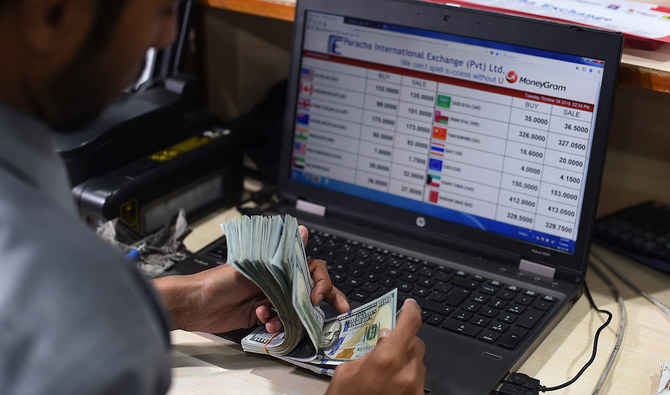

ISLAMABAD: Pakistanis living abroad have sent $2.5 billion home in March, responding to the cash-strapped government's appeal for more hard currency remittances, the country's central bank said Monday.
The sum represents a 27.4% increase compared to February and is the highest in seven past months, according to a tweet by the State Bank of Pakistan. The announcement offered some hope for improving Pakistan's ailing economy, officials said. The remittances came mainly from Pakistanis living in the United States, Britain and the Middle East.
Pakistan is grappling with one of its worst economic crises, exacerbated by last summer’s devastating floods that killed 1,739 people, destroyed 2 million homes and caused $30 billion in damages.
The impoverished country also has been hit by a wave of violence, which last week prompted top political and military leaders to order new operations against the Pakistani Taliban, a militant group that is separate but allied with the Afghan Taliban. The Pakistani Taliban have stepped up attacks on security forces since unilaterally ending a cease-fire with the government last November.
Pakistan is in the final phase of talks with the International Monetary Fund to secure a crucial instalment of $1.1 billion loan from a $6 billion bailout package. The tranche has been on hold since December over Pakistan’s failure to meet the terms of a previous deal, signed in 2019 by then-Prime Minister Imran Khan.
Economists fear a failure to get the IMF loan would spark a surge in inflation. About 21% of Pakistan’s 220 million people live in poverty.
Prime Minister Shahbaz Sharif has blamed Khan, now opposition leader, for much of the economic demise, saying the former cricket star turned Islamist politician violated the terms of the 2019 agreement with the IMF.
Sharif has also asked his finance minister, Ishaq Dar, to sit out a trip to Washington on Monday for the annual meeting of the Word Bank and the IMF because of the country's dire economic crisis. Dar will instead join the gathering virtually.
Khan was ousted in a no-confidence vote in Parliament in April 2022 and has campaigned demanding Sharif schedule early elections. In a speech to lawmakers Monday, Dar accused Khan of intentionally deepening the crisis to harm the country.
“We will put Pakistan back on the path of progress,” Dar said in Parliament, claiming that Pakistan managed to avoid default “by the grace of God” and “because of the timely measures” taken by Sharif's administration.
Foreign exchange reserves, which last month fell to below $3 billion, have also witnessed an improvement and now stand at $9 billion, Dar said.