



QUETTA: It was well past midnight when Muhammad Asif sat down with a group of friends at a roadside restaurant in Pakistan’s southwestern Quetta city earlier this week.
Like dozens of others around them, Asif and his friends would remain there almost until 4am, chatting and laughing over multiple cups of piping hot tea.
In Balochistan’s provincial capital of Quetta, gathering with friends and family at roadside cafes after the fast-breaking evening feast known as iftar and staying there until the pre-fast sehri, or suhoor, meal has become somewhat of a tradition. People arrive at tea restaurants scattered throughout the city after iftar, usually after they are done with voluntary late night prayers known as taraweeh, and stay until dawn.
“After iftar, people often go for outings with friends, with relatives … until sehri, they sit outside, it is a way of passing time for them,” Asif told Arab News at ‘Chai Kada,’ a famous tea restaurant located on Quetta’s Samungli Road.
“Since this is the norm here, we are also following the norm. It gives us energy to sit here with friends,” Asif added, smiling, “and tea doubles the energy.”
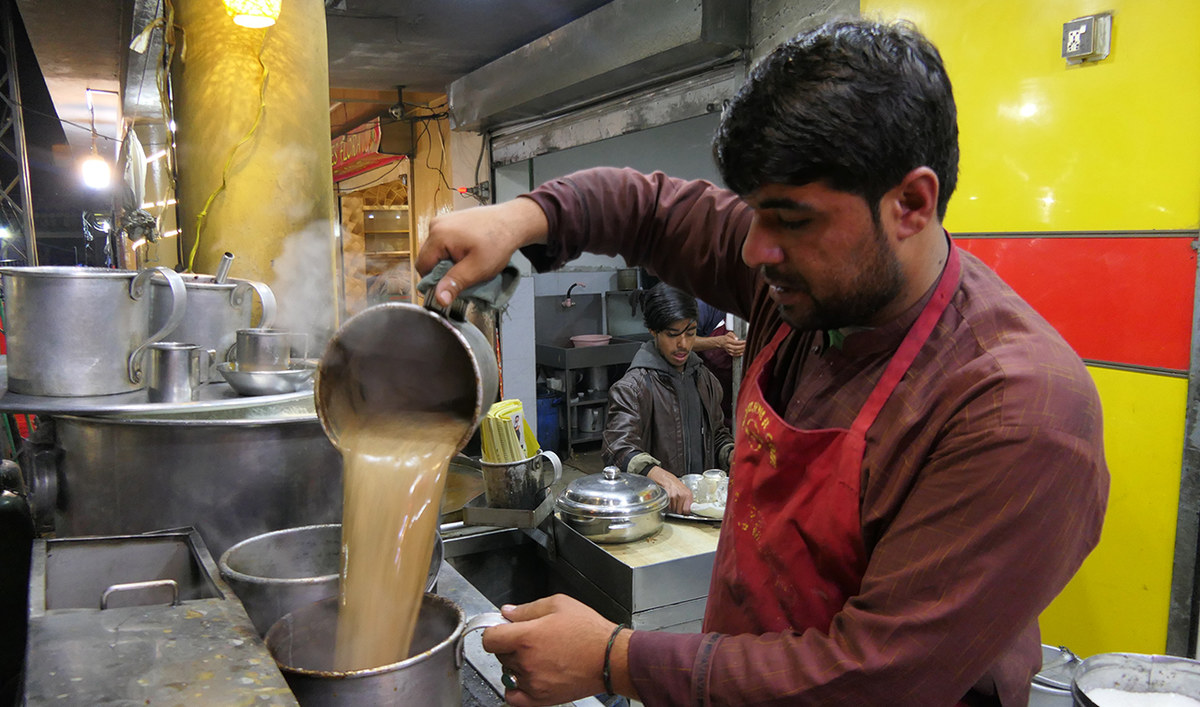
Syed Aziz ud Din on the right busy in his restaurant's kitchen to make tea for the customers in Quetta Pakistan on March 29, 2023. (AN Photo)
Pakistan is the largest international tea importer in the world, spending over $600 million on the product each year. According to the Pakistan Tea Association (PTA) which represents importers, Pakistan annually imports 250 million kilograms of tea.
But with inflation at a 50-year high in Pakistan, the price of one kilogram of tea has risen to Rs1,700 ($5.99) this year from Rs1,400 ($4.94) last year, forcing tea restaurants to hike the price of a cup of tea from Rs60 ($0.21) to Rs80 ($0.28) in Ramadan.
Despite the inflationary pressures, and Quetta’s chilly weather, people still throng to restaurants late into the night, with vendors and waiters saying they have to double their supplies of tea and milk to keep up with demand.
“On normal days, we order 100 kilograms of milk for our hotel but in Ramadan, we increase the milk order to 200 kilograms from dairy farms because of the rush of customers who come after taraweeh prayers.” Khursheed Ahmed, a 25-year-old tea maker at Chai Kada, told Arab News.
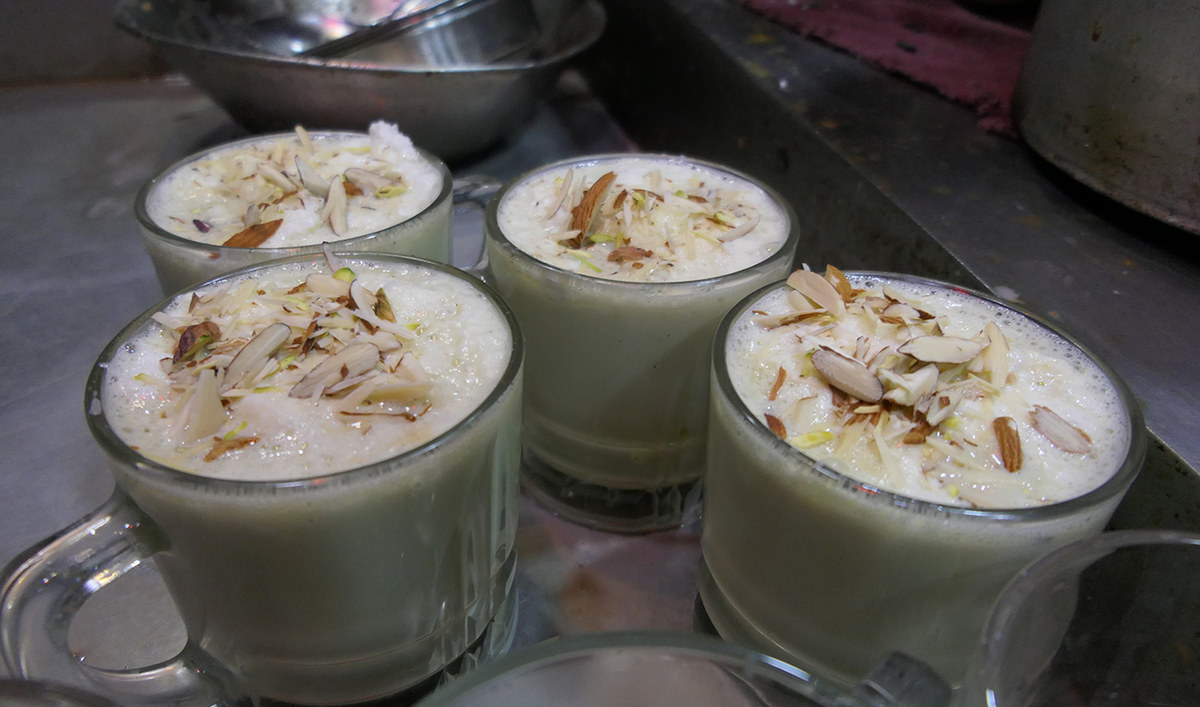
Tandoori Chai, the most favorite one, is ready to be served for the customers in Quetta Pakistan on March 29, 2023. (AN Photo)
As the tea keeps flowing, the customers keep showing up.
“We have 18 types of tea on our menu but Kashmiri Chai, Tandoori Chai, green tea, coffee and chocolate chai are the most favorite items in Ramadan,” the owner of Chai Kada, Syed Azizuddin, told Arab News, saying people loved their tea with a side of paratha, a type of oily flatbread.
“Our ‘matka chai’ [served in clay cups] is the most famous,” Ahmed, the tea maker, said. “We also serve 10-12 types of parathas and 8-9 types of tea, including Kashmiri, coffee, green tea, lemon tea, but the best of all is matka chai, tandoori and raisin tea.”
Behind Ahmed, another tea maker brewed black tea in milk, sweetened it with dollops of sugar and added aromatic herbs and spices before pouring it into individual clay mugs and topping each serving off with a scoop of steamed milk.
As he rushed to serve the order to a table full of young men, another party of almost twenty people arrived at the cafe.
“In Quetta, 100 percent people fast in Ramadan and they stay outside until sehri time,” Azizuddin said. “They go back home at the time of sehri, so this is why there is such a rush at our hotels.”


