
DUBAI: The average person spends almost one-third of their life asleep — a necessary biological function that allows our bodies to rest and recover, support mental wellbeing, restock our immune system, and regulate our metabolism.
However, one of the most common complaints among people of all backgrounds is a persistent feeling of tiredness and a sense we are not getting enough quality sleep, leaving us unable to focus, regulate our emotions, fend off illness, or control our appetite.
For decades, studies on the topic of sleep have confirmed a growing prevalence of sleep disorders, threatening the health and quality of life of at least 45 percent of the world’s population.
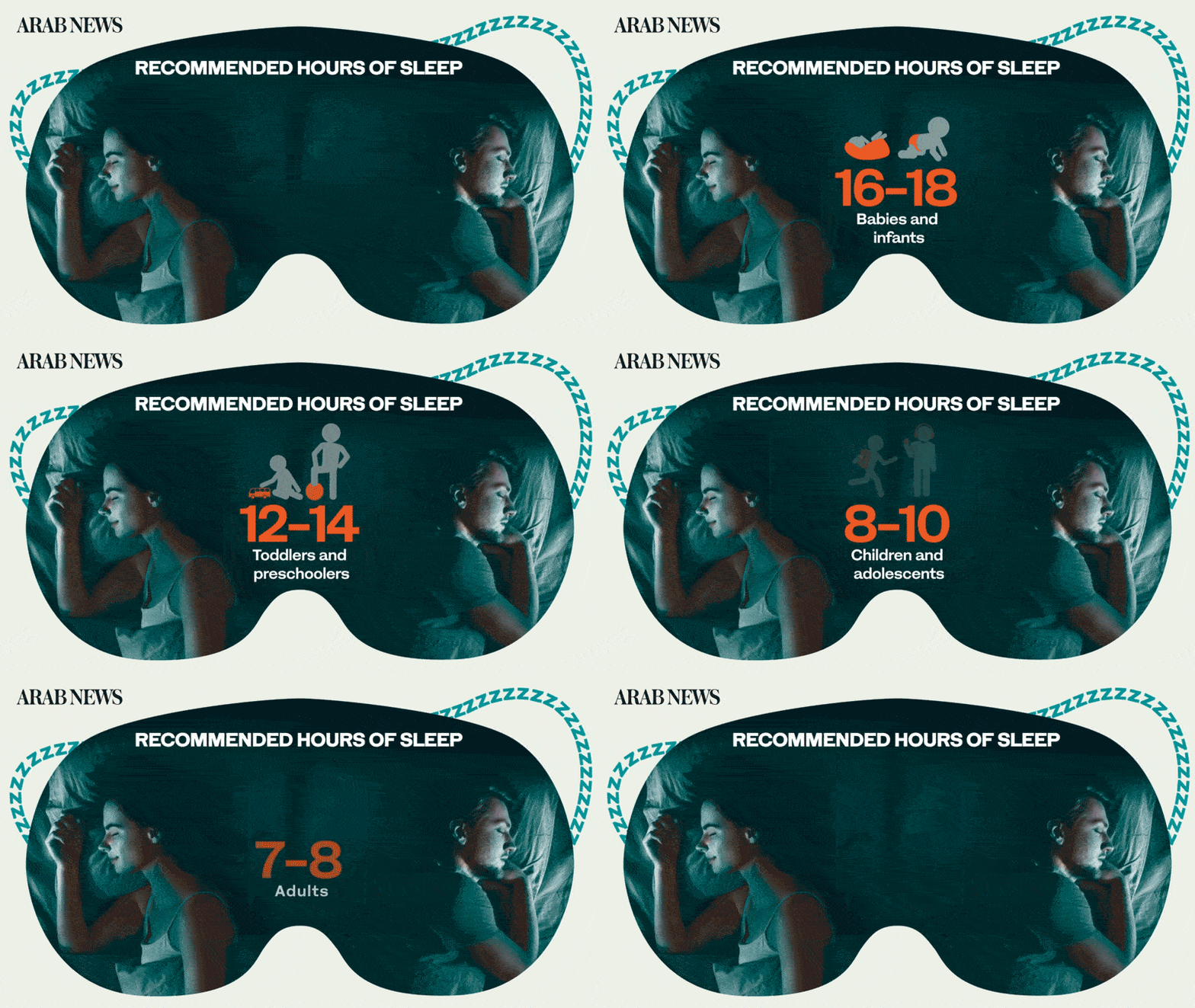
On World Sleep Day, marked every year on March 17, experts emphasize the importance of getting at least seven to eight hours of sleep per night. This year, sleep health awareness activities are taking place under the theme “Sleep is essential for health.”
Anxiety, excessive screen time, and more recently the consequences of the coronavirus pandemic have all been cited as common causes of disturbed sleep and sleepless nights.
Dr. Rasha Mahmoud, head of the pulmonology and sleep unit at the Almana Group of Hospitals in Saudi Arabia, told Arab News: “Almost 40 percent of people in the Middle East are affected by sleep disorders, with obstructive sleep apnea syndrome being the most common disorder.”
A study on the global prevalence and burden of OSA, published in June by the US National Library of Medicine, showed that almost 1 billion people worldwide were affected by the sleep condition, with prevalence exceeding 50 percent in some countries.
OSA occurs when the throat muscles intermittently relax and block the airways during sleep, obstructing normal breathing for around 10 seconds before the sufferer jolts awake.
“Symptoms of this disorder include snoring, excessive daytime sleepiness, and morning headaches,” Mahmoud said.
In Saudi Arabia, sleep issues seem to be significantly worse than in many other countries.
According to a 2015 report from the mobile app Sleep Cycle, the Kingdom ranked second only to Japan in its list of the world’s five worst countries for average sleeping hours.
The Saudi Medical Journal confirmed that short sleep duration per night was prevalent in Saudi Arabia and affects one in every three Saudi adults.
“There are multiple factors that impact the quality and duration of sleep, starting with anxiety along with sedentary lifestyle diseases,” Mahmoud added.
Specific jobs that require long or unfixed working hours and night shifts are another factor impacting the quality of sleep among Saudis.
Mahmoud said: “High screen time, be it on social media or even gaming, can also affect the quality of sleep leading to various sleep disorders.”
The Kingdom ranks third globally for smartphone usage, at 24.2 million users, with almost 75 percent of the population using smartphones and more than 95 percent the internet.
Dr. Vishwanath Gowraiah, head of the pediatric sleep medicine department at Danat Al-Emarat Hospital in Abu Dhabi, told Arab News: “Globally, we are seeing a rise in sleep disorders due to several lifestyle changes.
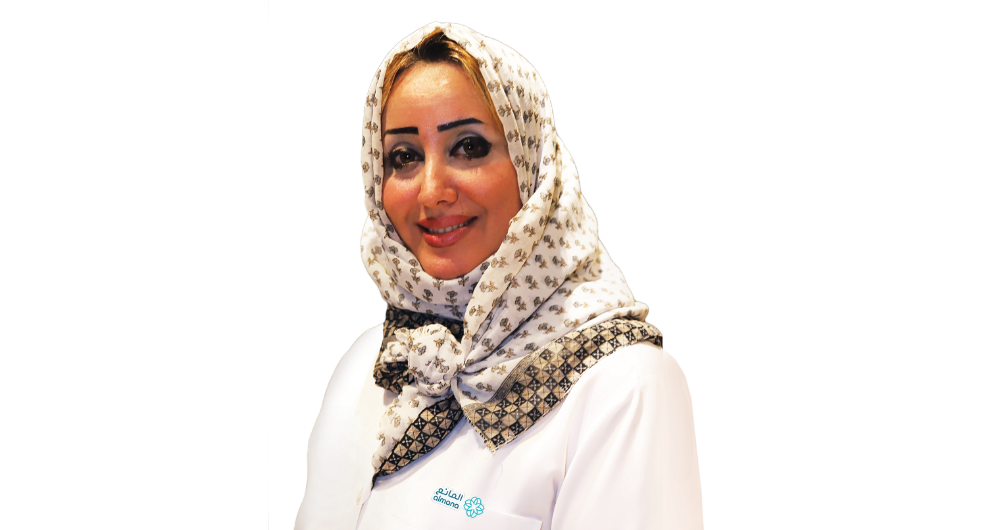
Dr. Rasha Mahmoud, head of the pulmonology and sleep unit at the Almana Group of Hospitals in Saudi Arabia.
“This has come to impact both the quality of sleep that individuals are receiving and quantity.”
He noted that sleeping disorders could affect young children from birth and persist into middle childhood and beyond.
Such disorders include OSA, parasomnias such as teeth grinding and sleepwalking, sleep terrors, confusional arousals known as ‘sleep drunkenness’ and nightmares, as well as delayed sleep-wake phase disorder, which is often seen in adolescents.
Meanwhile, adults generally suffer from sleep disorders such as obesity-related OSA, insomnia, narcolepsy, which makes people very drowsy during the day, shift work disorders and sleep-related movement disorders.
Gowraiah said: “Sleep helps the body undertake restorative measures to help us feel better, more alert, energetic, and awake.
“It helps us perform our day-to-day tasks and protects us from potential mental health triggers and allows the body to undergo vital maintenance to repair and regrow tissue, build bone and muscle, while also restoring the immune system.”
In fact, deep sleep has proven to support the release of growth hormones, to repair damage in the body, and to allow various systems to recover.
A lack of sleep, meanwhile, affects everything from memory, learning and performance to appetite and the ability to think clearly.
“If a person is chronically sleep-deprived, they may even experience neurological issues like mood swings and hallucinations,” Gowraiah added.
TIPS FOR BETTER SLEEP
Regulating your sleep schedule: Try going to bed and waking up at the same time even on the weekends. This consistency will help your body develop a sleep-wake cycle.
Eating habits: Avoid heavy meals a few hours before your scheduled bedtime. Stimulants including nicotine, caffeine, and alcohol can also interfere with your sleep.
Create a peaceful setting: Calming yourself down before bed will help you deepen your sleep. Avoid the use of light-emitting screens just before bedtime. Include calming activities such as taking a bath or reading.
Physical activity during the day: Regular physical activity can promote better sleep. Stress management: Attempt to settle any of your worries or stresses before bedtime by getting organized or setting your daily priorities.
Source: Dr. Rasha Mahmoud, head of the pulmonology and sleep unit at the Almana Group of Hospitals in Saudi Arabia
Additionally, there is a higher risk of developing various health conditions or chronic health problems including obesity, diabetes, heart disease, high blood pressure, or sleep apnea.
“Some studies have shown that deprived rapid eye movement stage shortens lifespan and decreases immune function,” he said.
REM is one of several stages in the architecture of sleep. It happens about one hour after falling asleep and is when we tend to have our most vivid dreams. If the architecture of REM and non-REM sleep is disrupted, we can wake up feeling poorly rested.
As sleep problems are becoming more common among adults, experts are keen to develop better public understanding of the causes of disrupted sleep, and greater awareness of the available remedies can help reduce the burden of sleep disorders on society.

Dr. Vishwanath Gowraiah, head of the pediatric sleep medicine department at Danat Al-Emarat Hospital in Abu Dhabi.
A study published by the American Journal of Managed Care in 2007 estimated the annual costs of insomnia to be between $92.5 billion and $107.5 billion. This figure is likely to be far higher today.
Another study published by the Journal of Occupational and Environmental Medicine in 2010, based on staff questionnaires at four US corporations, said that fatigue-related productivity losses resulting from bad sleep were estimated to cost $1,967 per employee per year.
So why do so many people still underestimate the power of sleep and the impact it has on their well-being and quality of life?
Dr. Saliha Afridi, managing director of The LightHouse Arabia, a Dubai-based mental health and wellness clinic, told Arab News: “They think of sleep as rest, but they don’t realize that poor sleep impacts every part of your physical and mental health, even on a cellular level.”
Most people were operating “from a place of sleep debt,” she said, while also failing to understand that learning how to get a good night’s sleep was an important stress management and life skill.
“Sleep is done at night but is created in the day. Everything you do from the moment you wake up to the time it is time to lay in bed will impact how deeply you will rest that night.”
Afridi pointed out that a person’s risk of heart disease increased by 45 percent if they were sleep deprived, while those who slept six hours a night or less were five times more likely to suffer a heart attack than those who slept a full eight hours.
The same increased risk applies to conditions such as diabetes, high blood pressure, stroke, cancer, and hyperglycemia.
“Not all sleep is created equal. You require sufficient levels of deep sleep at night for your body to recover as well as for learning to consolidate,” Afridi added.
Healthy adults should get between seven and eight hours of sleep every night between the hours of 10 p.m. and 5 a.m., she said. “If they wake up in the middle of the night, they should be able to go back to sleep in 20 minutes or so.”

Dr Saliha Afridi.
Daytime naps are not recommended for those who are trying to regulate their sleep, she added.
Achieving the required hours of sleep was a particular challenge for many people during the pandemic. In fact, experts coined the term “COVID-somnia” in 2020 to describe difficulty falling asleep or staying asleep due to pandemic-related stressors or worries.
Afridi said: “The uncertainty and volatility that people experienced during the pandemic has continued since then and has impacted people’s mental health.”
She noted that nearly every mental health diagnosis had a sleep component to it, meaning a person’s psychology had a big impact on their sleep.
She also pointed to compromised physical health caused by long COVID or the after-effects of the virus, workplace stress due to hybrid working, and burnout for caregivers and essential workers who overextend themselves during the pandemic, all of which impacted the quality and quantity of sleep many were getting.
“We also see many people suffering with poor sleep due to mental health issues like anxiety and depression.
“Sleep is not just rest. It is the single most effective thing you can do for your brain and your body,” Afridi added.