



ISLAMABAD: The Citizens Foundation (TCF), one of Pakistan’s leading organizations in the field of education for the less privileged, operates over 1,800 schools across the country, with 120 of the facilities built and being run with the help of private Emirati donors, the non-profit organization said in a statement.
TCF started its journey in 1995 when six Pakistanis put their own money into a pilot to build five schools in Karachi's slums. Today, 28 years later, the foundation operates 1,833 school units across 63 districts of the country.
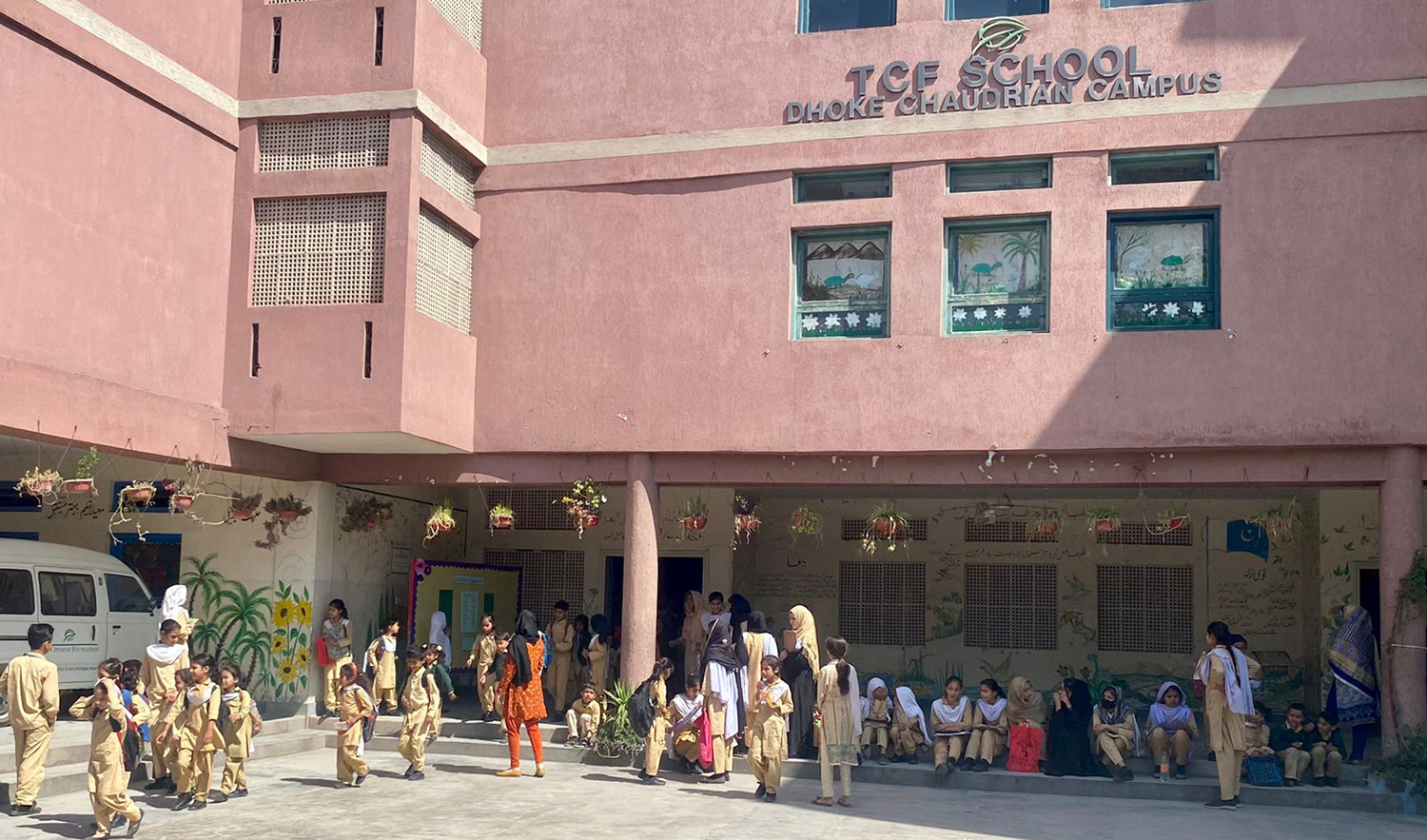
An exterior view of The Citizens Foundation (TCF) school in Rawalpindi, Pakistan on March 13, 2023. (AN photo)
TCF established its first international chapter in the UAE in 2004 and is registered with the International Humanitarian City in Dubai.
“In UAE, TCF has a vibrant community of supporters and donors who have built more than 80 schools and are currently supporting more than 120 school units,” TCF said in a statement, adding that 53,000 students had graduated from TCF schools so far.
Emirati donors have helped to cover construction as well as operational and educational costs for the schools they support, TCF said. It did not provide details of the donors for reasons of confidentiality.
Ahsan M. Saleem, the founding director and chairman of the TCF board, said 280,000 children were currently enrolled at the foundation’s school units across Pakistan, with the aim to increase this number to two million by 2030.
“This impact would have not been possible without our supporters in the UAE who are wholeheartedly committed to the cause of education in Pakistan and are unflinching in their support,” Saleem told Arab News. .
According to the United Nations Children's Fund (UNICEF), Pakistan has the second-highest number of out-of-school children globally, with an estimated 22.8 million children aged between 5 to 16 not attending school, which accounts for 44% of the total population in this age group.
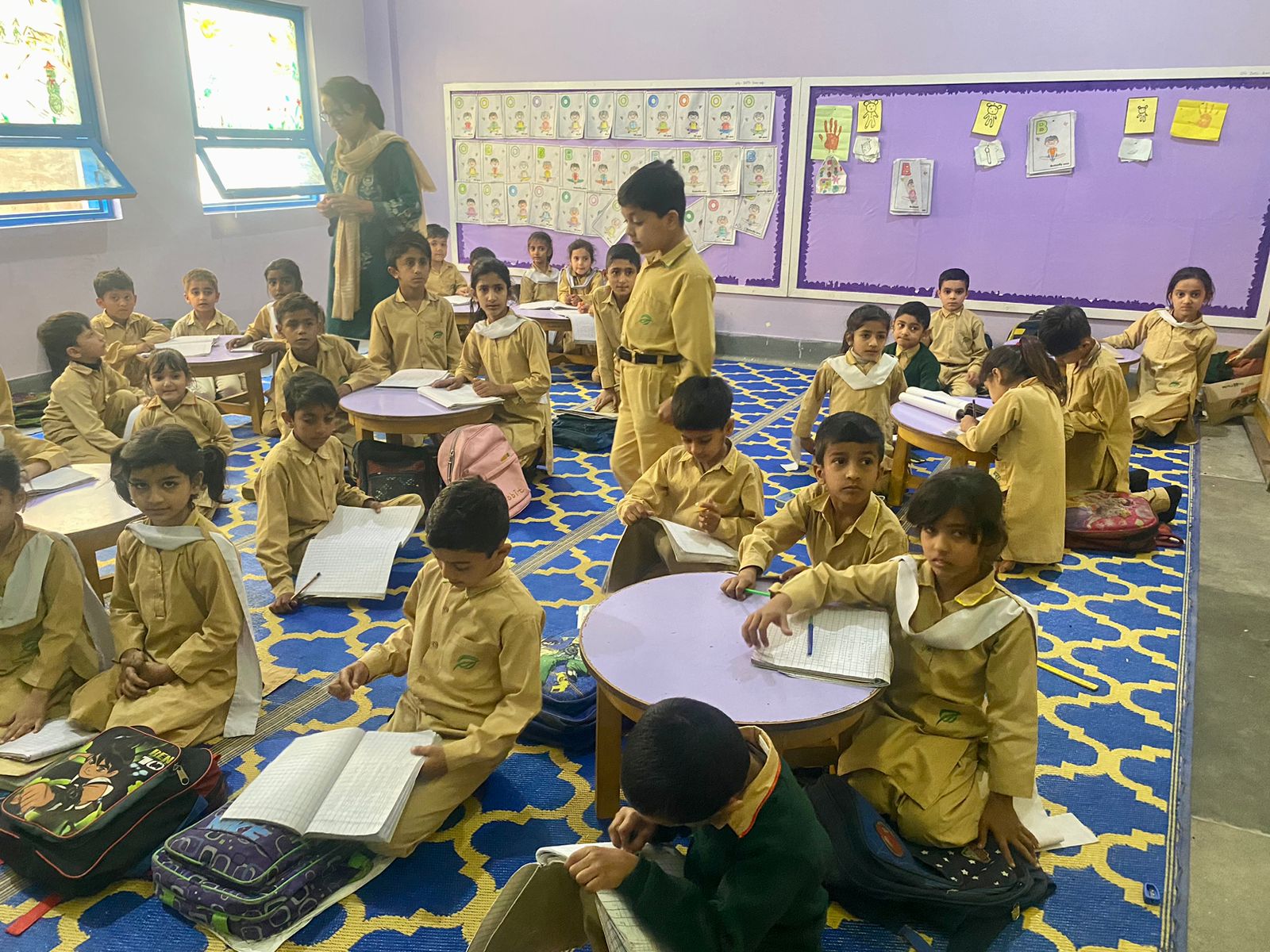
Students are seen studying at the The Citizens Foundation (TCF) school in Rawalpindi, Pakistan, on March 13, 2023. (AN photo)
Pakistan's out-of-school children face entrenched structural inequities frequently associated with gender biases, financial hardship, and insufficient access to quality schools.
It is these hurdles that TCF aims to bridge.
On Monday, Arab News visited a TCF school in the Dhok Chaudrian area of Rawalpindi, surrounded by small houses of mostly laborers and daily wage workers. Around 900 boys and girls are enrolled in the school and it is one of 43 units operating in poor neighborhoods in the twin cities, with a total enrolment of over 7,000 students in classes one to ten.
“I want to join the Pakistan army and with the quality education I am receiving here I am hoping to fulfil my dream as my father cannot afford to send me to other private schools which are very expensive,” Mehwish Khalid, the 16-year-old daughter of a daily wage worker, told Arab News at the Rawalpindi school, which is equipped with computer and science laboratories.
Like all other TCF schools, fees at the facility range from around Rs20-550, depending on the income bracket of the family. Those who can't afford it also get free books and uniforms.
“It has paved the way for many girls like us to pursue our dreams and get a good education,” Khalid said.
Another student, Faizan Farooq, the son of a laborer, said the teachers at the school were very kind.
“I am happy that I am studying and will become a police officer,” he said.
“All our teachers are our alumni so in this way we are providing them employment,” Safiya Khan, the principal of the TCF school in Rawalpindi, said, “and they also teach with dedication because they have a special association with the school.”


