UK earthquake appeal raises over £33m in first 24 hours

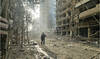
Volunteers distribute aid to people in Antakya, southern Turkiye, on Feb. 8, 2023. (AP)
Short Url
Updated 10 February 2023
Follow

UK earthquake appeal raises over £33m in first 24 hours

  • King and queen among those to pledge support following disaster in Turkiye and Syria
  • UK government donates £5m; Scottish government an additional £500k

LONDON: An appeal in the UK to raise money for victims of the series of earthquakes that struck Turkiye and Syria this week has received about £33 million ($39.9 million) in less than 24 hours.
The appeal, launched by the Disasters Emergency Committee, was broadcast across all major TV channels in the UK, and received significant donations and support from the government, King Charles III and Queen Consort Camilla, and the prince and princess of Wales, who said they were “horrified” by the “harrowing images” from the disaster-stricken zone.
The general public contributed a little over £27.9 million during the appeal’s first day, with the UK government committing to a further £5 million, and the Scottish government pledging £500,000.
Development Minister Andrew Mitchell called the response from the public to the disaster “extraordinary.”
So far at least 21,000 people are known to have died in the disaster, with the toll likely to rise as hopes for survivors still trapped in rubble fade, and tens of thousands of injured and homeless enduring sub-zero temperatures with limited shelter, food, clean water and medical supplies.
A military transport plane left the UK for Turkiye on Thursday carrying emergency supplies, and the government also intends to send a field hospital to the area.
The DEC appeal will see funds distributed to 14 British charities, including the British Red Cross, Oxfam and ActionAid, operating on the ground. It estimates that as many as 17 million peoples in Turkiye and Syria are in need of aid.
The Turkish government has said that 380,000 people are sheltering in official refuges or hotels.
DEC CEO Saleh Saaed told the BBC: “The stories we are now hearing from the survivors who have managed to escape the ruins of flattened and crumpled buildings without shoes and coats in the depths of winter are desperately sad.”



Security, economic and political partnerships in the spotlight at first Jordan-EU Summit

Updated 11 sec ago
Follow

Security, economic and political partnerships in the spotlight at first Jordan-EU Summit

  • Event reflects international confidence in Jordan as a reliable partner in efforts to address security threats, advance peace initiatives, and expand cooperation, analysts say
  • Timing is significant, expert says, given the region faces overlapping crises and threats that place security and defense cooperation at the heart of Jordanian-European relations

AMMAN: The inaugural Jordan-EU Summit underlined the depth of the country’s strategic partnership with Europe, officials and experts said, and confirmed the pivotal role Jordan plays in regional security, political stability and economic cooperation.

Analysts told the Jordan News Agency that Thursday’s summit took place at a sensitive moment for the region, but reflected international confidence in Jordan as a reliable partner in efforts to address cross-border security threats, advance peace initiatives, and expand cooperation in trade, investment and development.

Bashir Al-Dajeh, an expert in security and strategy, said the timing of the summit was significant, given the region is facing overlapping crises and transnational threats that place security and defense cooperation at the heart of Jordanian-European relations.

Jordan’s strategic location positions it on the front lines of efforts to tackle illegal migration, organized crime, drug and arms smuggling and cross-border terrorism, he added. The country has hosted more than 3.5 million refugees over the past decade without compromising its security infrastructure, he noted.

Jordan’s effective border controls were helping to curb irregular migration to Europe and disrupting the plans of extremist groups and trafficking networks, Al-Dajeh said, which was directly benefiting regional and European security.

Khaled Abu Hassan, a member of the Jordanian parliament, said the country’s foreign policy under King Abdullah had reinforced its influence, in the region and internationally, particularly its firm stance in support of the Palestinian cause and a two-state solution to the conflict with Israel.

He said the summit reaffirmed Jordan’s political influence in the shaping of regional balances and advancement of efforts to achieve a just and comprehensive peace. The timing of the meeting also demonstrated the resilience of the nation in managing multiple regional and domestic challenges.

Abu Hassan also highlighted the economic aspects of the summit, including the announcement of a Jordan-EU economic conference in April, as a sign of the international recognition of Jordan’s political and economic role.

Economist Mufleh Aql said the high-level summit reflected a shared desire for a broadening of cooperation to encompass politics, trade, security and renewable energy, and Jordan was well-placed to benefit from access to the EU’s large markets, technology and investment opportunities.

The country could benefit from increased exports, technology transfers and financing for major infrastructure projects in sectors such as water, transport and energy, he added, and in return offer the EU skilled human capital amid labor shortages in Europe.

EU support for Jordan’s positions on issues such as Jerusalem, regional stability, energy and migration further strengthens the partnership, Aql said. Jordan also already benefits from EU grants, concessional loans and exports of agricultural, pharmaceutical and chemical products to European markets, he noted.