

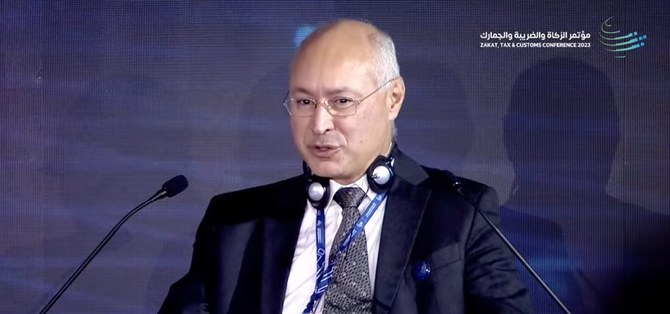

RIYADH: Combating the shadow economy is key to meeting rising spending demands, according to the International Head of Economics at BNP Paribas Bank Marcelo Carvalho.
Speaking during a panel discussion on the first day of the Zakat, Customs, and Tax conference in Riyadh, Carvalho noted that addressing the shadow economy can help boost tax revenues.
When taxes are high and the system is complex, there is a perceived unfairness in the tax system and the shadow economy tends to occur, he simplified.
“The point is that if the system is too complex, if the cost of compliance is high, it means an incentive for the shadow economy to prosper. So, making sure that the system itself is not excessively burdensome is very important so that the cost of compliance is reduced,” Carvalho said during the panel discussion.
He went on to argue that the three most crucial drivers of a shadow economy are taxation, regulation, and incentives.
On the fiscal front, raising tax revenues is also “particularly important in today's global macroeconomic environment in which the costs of debt are rising and monetary tightening is happening across the globe,” the international head of economics explained.
This is evident by the fact that banks worldwide are hiking interest rates to fight inflation, thereby increasing the burden of interest payments, Carvalho clarified.
With regards to incentives, they are expected to be higher given the perception that economic agents will never get caught. That said, it is vital to have very clear penalties for non-compliance as well as a detection system that ensures enforcement of the rules, Carvalho emphasized.
Also speaking at the panel discussion, the Minister of Economy and Planning Faisal bin Fadel Al-Ibrahim described how, in addition to general finances, the shadow economy can also impact the competitiveness of the private sector as well as individuals, citizens, residents, and employees.
“When we address this phenomenon in general, this will serve the national economy and increase GDP. This can give us a chance and an opportunity to increase the financing capabilities,” Al-Ibrahim said.
The Zakat, Tax, and Customs conference aims to tackle global experiences in the fields and discuss the future of digitizing those sectors as well as propelling trade and protecting national security.


