

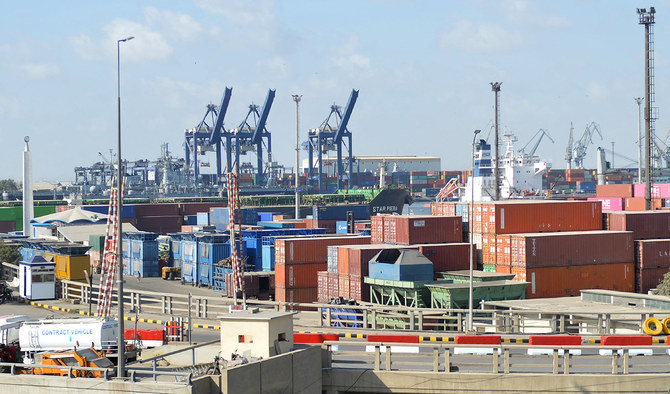

ISLAMABAD: Raw materials worth $60 million required to manufacture various medicines have been held up at the Karachi port due to a shortage of dollars in the country, the Pakistan Pharmaceutical Manufacturers Association (PPMA) said on Saturday, warning that it could lead to a shortage of life-saving medicines in the country.
Thousands of shipping containers packed with essential food items, raw materials and medical equipment have been held up at the port in Karachi for the last couple of weeks as the South Asian country faces a balance-of-payments crisis.
Facing mounting external debt and a massive current account deficit, Pakistan's foreign exchange reserves have dipped to an eight-year low of $4.3 billion. Talks between Pakistan and the International Monetary Fund (IMF) for another tranche of $1.1 billion loan remain suspended since September 2022, sparking fears the country may default on its payments.
The shortage of US dollars in the country has prompted banks to refuse to issue new letters of credit for importers, dealing a further blow to Pakistan's fragile economy that is already reeling from soaring inflation and lackluster growth.
“The medicines’ raw material worth around $60 million has been held up at the Karachi port as the banks are not opening letters of credit, so obviously this has led to a shortage of medicines in the market,” Syed Farooq, the association’s chairman, told Arab News.
Pakistan imports an estimated 95% of its pharmaceutical raw materials from China, Europe and India to manufacture medicines in the country. While Pakistan's direct trade with India remains suspended since August 5, 2019, Islamabad is still importing pharmaceutical raw materials from the country via Dubai.
Farooq said the industry is left with raw materials that would last for only a couple of weeks, adding that if the imports do not arrive in Pakistan, the country could face its worst shortage of medicines in the coming days.
“The government has assured us to open the imports and clear all our raw material stuck at the port very soon,” he said. Farooq warned that if the crisis was not solved, it would lead to thousands being unemployed and would lead to a shortage of life-saving medicines from Pakistani markets.
He said the industry was importing raw materials worth $700 million annually to manufacture medicines, but “we need an urgent import of at least $200 million to save the industry and provide all crucial medicines in the market.”
Doctors and distributors have already confirmed to Arab News that some crucial life-saving medicines required to treat cancer, epilepsy, diabetes, and heart conditions were already unavailable in the market. This puts the lives of thousands of patients across the country, who require these medicines on a daily basis, at risk.
Pakistan's central bank holds net reserves barely sufficient to cover imports for three weeks. In its bid to stave off an economic crisis and shore up its foreign reserves, Pakistan has asked the IMF to send its mission to Pakistan to revive the stalled loan program.
Arslaan Asif Soomro, a Karachi-based senior economist, said the imports would arrive in Pakistan only after the government successfully concludes negotiations with the IMF and allows a market-based exchange rate.
“Things will start improving hopefully by the second week of February if the IMF loan stands revived,” he told Arab News. “At the moment, every import-led industry, especially the pharmaceutical [industry] is in severe crisis due to the dollars shortage.”


