
BAB AL-HAWA: The first batch of cholera vaccines reached opposition-held areas in the northwest of war-ravaged Syria, where the extremely virulent disease is spreading.
Syria’s first outbreak since 2009, which the UN and local officials say has killed dozens of people since August, has been attributed in part to dilapidated infrastructure after more than a decade of conflict.
Two trucks loaded with vaccines entered Syria’s Idlib province through the Bab Al-Hawa crossing, linking Turkiye with areas under extremists’ control, an AFP correspondent said.
BACKGROUND
Syria’s first cholera outbreak since 2009, which the UN and local officials say has killed dozens of people since August, has been attributed in part to dilapidated infrastructure after more than a decade of conflict.
They carried 1.7 million doses of vaccine, said Ammar Ammar, a regional official with the UN children’s agency UNICEF, which organised the delivery.
UNICEF and the World Health Organization “have been looking at buying vaccines for the whole of Syria,” he said.
Idlib’s provincial health chief Rifaat Al-Farhat said these were the first vaccine doses shipped there since the outbreak began last year.
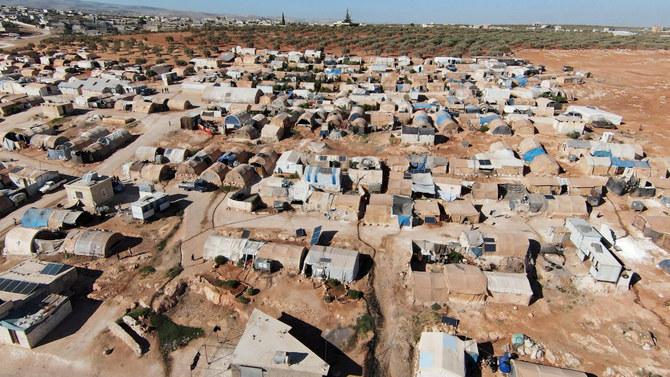
An inoculation drive would begin in March, Farhat said, but warned there are not enough doses for all of the province’s roughly 3 million inhabitants.
About 1.1 million others live in areas north of Idlib that are also not under the control of President Bashar Assad’s regime.
In November, 2 million vaccine doses were delivered to government-held areas.
According to the UN, Syria’s outbreak has killed 100 people since late August, and 77,561 suspected cases have been registered throughout the country by Jan. 7.
Cholera is generally contracted from contaminated food or water, and causes diarrhea and vomiting.
It can spread in residential areas lacking proper sewerage and drinking water systems.
The war in Syria since 2011 has damaged nearly two-thirds of water treatment plants, half of pumping stations and one-third of water towers, according to the UN.
Authorities in Idlib said they have registered 38,000 suspected cases, 6,000 of them in January alone.
Twenty people have died of cholera in the rebel-held province, officials said.
The Syrian regime has reported 1,634 cases and 49 deaths in areas under its control.