

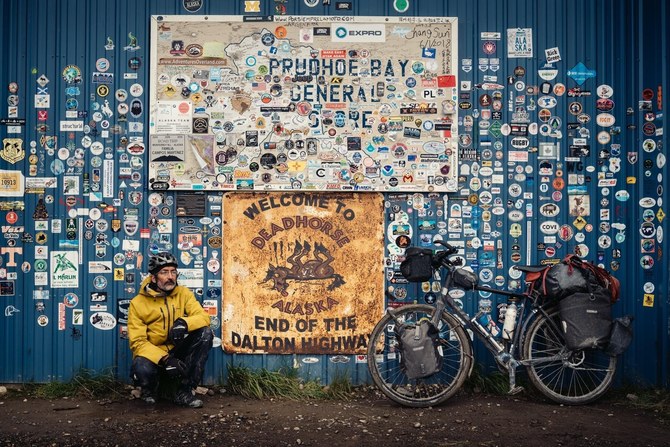

DUBAI: A Pakistani traveler and adventurer, Kamran Ali, entered the United Arab Emirates from Oman last week after exploring 45 countries across four continents on a bicycle in the last five years.
Born in Layyah, which is located in Punjab province, Ali has covered about 50,000 kilometers on his trusted two-wheeler and is currently on his way to South Africa.
Speaking to Arab News on Sunday, he said that his dream being up close with nature, people and diverse cultures took 13 years to come true.
“I used to bike my way to neighboring cities and my parents used to get furious,” he laughed while recalling his passion for cycling at an early age.
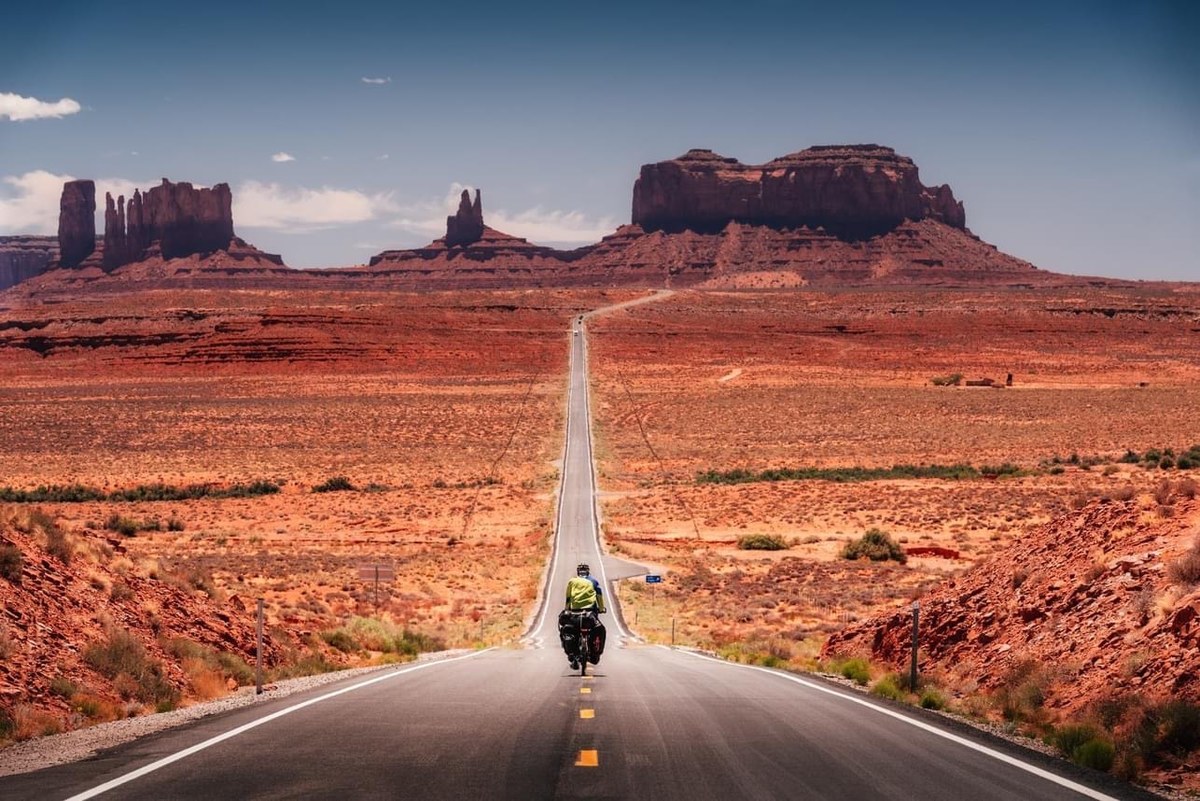
Kamran Ali, a Pakistani adventurer who travels internationally on his bicycle, is passing through Monument Valley in the United States in 2016 during his trip from Argentina to Alaska (Photo courtesy: Kamran Ali)
Ali finished his postgraduate studies in 2002 before deciding to go to Germany for higher education.
“I was on a plane from Islamabad to Frankfurt, and we must be flying over Eastern Turkiye, when the beauty of the landscape struck,” he recalled. “That’s when I made a secret pledge to myself to see all such places in the world from close by.”
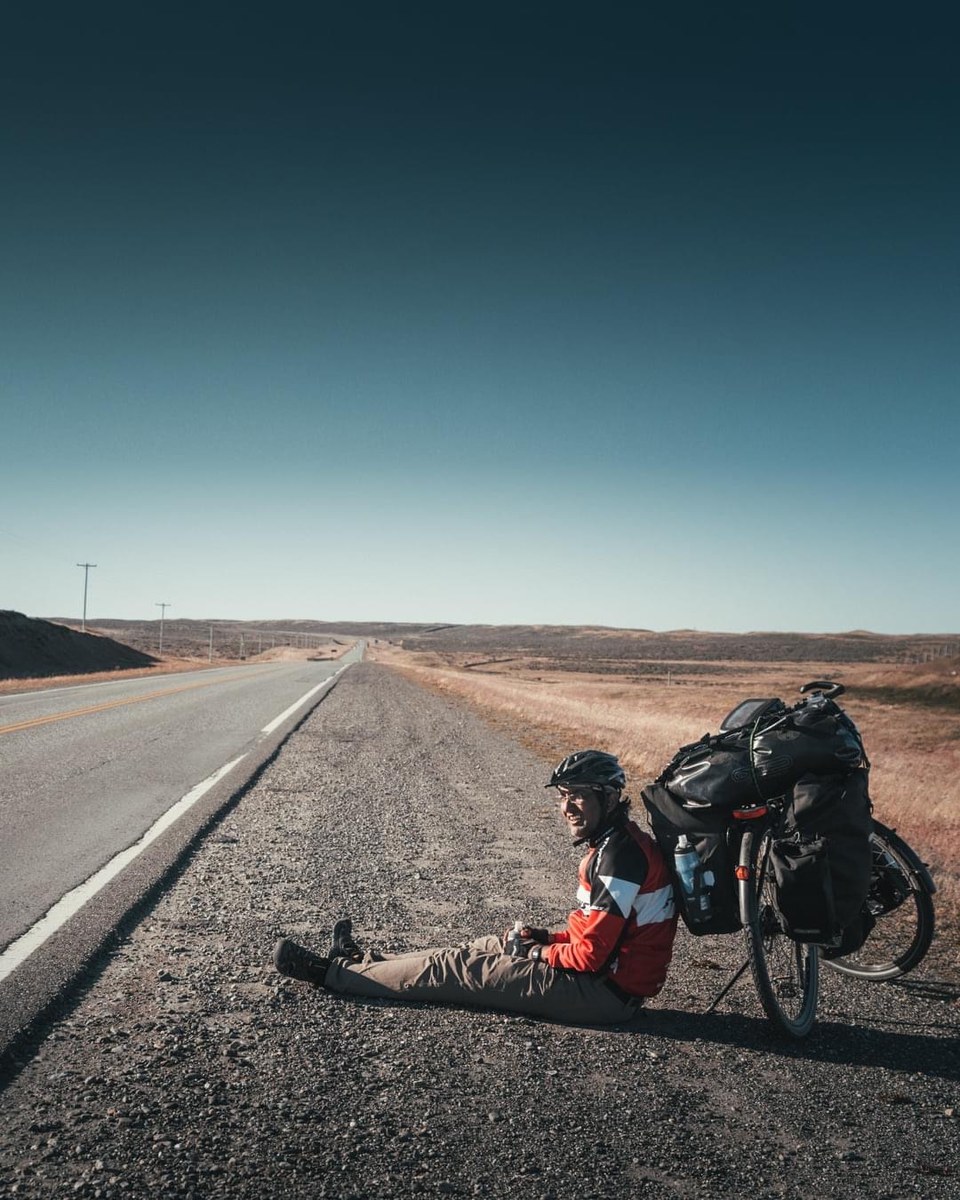
Kamran Ali, a Pakistani adventurer who travels internationally on his bicycle, while taking a breather in the initial days of his four-year-long journey from Argentina to Alaska. (Photo courtesy: Kamran Ali)
Years later, in 2011, he left his job in Germany as a software developer after doctorate and started the international bike tour to Pakistan from Rostock. However, he had to abandon the adventure trip within six months due to the tragic death of his mother.
In March 2015, Ali resumed his tour from where he had left off in Sivas, Turkiye, and covered 10,000 kilometers to reached Layyah in August that year.
“I still wanted to go on,” he said. “So I planned the longest trip ever from the tip of South America to the North Pole.”
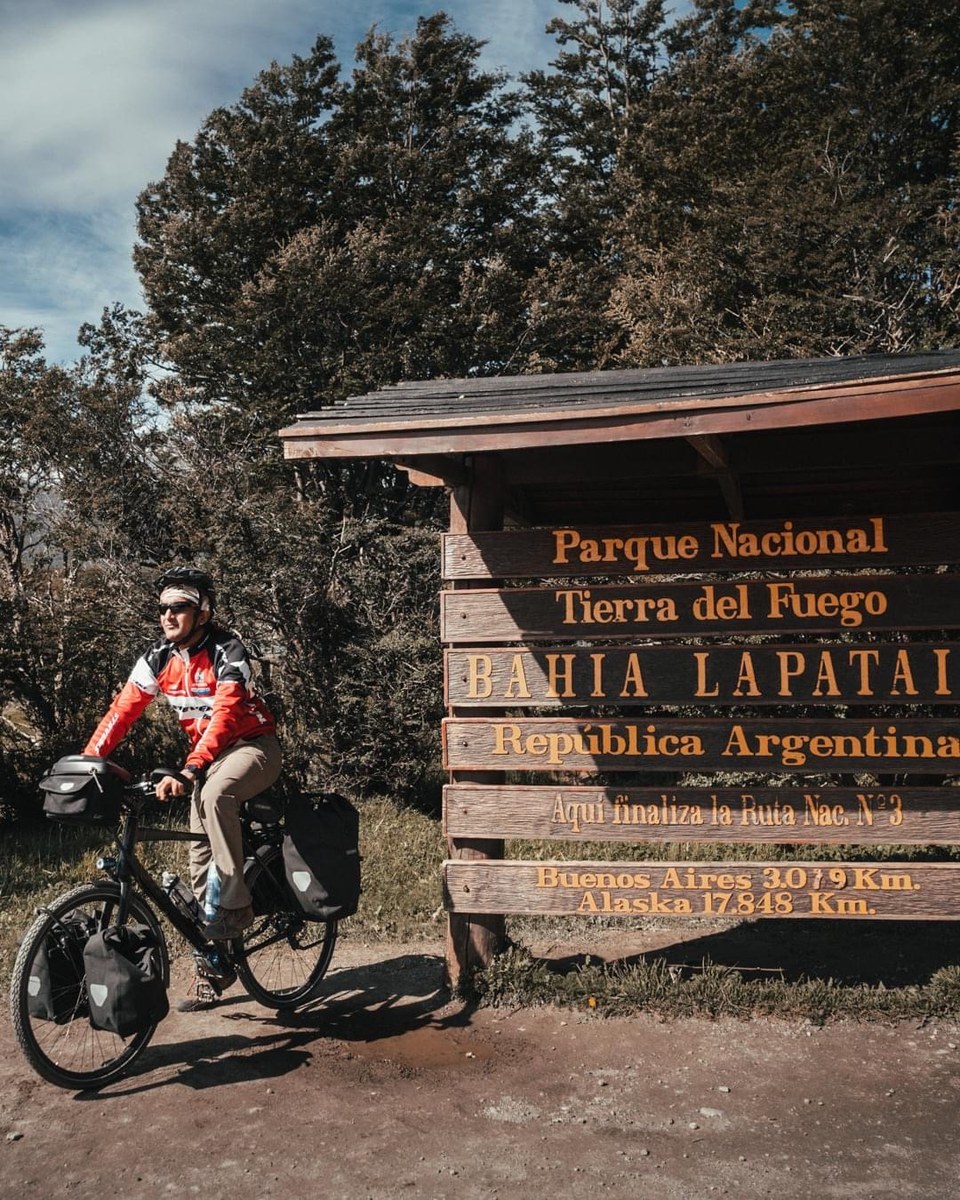
Kamran Ali, a Pakistani adventurer who travels internationally on his bicycle, at the start of his four-year-long trip from Argentina in South America to Alaska in 2016 (Photo courtesy: Kamran Ali)
He added he was the only Pakistani who had traveled the entire length of Americas on a bicycle. Ali said it took him four years to cover 33,100 kilometers from Ushuaia, Argentina, to Alaska in 2016.
A couple of weeks ago, the Pakistani adventurer started another tour – this time from the Middle East to South Africa. He started his journey from Muscat, Oman, in the beginning of January and reached Dubai in two weeks.
He now plans to go to Saudi Arabia, take a ferry to Sudan, and begin his journey through Ethiopia, Kenya, and Tanzania to reach South Africa.
“Cycling for me is no longer a hobby or sport or even an adventure,” Ali said. “It’s a way of life. My bicycle travels have taught me that the world could be a better place if people knew about each other a little more. Realizing that we are one can help us become more compassionate.”
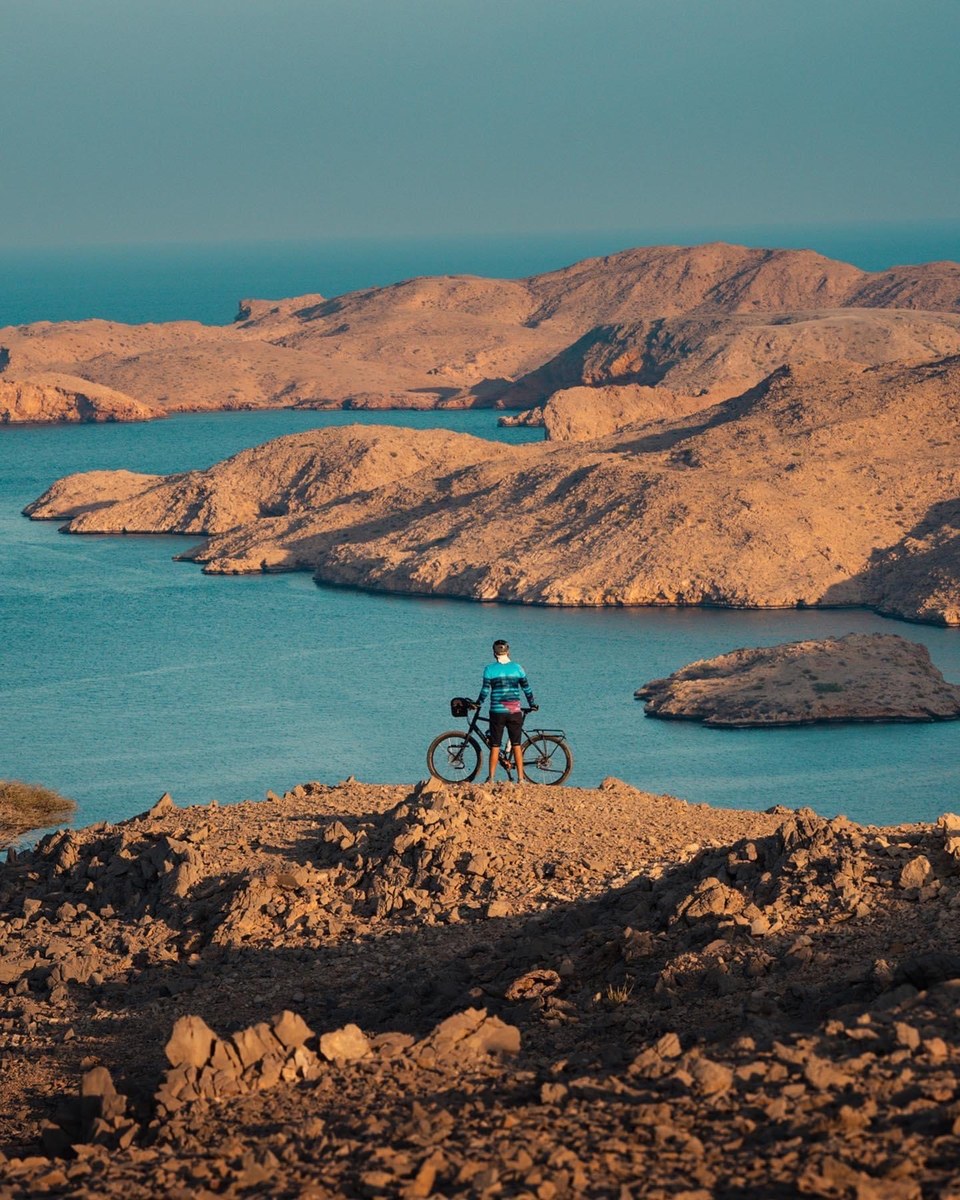
Kamran Ali, a Pakistani adventurer who travels internationally on his bicycle, can his seen in Muscat, Oman, earlier this year while beginning his tour to South Africa via Dubai (Photo courtesy: Kamran Ali)
Imbued with the spirit to travel to every corner of the world, he initially embarked on his international tours by using his savings. Things changed since then and now Ali tries to secure sponsorships by telling stories from around the world with colorful pictures, videos and writings.
As an avid photographer, he also displayed his photos at some local exhibitions.
“I’m pursuing my dream for a deeper satisfaction by connecting with places, listening to stories, and learning lessons while being on the road,” he said. “I have no intention of stopping until I’m forced to.”
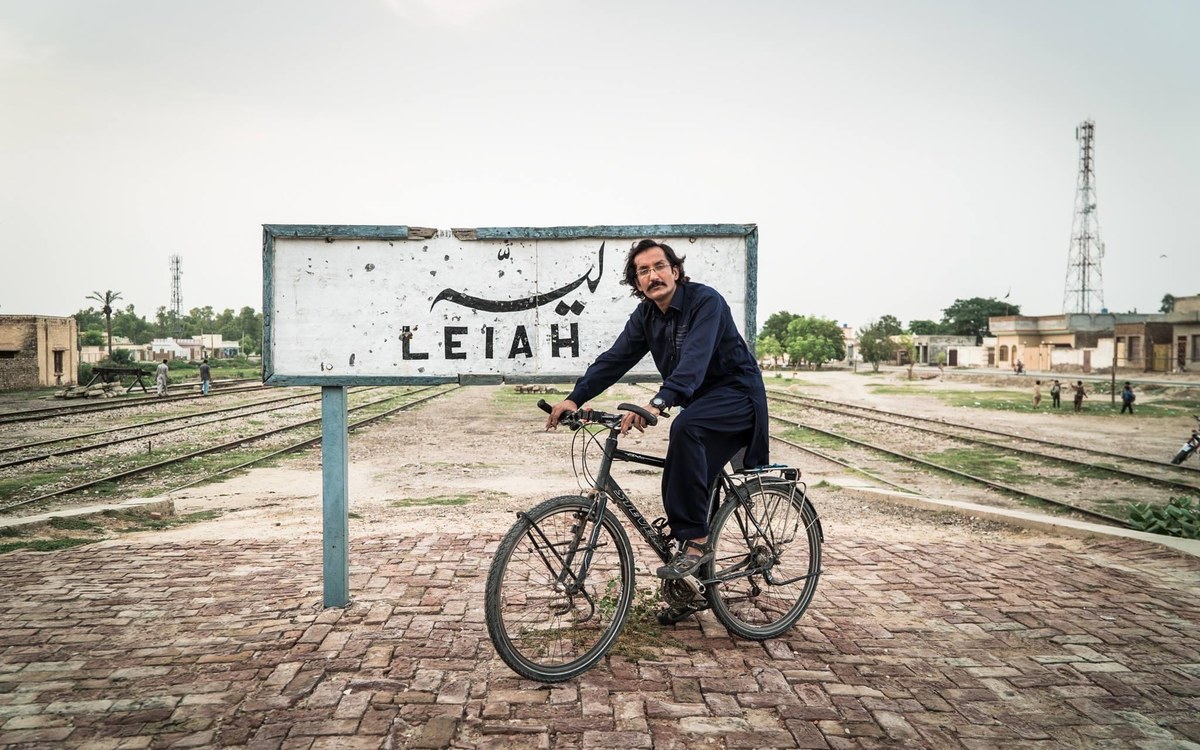
Kamran Ali, a Pakistani adventurer who travels internationally on his bicycle, can be seen at the railway station of his hometown, Layyah, in Pakistan in 2016. (Photo courtesy: Kamran Ali)


