- The organizer of Pakistan’s biggest food festival attributes its ‘huge success’ to ownership of people
- Karachi Eat has offered facility to order food online to involve individuals who cannot be at the festival
KARACHI: The residents of Pakistan’s largest metropolis praised the organizers of the country’s biggest food festival after its 10th edition was kicked off on Friday, saying that it offered a one-stop solution for food, fun and entertainment.
Karachi Eat Festival is an annual event that has been taking place in the city of lights every year in January. It features hundreds of eateries and offers a variety of cuisines to visitors. The festival requires all participating eateries to bring at least one new food item for people which is not available on their regular menu.
“Everything is available under one roof at the same time and there are lot of facilities including a music concert for Gen Z,” Farid Soomro, a young festival participant, told Arab News. “You get a lot of things at reasonable price.”
The year 2023 marks the completion of a decade since the festival was first held. The event was canceled in 2021 due to the coronavirus pandemic amid limited turnout.
As the festival returns in full swing this year, the top official of the organization that arranges it every year said the event was envisioned by the people of the city to build “community spirit” and “revitalize public spaces.”
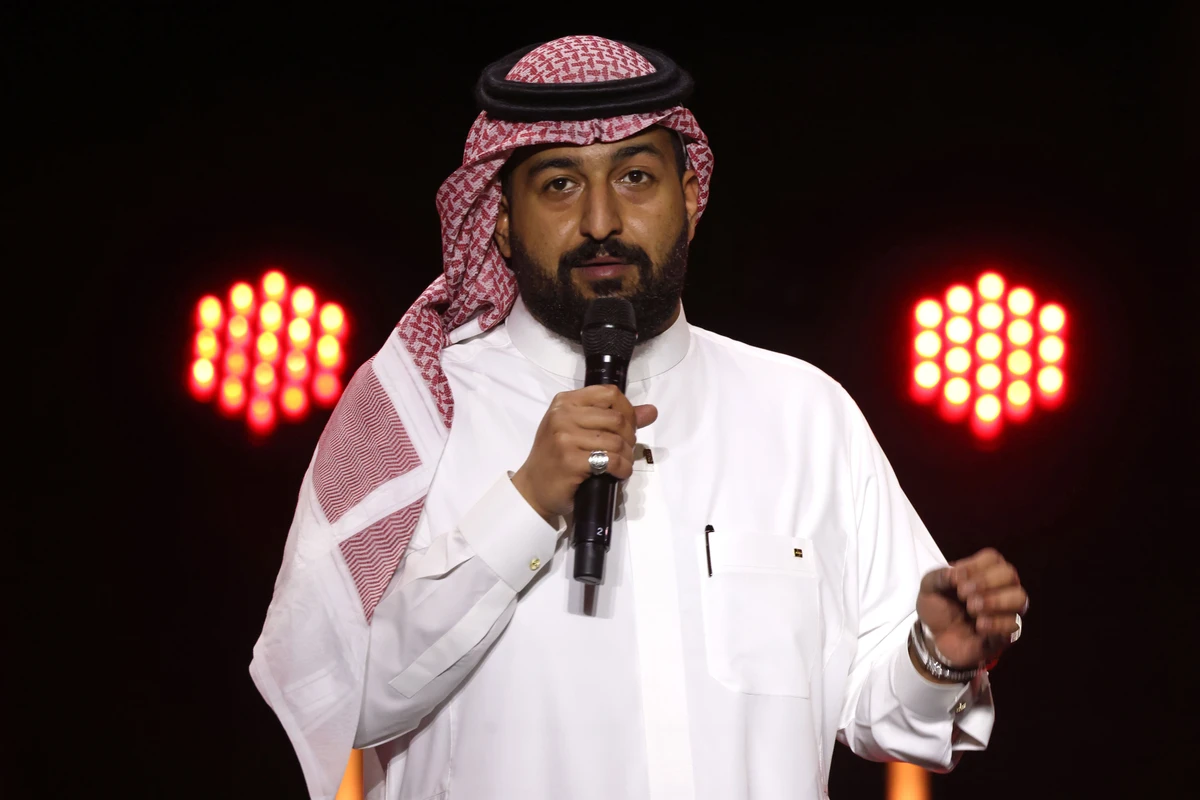
“In ten years, people understand that the reason why Karachi Eat lasted this long and why it’s such a huge success is because it was never owned by any brad,” Omar Omari, the chief executive officer of Eat Food Pakistan, told Arab News. “It was owned by the people of the city where it’s taking place.”
He maintained it had never been conceived as a business plan.
“It is set into the heart of people and that’s something you can’t just take away,” he continued. “It has grown over time because people have felt like it’s their own festival.”
Omari said the platform had tried to promote Pakistani brands and encouraged homebased food businesses by bringing them to the forefront.
He informed that 80 to 90 percent of the stalls initially were set up by restaurants that were already serving people in market while about 10 to 20 percent featured homebased businesses. Ten years on, the situation has reversed.
“Over the years, this festival has offered a platform to people where they can experiment with food,” Omari added. “It is also the reason why the food scene in Karachi specifically has evolved. People have gone on to become a shop, a chain and an outlet.”
People who attended the first day of the festival said it allowed them to sample different food options available in the city and enjoy the music by their favorite artists.
“I have been coming here since the first Karachi Eat and I just love the concept,” Ahla Hasan, who is in the publishing business, told Arab News. “The family fun, the entertainment, everyone coming together to eat. What else is the fun thing to do in Karachi but to eat!”
Mohammad Saad, the owner of Second Cup coffee house, called the festival “a really good activity” to engage people.
“The situation in our country is not so favorable so activities like this can be a good escape from the usual lifestyle,” he added.
Sagar Samy, a student participating in Karachi Eat, said he was excited the festival management was also using technology to involve more people who could not attend the event.
“They have also made online arrangements,” he continued. “Those who cannot come to the Karachi festival can order food from these stalls which is a great development. Besides, they are promoting the prevailing metaverse concept. They are also promoting the artwork of different artists.”
The organizers of the three-day festival said they expected to greater number of people over the weekend.