DUBAI: Iran said Thursday it executed a prisoner convicted for a crime allegedly committed during the country’s ongoing nationwide protests, the first such death penalty carried out by Tehran.
The execution comes as other detainees also face possible death penalty for their involvement in the protests, which began first as an outcry against Iran’s morality police and have expanded into one of the most serious challenges to Iran’s theocracy since its 1979 Islamic Revolution.
Activists warn others could be put to death as well soon since activists say at least a dozen people so far have received death sentences over their involvement in the demonstrations.
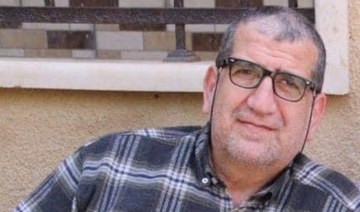
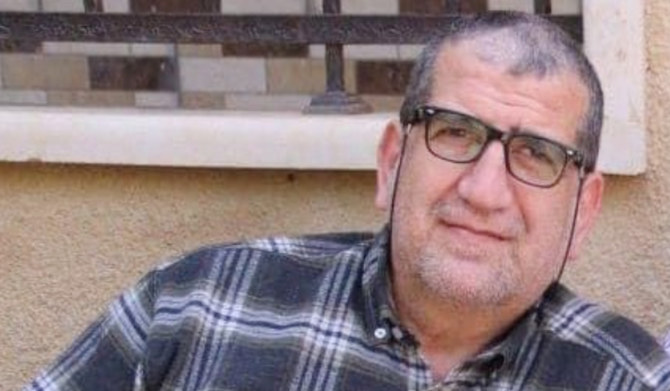
UN High Commissioner for Human Rights Volker Turk expressed strong regret over Mohsen Shekari’s execution and fear for other demonstrators that have been sentenced to death in Iran.
“We deplore the hanging of Mohsen Shekari — the first person executed regarding the latest protests – and fear for another 11 protesters sentenced to death,” he said.
“We call for an immediate halt to executions,” he added. “The death penalty is incompatible with human rights and cannot be reconciled with the right to life.”
The “execution of #MohsenShekari must be me with STRONG reactions otherwise we will be facing daily executions of protesters,” wrote Mahmood Amiry-Moghaddam, the director of the Oslo-based activist group Iran Human Rights. “This execution must have rapid practical consequences internationally.”
Iran’s Mizan news agency reported the execution. It accused the man of blocking a street and attacking a security force member with a machete in Tehran.
The Mizan news agency, run by the country’s judiciary, identified the executed man as Mohsen Shekari. It said he had been convicted in Tehran’s Revolutionary Court, which typically holds closed-door cases that have been internationally criticized in other cases for not allowing those on trial to pick their own lawyers or even see the evidence against them.
Mizan said Shekari had been arrested Sept. 25, then convicted Nov. 20 on the charge of “moharebeh,” a Farsi word meaning “waging war against God.” That charge has been levied against others in the decades since 1979 and carries the death penalty.
Iran has been rocked by protests since the Sept. 16 death of 22-year-old Mahsa Amini, who died after being detained by the country’s morality police. At least 475 people have been killed in the demonstrations amid a heavy-handed security crackdown, according to Human Rights Activists in Iran, a group that’s been monitoring the protests since they began. Over 18,000 have been detained by authorities.
Iran is one of the world’s top executioners. It typically executes prisoners by hanging. Already, Amnesty International said it obtained a document signed by one senior Iranian police commander asking an execution for one prisoner be “completed ‘in the shortest possible time’ and that his death sentence be carried out in public as ‘a heart-warming gesture toward the security forces.’”
(With AP)