Diriyah officially opens its gates to the public on December 4

1 / 5
The DGDA aims to develop the birthplace of the Kingdom into a world-class tourism, entertainment and cultural destination. (Supplied)
2 / 5
The DGDA aims to develop the birthplace of the Kingdom into a world-class tourism, entertainment and cultural destination. (Supplied)
3 / 5
The DGDA aims to develop the birthplace of the Kingdom into a world-class tourism, entertainment and cultural destination. (Supplied)
4 / 5
The DGDA aims to develop the birthplace of the Kingdom into a world-class tourism, entertainment and cultural destination. (Supplied)
5 / 5
The DGDA aims to develop the birthplace of the Kingdom into a world-class tourism, entertainment and cultural destination. (Supplied)
Short Url
Updated 29 November 2022
Follow

Diriyah officially opens its gates to the public on December 4

  • DGDA Group CEO Jerry Inzerillo told Arab News: “Three hundred years ago, the birthplace of the Kingdom was At-Turaif

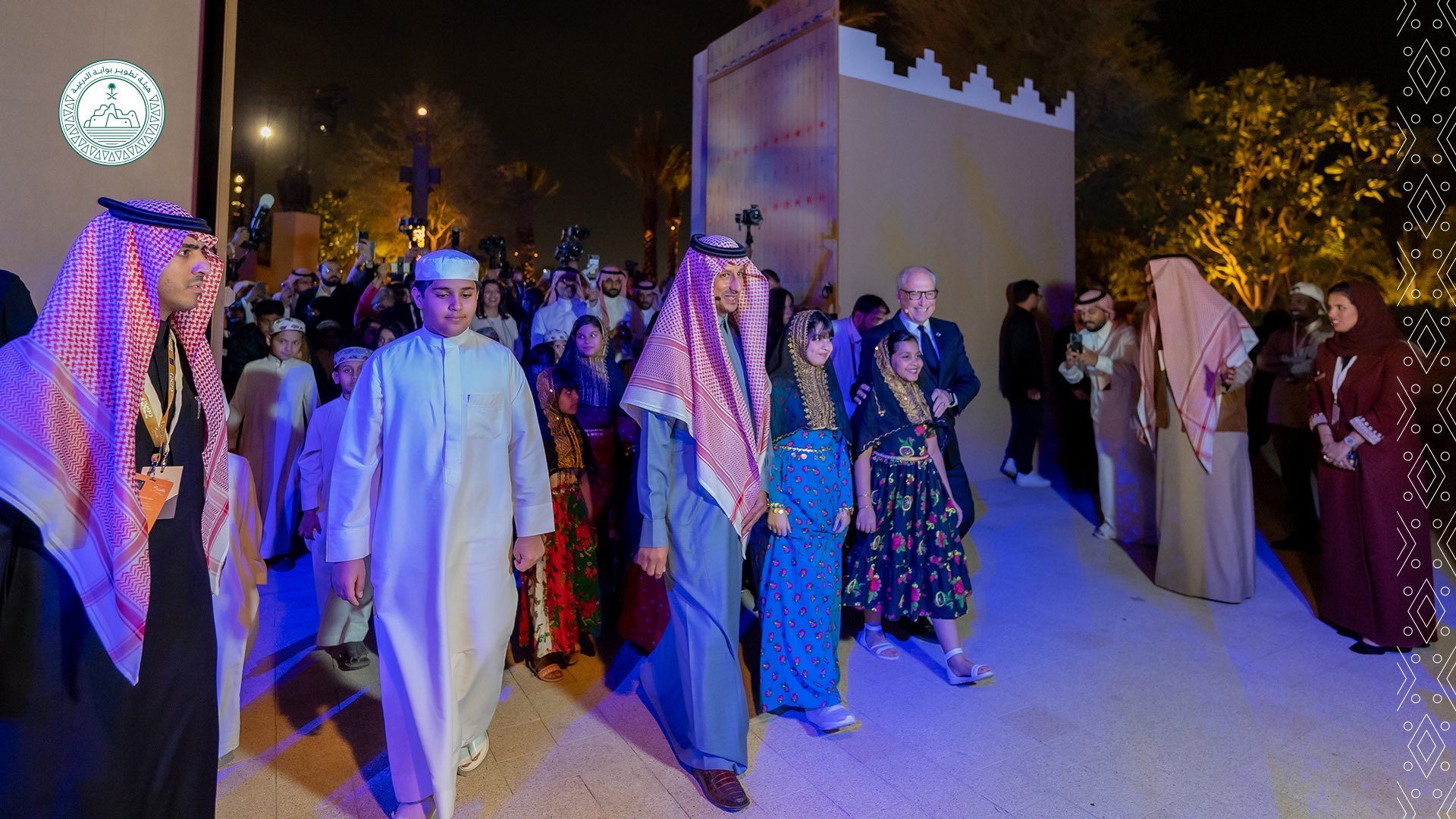
RIYADH: Saudi Tourism Minister Ahmed Al-Khateeb inaugurated the UNESCO World Heritage sites At-Turaif and the Bujairi Terrace in Diriyah on Monday.

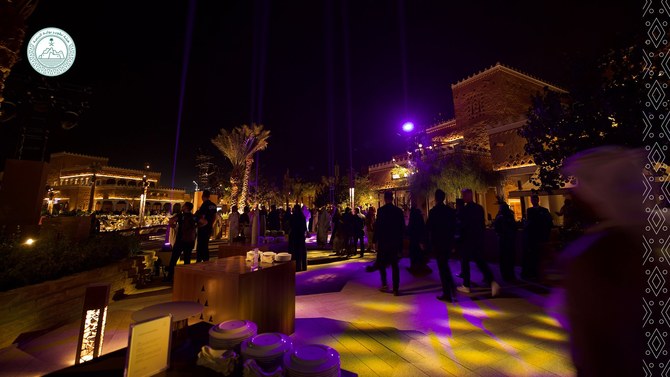
The DGDA held a special gala dinner for a number of World Travel and Tourism Council delegates who were present in Riyadh for the 22nd WTTC Global Summit.

The summit is taking place for the first time in the Kingdom in Riyadh from Nov. 28 to Dec. 1 at the King Abdulaziz International Conference Center.

Uniting a wide range of key industry players, this year’s edition of the WTTC Summit showcased Saudi Arabia’s pioneering efforts to reshape the world’s tourism map in a still-recovering, post-COVID world. As one of the industry’s largest events, the annual forum aspires to implement travel sustainability on a global scale.

The At-Turaif and Bujairi Terrace opening gala dinner was attended by Saudi Tourism Minister Ahmed Al-Khateeb, Chair of WTTC Arnold Donald, President and CEO of WTTC Julia Simpson, Group Chief Executive Officer of DGDA Jerry Inzerillo, and a broad list of other high profile industry leaders.

HIGHLIGHT

As a part of its opening, At- Turaif will offer 75-minute guided walking tours in both Arabic and English that will take visitors through the original seat of power, built in the 1700s, of the Kingdom’s Al-Saud family.
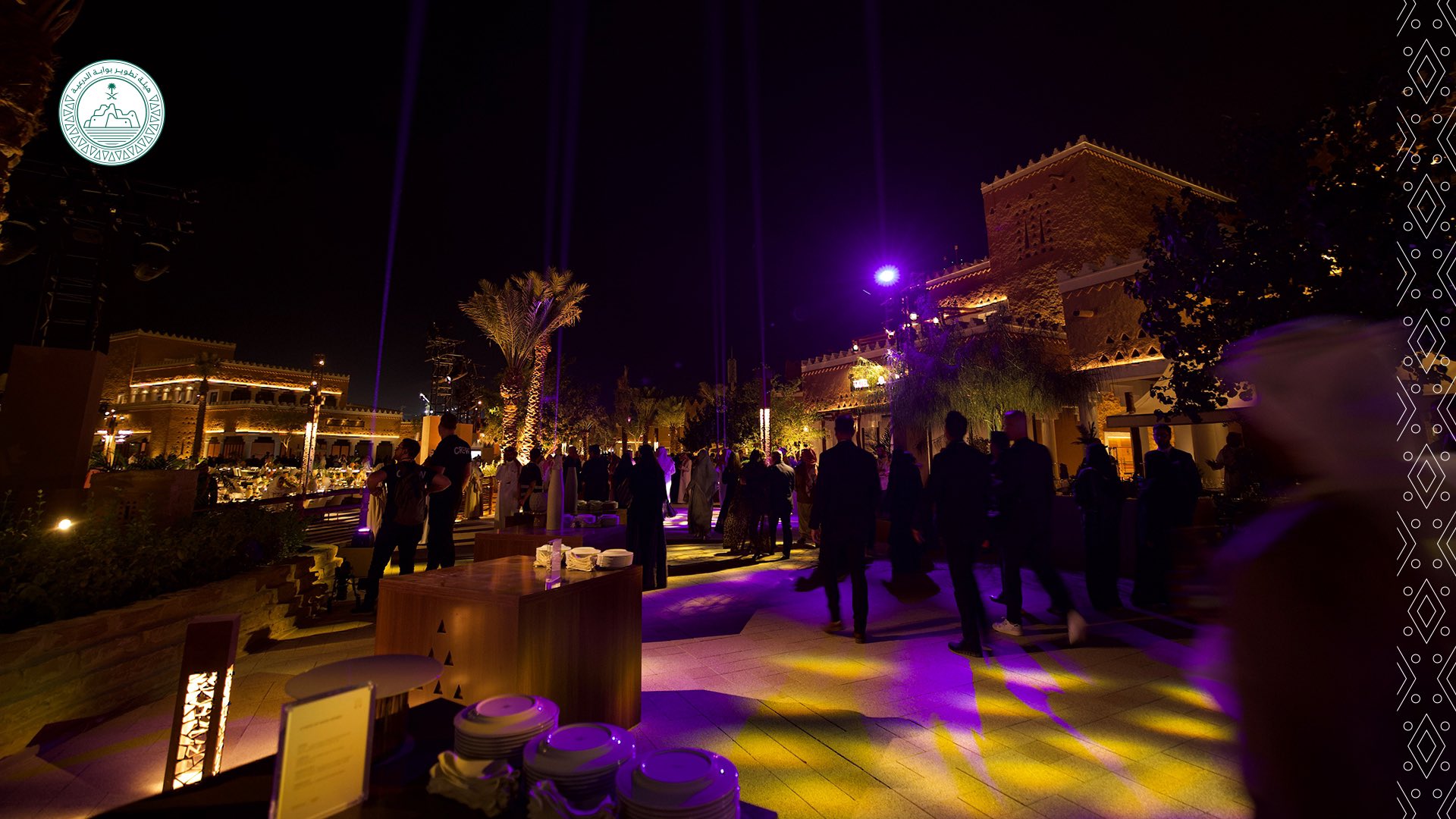
In the upcoming week, visitors will have the opportunity to explore the UNESCO World Heritage Site of At-Turaif, the home of the first Saudi State, and dine at some of the world’s finest Michelin-star restaurants at the Bujairi Terrace.

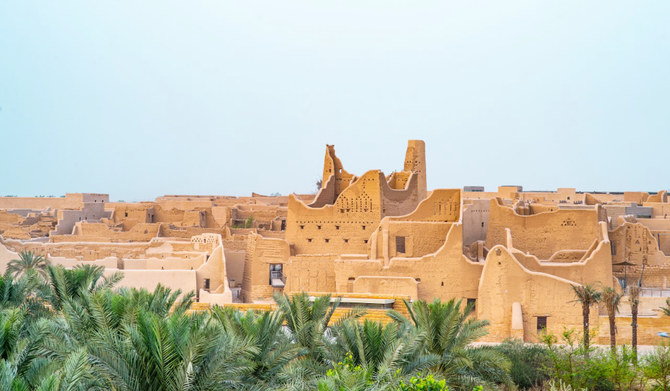
Visitors will take a step back in time as they walk through the mudbrick palaces and pathways of At-Turaif that perfectly highlight the traditional Najdi architecture.

As a part of its opening, At-Turaif will offer 75-minute guided walking tours in both Arabic and English that will take visitors through the original seat of power, built in the 1700s, of the Kingdom’s Al-Saud family.

Upon its opening, visitors will be able to explore At-Turaif's Salwa Palace, a 10,000-square-meter complex whose first phases were built by Mohammed ibn Saud, the first ruler of the First Saudi State.

At-Turaif's palaces, pathways and detailed carvings in the Najdi architecture provide a glimpse into the past and a reminder of the origin of Saudi Arabia.

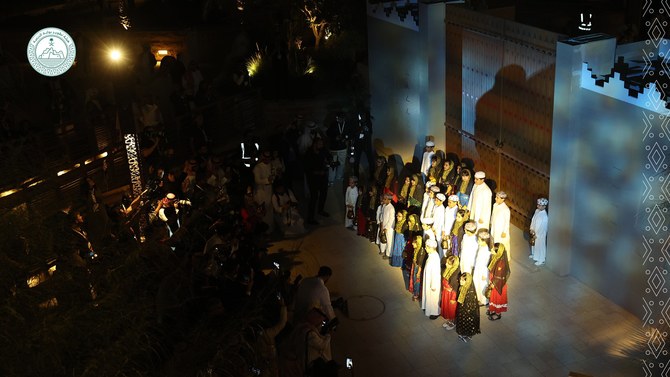
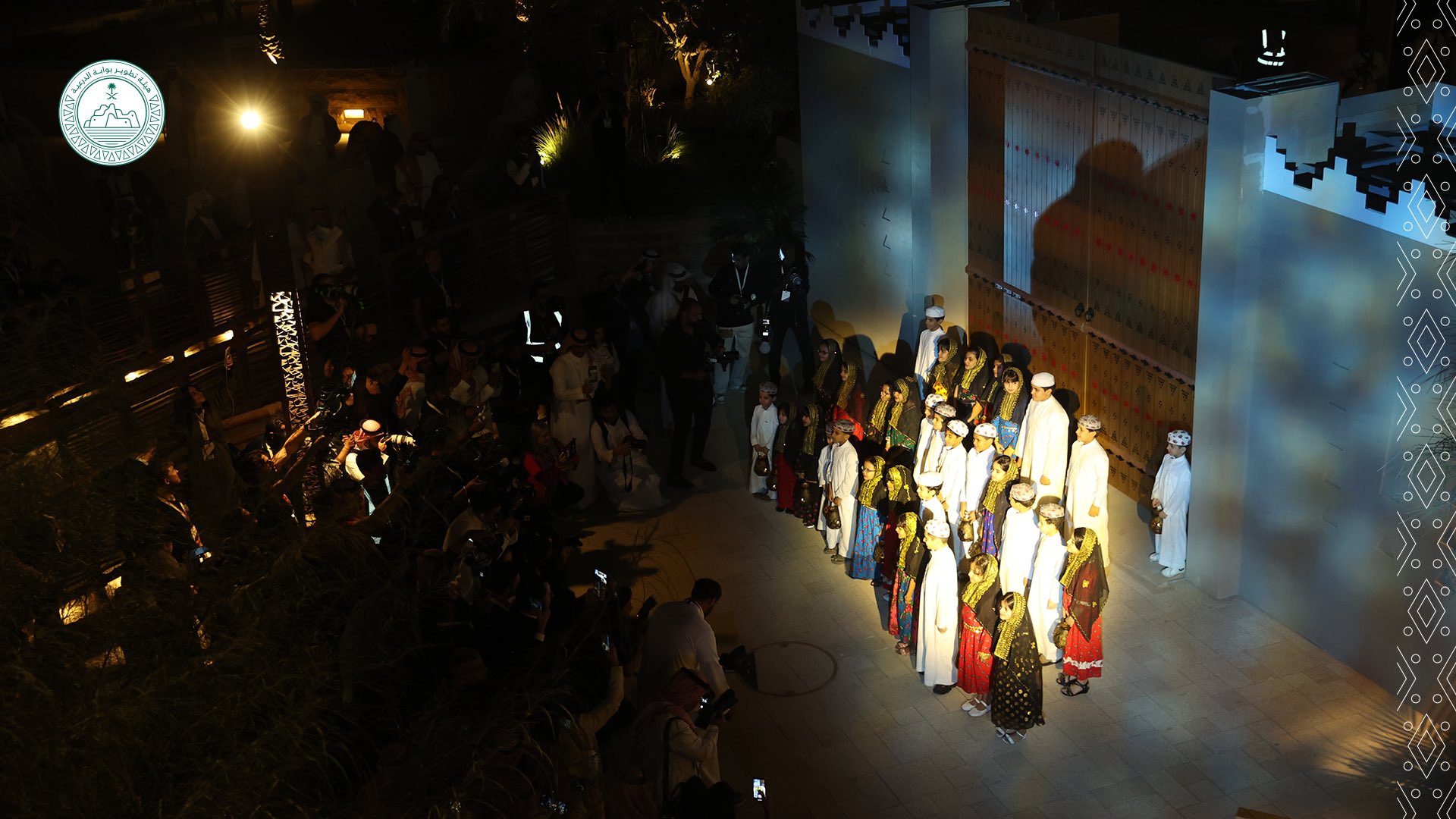
Along with the announcement of At-Turaif's opening, the DGDA will also host a variety of activities for the public, including theatrical performances, an Arabian horse show, calligraphy sessions, mudbrick-making shows and Saudi coffee experiences.

On Al-Nuzul Street, 13 buildings will host daily immersive theatrical performances that will take visitors back in time to experience life in At-Turaif during the First Saudi State.

Following the opening At-Turaif, Diriyah is also set to host a calendar full of events and activities for the public during the winter 2022 season.

Bujairi Terrace is also set to open its doors to the public on Dec. 4 with the aim of becoming the foremost luxury dining destination in the Kingdom of Saudi Arabia. Located in Wadi Hanifah, Bujairi Terrace will offer 20 restaurants and coffee shops, several of which are Michelin-star restaurants, including Chez Bruno, Hakkasan, Long Chim and Tatel, overlooking At-Turaif.
Some of the international brands located in Bujairi Terrace include Angelina, Brunch & Cake, Café De Lésplanade, Cova / Cova Pasticceria, Flamingo Room, Joe & the Juice, Sarabeth’s and Villa Mamas.

Some of the local brands include TAKYA, Altopiano, Somewhere / Somewhere Dessert Bae, Sum + Things, and Hi.

Built from the same mud, water and straw used to construct At-Turaif, Bujairi Terrace will merge culture, history and luxury through live shows, historical programs, interactive entertainment and traditional performances from Saudi artists and musicians.

Earlier this week, some 1,500 employees at the DGDA put their signatures on mud bricks to be used to restore At-Turaif, the original home of the Saudi royal family and the country’s first capital.
DGDA Group CEO Jerry Inzerillo told Arab News: “Three hundred years ago, the birthplace of the Kingdom was At-Turaif. We give all our love and praise to the Custodian of the Two Holy Mosques, King Salman, to restore At-Turaif, which was built by Saudis brick by brick, but no one knows their names.

“Now we are building the new Diriyah, transforming it, using the same material, same mud, same straw, same palm trees, but now we know everybody’s name.

“So the next 300 years of this will be built by all these people and will remain very emotional and very special to them.”

The DGDA aims to develop the birthplace of the Kingdom into a world-class tourism, entertainment and cultural destination. Upon its completion, Diriyah will be a $50 billion giga-project featuring some of the world’s most luxurious restaurants and hotels built in the traditional Najdi architectural style.

This is merely the first phase of Diryah’s opening. Once complete, Diriyah will offer more than 150 fine-dining restaurants and premium cafes, 28 luxury hotels and resorts, and 400 luxury and lifestyle brands.


Saudi Arabia witnessing comprehensive cultural development, says expert

Updated 14 February 2026
Follow

Saudi Arabia witnessing comprehensive cultural development, says expert

  • Clotilde Entrecanales of Acciona hails pace of change in Kingdom

JEDDAH: Museums, exhibitions and art centers play a crucial role in the development of free and educated societies such as the one now burgeoning in Saudi Arabia, an expert has told Arab News.

Clotilde Entrecanales, the Spanish art historian and cultural executive who heads Acciona Living & Culture, a leading creator of technology-driven interactive museums, exhibits and events, said the Kingdom is making efforts to expand the role of culture development to show the world the greatest possible cultural offer.

She added that the Kingdom has quickly infused new energy into the region, and is rapidly establishing itself as a global cultural hub through massive investment in world-class museums, public art and international events, aligning with its 2030 vision.

She said: “With around 70 percent of the population under 30, cultural consumption looks very different than in Europe or the US. These spaces can’t feel like quiet, isolated institutions … they need to be fast, dynamic, brave and deeply connected to the city, blending into everyday urban life rather than sitting apart from it.”

Asked about the role of these sites in the evolving global cultural landscape, particularly in emerging cultural hubs like Saudi Arabia, Entrecanales said: “Our vision is to be a purpose-led partner for cultural and entertainment institutions, helping them be more relevant, connected, inclusive and sustainable.”

She added: “In emerging cultural hubs like Saudi Arabia, that approach feels especially relevant. The cultural transformation underway is moving fast — with major heritage and cultural destinations being developed and opened to the world.”

Speaking about her impression of the Kingdom’s approach to blending heritage with modernity face, Entrecanales said: “Others who attempt to achieve this balance often end up turning heritage into a theme, a layer of storytelling or a cultural program. What feels different about Saudi’s approach is how much pressure there is to treat heritage as the foundation, not just the surface.

“When you’re building at this speed and scale, there’s always a risk that history becomes a backdrop instead of a backbone. The projects that work best are the ones that slow down just enough to let the past set the rhythm for the present.”

Regarding opportunities and challenges, she said: “The opportunity is nothing less than positioning Saudi Arabia as a global cultural center. The challenge, as always, lies in balancing the speed and scale of that ambition with long-term sustainability and a sense of authenticity that remains credible and rooted.”

She added: “You can really feel this in places like the Islamic Arts Biennale, which shows hundreds of historical artefacts of the Islamic world, while re-framing them through contemporary scenography and designs by some of the best design studios in the world; or in AlUla, a world-class heritage site that hosts a major contemporary platform like Desert X, allowing ancient context and present-day artistic practice to coexist in a way that feels genuine.”

Under her guidance, ACCIONA Cultura aspires to create museums and cultural experiences that function as landmarks while fostering sustainable, inclusive and immersive interactions.

She elaborated on how the company is integrating technology, culture, and sustainability to preserve and promote the region’s cultural heritage: “We always start with human connection and storytelling: what’s the story, what should people leave with? Tech comes later.”

Recently, ACCIONA Cultura has been involved in significant projects in Saudi Arabia and is looking forward for more.

She said: “Right now, for example, we’re designing and curating a museum gallery where the entire space is shaped by the practice of a Saudi artist. Another example is the Net Zero exhibition at the King Abdulaziz Center for World Culture (Ithra), where we brought together Saudi and international artists to explore sustainability and our relationship with the planet, including voices like Dina Haddadin, Mohammed Al-Faraj, and Zahrah Al-Ghamdi.”

She added: “One of the projects I’m most proud of isn’t a museum, but our NEXT IN Summit, which we’ve hosted in two editions in our ACCIONA Campus in Madrid, highlighting the Kingdom’s unprecedented cultural momentum as it builds future-facing institutions with a startup mindset.”

About further collaboration with Saudi Arabia, she said: “Let’s just say … something’s definitely simmering in the kitchen.”

Commenting on being recognized among the Blooloop 50 Museum Influencers for 2025, she said: “It means a lot. More than anything, it feels like a nod to the years of teamwork and dedication behind Acciona Cultura, rather than to me personally.”