

What We Are Reading Today: Tracers in the Dark

Photo/Supplied
Short Url
Updated 26 November 2022
Follow

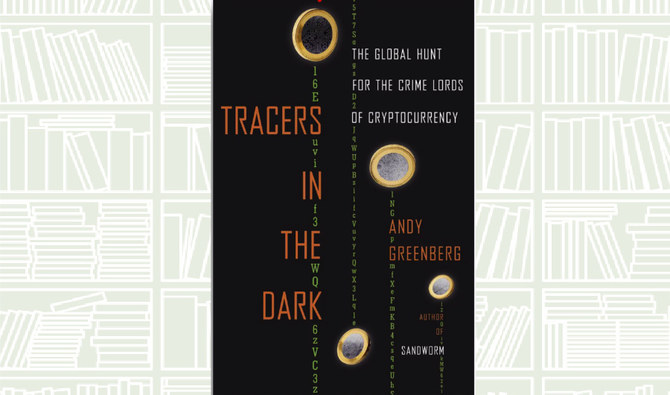
What We Are Reading Today: Tracers in the Dark

Author: Andy Greenberg

This is a great book from an amazing technology journalist — specifically covering the tools and procedures used to trace cryptocurrency transactions (e.g. bitcoin) for law enforcement purposes.
With unprecedented access to the major players in federal law enforcement and private industry, veteran cybersecurity reporter Andy Greenberg tells an astonishing saga of criminal empires built and destroyed.
Greenberg is an award-winning senior writer for Wired, covering security, privacy, information freedom, and hacker culture.
While there are countless cryptocurrencies, the book focuses on the most famous one, bitcoin. The book focuses on the mechanics of crypto, and while it has revolutionized financial services, it has spawned a massive opportunity for illicit activities.
“His previous book Sandworm: A New Era of Cyberwar and the Hunt for the Kremlin’s Most Dangerous Hackers, reads like this one. Stories that sound like they are out
of a Tom Clancy or Robert Ludlum novel, but are very nonfiction, and reflect a more significant problem facing society,” said a review on goodreads.com.

The story Greenberg tells so well encompasses a mixture of technology, international law enforcement, financial forensics, greed, and more.


What We Are Reading Today: ‘All the Lovers in the Night’

Photo/Supplied
Updated 2 min 12 sec ago
Follow

What We Are Reading Today: ‘All the Lovers in the Night’

  • Loneliness and the longing for connection sit at the heart of the novel, alongside clear-eyed examination of the ways people wound one another, sometimes unintentionally and sometimes through their own inaction

Author: Mieko Kawakami

One of my recent reads was “All the Lovers in the Night” by Mieko Kawakami, translated from Japanese by Sam Bett and David Boyd. With its contemplative, poetic yet restrained style, the 2022 novel feels best suited to late nights or unhurried stretches of reading. 

The story follows Fuyuko, a copyeditor in her thirties living a life marked by isolation. Her days pass in careful routine until she meets Mitsutsuka, an older man whose presence subtly begins to alter her perception of the world and of herself. 

Fuyuko’s interior life is shaped by fear, hesitation and a profound sense of disconnection, captured in one of the novel’s most arresting lines: “I was so scared of failing, of being hurt, that I chose nothing. I did nothing.”

Loneliness and the longing for connection sit at the heart of the novel, alongside clear-eyed examination of the ways people wound one another, sometimes unintentionally and sometimes through their own inaction. 

Kawakami is attentive to the small fractures of human relations, the choices that accumulate into regret, and the difficulty of naming desire after years of suppression. 

Her writing style is introspective and measured, with a delicate, almost meditative prose that mirrors Fuyuko’s inner world. Through her characters, she offers subtle insight into contemporary Japanese psyche, particularly the tension between individual longing and the unspoken expectations that shape adulthood.

This underlying social commentary, especially around womanhood and what it means to be a woman in Japan, echoes Kawakami’s wider body of work and feels unmistakably her own.

Fuyuko emerges as a study in the search for meaning in our modern world with its strict benchmarks for life, intimacy and personal progress. 

The novel’s deliberate pacing may test readers accustomed to momentum or plot-driven storytelling. Little happens in the conventional sense, and that sustained inward focus may not suit every reader.

Yet for those willing to linger, “All the Lovers in the Night” offers a space to sit with the beauty of precise, thoughtful writing.