



Climate change has raised the cost of natural disasters, as rising sea levels and drought increase the frequency and severity of flooding and wildfires, insurers and risk modelling experts say.
The list of the 10 most expensive events of the last decade provided to Reuters by risk modelling firm RMS all took place over the past five years.
While the biggest losses are in richer countries with more expensive assets, developing countries such as Pakistan, which suffered flooding this year that cost an estimated $3 billion, often bear the brunt of damaging weather events.
How to get money to poorer countries after climate disasters has been a dominant theme at the COP27 climate talks in Egypt, and insurance is seen as one way to do that.
On Monday, a G7-led plan dubbed “Global Shield” to provide pre-arranged insurance and disaster protection funding to countries suffering climate disasters was launched at the climate conference.
The disasters are ranked by economic losses, both insured and uninsured, with the costliest first.
1. California wildfires 2017-2018
After a multi-year drought in California, numerous fires destroyed more than 100 million trees.
Worst fires: Tubbs Fire Oct 2017, Camp Fire Nov 2018
2017 loss: $180 billion
2017 deaths: 40
2018 loss: $148.5 billion
2018 deaths: 103
Total loss: $328.5 billion
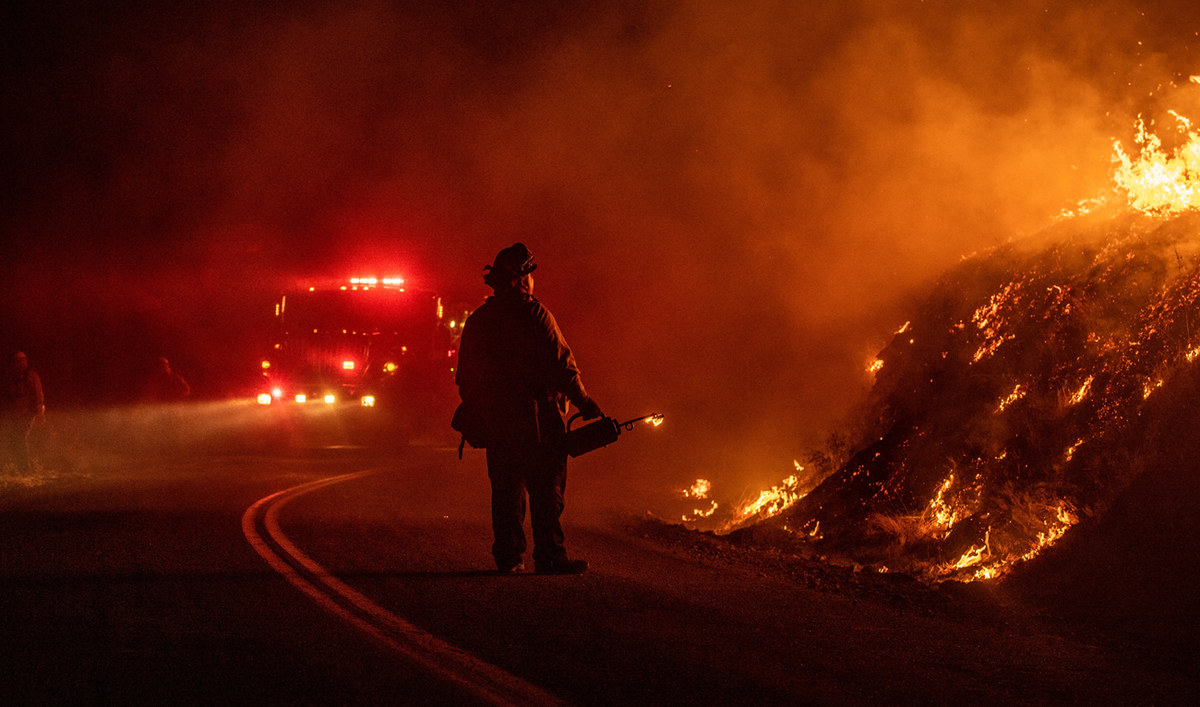
In this picture taken on October 24, 2019, a firefighter lights a back fire during the Kincade fire near Geyserville, California. (Photo courtesy: AFP/File)
2. Atlantic hurricanes Harvey, Irma, Maria Aug-Sept 2017
The three hurricanes devastated parts of Florida, Texas, Puerto Rico and the Caribbean.
Harvey loss: $125 billion
Harvey deaths: 88
Irma loss: $65 billion
Irma deaths: 134
Maria loss: $107 billion
Maria deaths: 4,600
Total loss: $297 billion
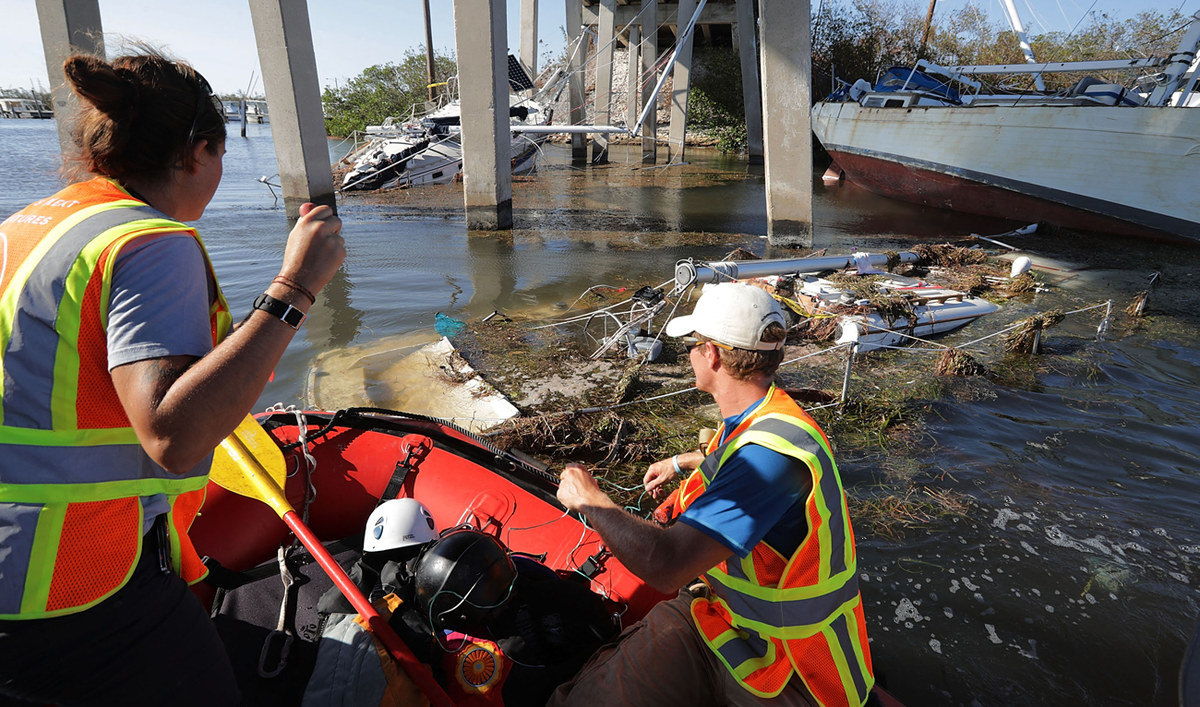
In this picture taken on September 15, 2017, rescue and aid volunteers tie boys to boats sunk by Hurricane Irma underneath the Boot Key Harbor in Marathon, Florida. (Photo courtesy: AFP/File)
3. Australian bushfires 2019-2020
Nearly 11 months of fires affected 80 percent of Australians and killed or displaced at least three billion animals.
Total loss: $110 billion
Deaths: 34
4. Hurricane Ian, Florida, Sept 2022
The hurricane hit southwestern Florida and South Carolina, with a 4-meter high storm surge on the west coast of Florida.
Total loss: more than $100 billion
Deaths: 101
5. Hurricane Ida Aug 2021
The hurricane hit Louisiana and also brought heavy rain and flooding to New Jersey and New York.
Total loss: $75 billion
Deaths: 107
6. Floods in Germany and Belgium July 2021
Between July 12-15 2021, intense rainfall caused record river levels and left a trail of destruction, mainly in Belgium and Germany but also in Austria, Switzerland and the Netherlands.
Total loss: 40 billion euros
Deaths: 230
7. Typhoons Faxai and Hagibis in Japan Aug-Oct 2019
The two typhoons hit central and eastern Japan, with Faxai causing 900,000 homes to lose power, while more than seven million people were told to evacuate due to Hagibis.
Faxai loss: $9.1 billion
Hagibis loss: $17 billion
Hagibis deaths: 85
Total loss: $26.1 billion
8. European heatwave summer 2022
Central Europe suffered three heatwaves over the course of the summer, including the hottest temperature so far measured in Britain at 40.3 degrees Celsius (104.54°F).
Total loss: more than 10 billion euros ($10.43 billion)
Deaths: 1,500 as a result of excess heat
9. Northwestern US and British Columbia Canada heatwave June-July 2021
An extreme heatwave from June 25 to July 1 across western Canada and the US Pacific Northwest, caused many wildfires.
Total loss: $8.9 billion
Fatalities: 1,400 as a result of excess heat
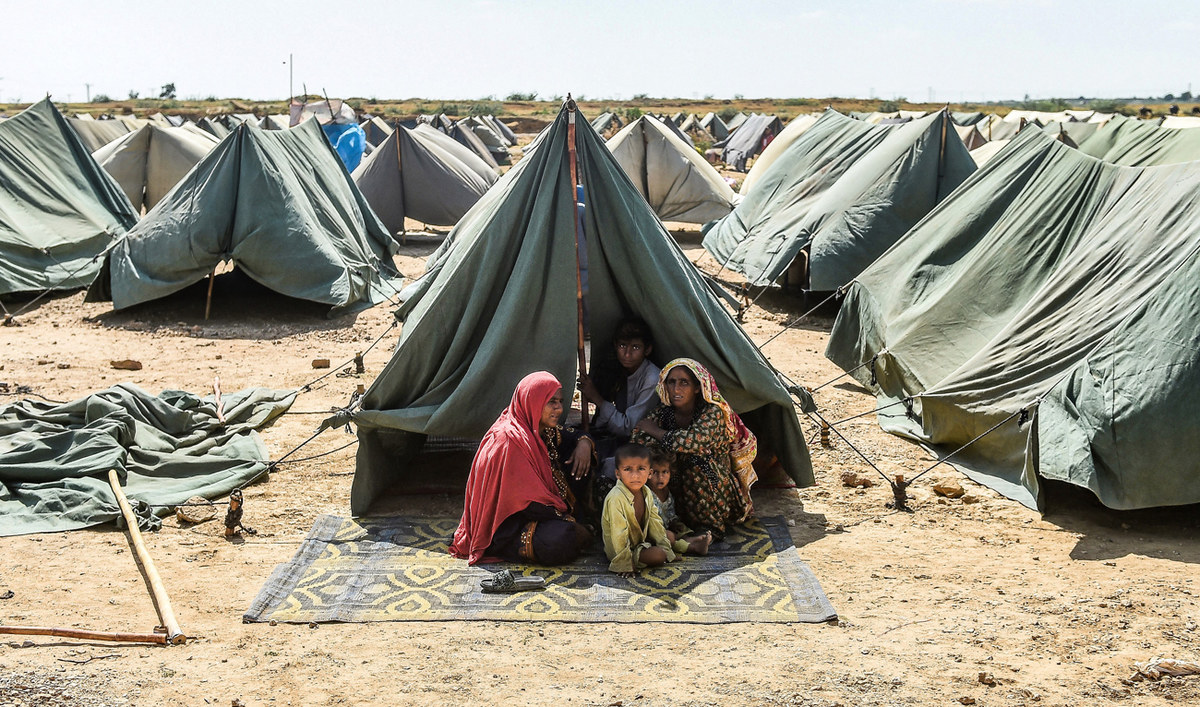
10. Pakistan floods June-Aug 2022
Intense monsoon rains and unusual heat in the Karakoram Mountains led to unprecedented glacial melt, starting floods on June 14. Floodwaters in flat-lying Indus floodplains took months to recede. The floods displaced eight million people.
Total loss: $3 billion
Deaths: 1,717
Source: RMS
In this picture taken on October 24, 2019, a firefighter lights a back fire during the Kincade fire near Geyserville, California. (Photo courtesy: AFP/File)


