
As world leaders gather for COP27 in Egypt’s Sharm El-Sheikh this week, a new SAP Insights survey indicates that businesses in the Middle East and around the world are increasingly seeing the imperative of adopting a sustainability strategy, with top motivators cited as remaining competitive and profitable, alongside growing pressure from customers.
The new SAP Wave 2 global sustainability survey, which builds on the results of last year’s inaugural survey as well as recent collaborative research with Oxford Economics, collected data from 6,669 business leaders across 29 industries and 40 countries from regions including the Middle East. It was found that more than 60 percent of business leaders recognized that sustainability has a moderate or strong effect on their long-term competitiveness and profitability. In addition, customer demand as a sustainability motivator has increased sevenfold in 2022 over the inaugural 2021 survey.
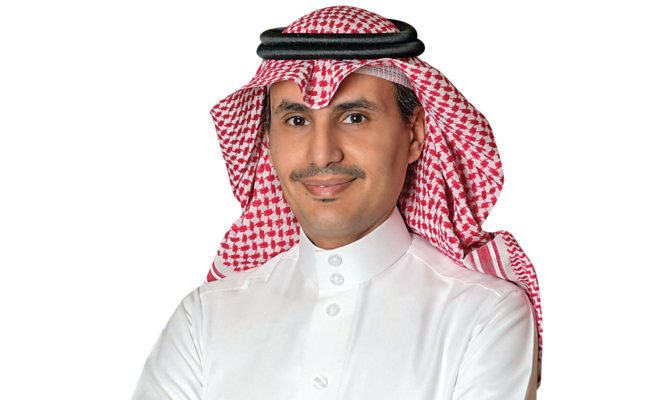
Ahmed Al-Faifi, senior vice president of SAP Middle East and North Africa, said: “The survey found an impressive shift in the importance afforded to sustainability strategies in terms of both perceived value and investment. For example, almost 90 percent of businesses reported that sustainability informs their business decisions. Moreover, despite persistent global supply chain disruptions, labor shortages, and inflation, the percentage of businesses investing in the environment for the first time has increased fivefold since 2021.”
Al-Faifi added that the survey found 75 percent of business leaders polled said they would either increase or maintain their current levels of investment. Of those planning to increase investments, 80 percent were intending to boost spending by more than 10 percent.
Despite these and other positive findings, the survey indicated that data quality appears to be a challenge for many businesses. Al-Faifi said: “Although respondents in 2022 were more likely to be satisfied with their environmental sustainability data than they were last year, there is still a long way to go. Only 23 percent of businesses are completely satisfied with their data, the rest point to gaps in the sources, quality and scope of their data as their top dissatisfactions. This is one of the reasons SAP focuses on incorporating sustainability metrics into all business processes when designing our solutions, in addition to having solutions dedicated solely to sustainability measurements and analysis.”
Looking to the future, Al-Faifi said businesses that are facing challenges or growing pains in their sustainability efforts can seek inspiration from the strategies used by environmental leaders. Here he is referring to a small group of environmental leaders identified through a study undertaken jointly by SAP and Oxford Economics in mid-2022, who represented around nine percent of the 2,000 business leaders surveyed.
Business leaders were defined by traits such as setting clear expectations at the strategic level, applying the transformative power of technology and data management and engaging with important audiences such as employees, supply chain partners and policymakers.