

Middle East interest expected as Telenor starts sale of Pakistan business — media

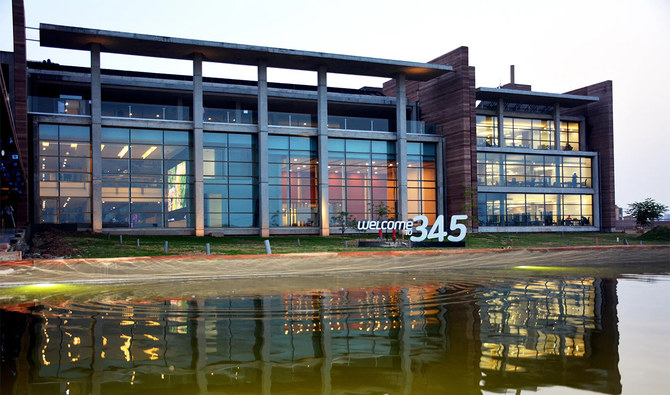
The undated photo shows Telenor's 345 office in Islamabad, Pakistan. (Photo courtesy: Telenor)
Short Url
Updated 10 November 2022
Follow

Middle East interest expected as Telenor starts sale of Pakistan business — media

  • Norwegian telecom operator is working with Citigroup
  • Unit expected to draw strategic bidders from Asia, Mideast

ISLAMABAD: Telenor ASA is pushing ahead with plans to sell its operations in Pakistan, which could be valued at about $1 billion, Bloomberg reported this week, saying interest was expected from buyers in the Middle East and Asia.

The Norwegian telecommunications operator is working with Citigroup Inc. and will invite first round bids for the business later this month.

Telenor said in July that it would conduct a strategic review of its Pakistan unit after posting a 2.5 billion-krone ($244 million) impairment on operations in the emerging economy.

“Strategic buyers in the Middle East and Asia with existing operations in Pakistan are expected to show interest, according to the people,” Bloomberg said. “Deliberations are ongoing and there’s no certainty they’ll result in a transaction.”

Representatives for Citigroup and Telenor declined to comment.

Shares in Telenor rose as much as 2.4 percent on Wednesday. The stock was up 1.8 percent at 14:02 p.m. in Oslo, giving the company a market value of $13 billion.

In October, Telenor said underlying earnings in Pakistan fell 22 percent in the third quarter, in part because of rising energy prices in the country. The impact of this was offset by a gain from the reversal of a SIM tax in Pakistan.


Pakistan bank enables Shariah-compliant digital payment facility for passengers at Islamabad airport

Updated 23 February 2026
Follow

Pakistan bank enables Shariah-compliant digital payment facility for passengers at Islamabad airport

  • Pakistan is a cash-dominated market where a significant portion of transactions in the informal sector are made without any taxes, officials say
  • The move comes amid Pakistan’s efforts to introduce a cashless model at airports under which only digital service providers can provide services

KARACHI: Aik, Pakistan’s first Islamic digital bank, has enabled fully digital payments at Islamabad International Airport to offer travelers and passengers secure, Shariah compliant digital transaction facility.

The development comes amid Pakistan’s efforts to introduce a cashless model at airports across the country, under which only digital service providers can provide services to customers.

Aik, a subsidiary of Bank Islami, said it has onboarded merchants across the Islamabad airport and integrated QR code deployments at key touchpoints to allow passengers and visitors to make secure, seamless, and Shariah-compliant digital transactions at all counters, retail outlets, and service points.

It said the implementation complies with the regulations and framework set by the State Bank of Pakistan (SBP) and is a working model for a large-scale adoption of cashless systems in public infrastructure.

“This deployment reflects our commitment to building practical digital infrastructure that improves everyday transactions,” Aik Chief Officer Ashfaque Ahmed said in a statement.

“By enabling a fully cashless environment at a major national gateway, we are supporting efficiency, transparency, and financial inclusion at scale. This is not only a project; it is a foundation for Pakistan’s cashless future.”

Pakistan is a cash-dominated market where a significant portion of transactions, particularly in the informal sector, are conducted in cash. Officials say many of these transactions are aimed at avoiding taxes.

In recent years, the SBP has taken steps to ensure a transition toward a more cashless economy so that transactions are more traceable, reducing chances of tax evasion and corruption.

By digitizing Islamabad airport, aik said it continues to invest in secure and accessible financial solutions that “expand digital participation and support national economic modernization.”