- Local business community says Pakistan’s exports are suffering due to currency fluctuations, lack of raw material
- Industrial stakeholders ask government to import cotton from India, though economists rule out the possibility
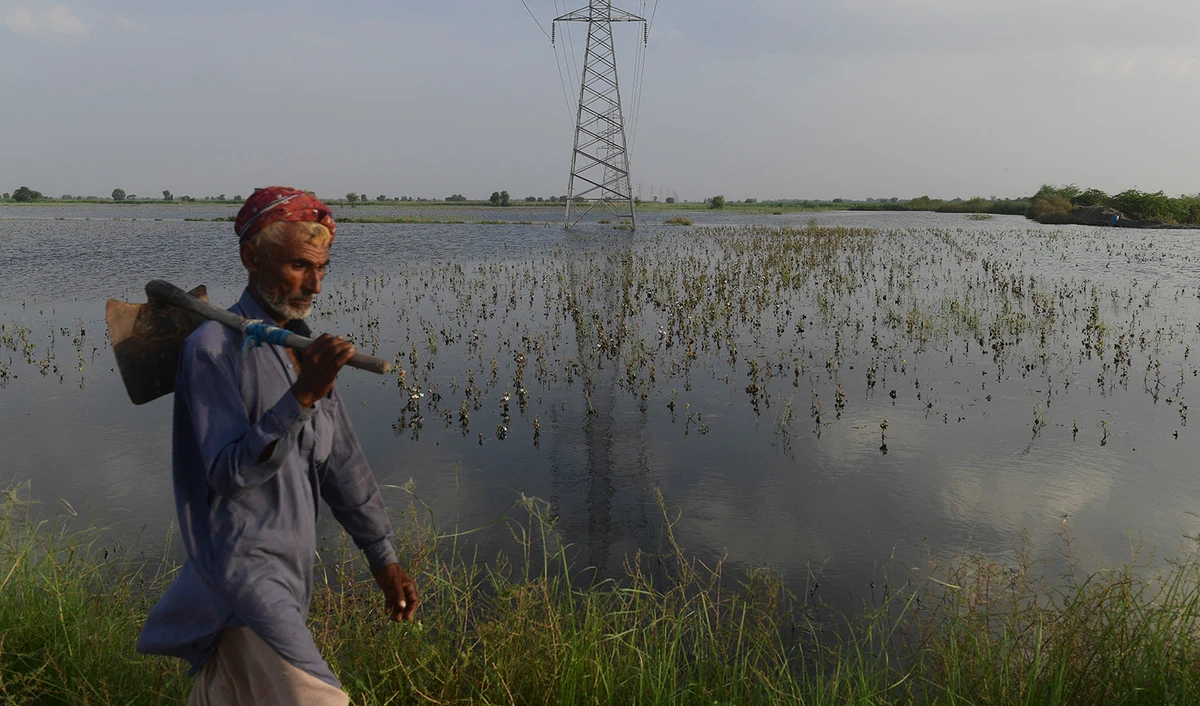
KARACHI: Local industrialists and experts said on Thursday the recent floods in Pakistan were likely to reduce its exports by 35 to 50 percent since monsoon rains had caused significant damage to crops and infrastructure while dealing a severe blow to the textile sector which is the country’s largest exporter.
While officials are still striving measure the scale of destruction, initial assessments suggest record rains and floods this year inundated one-third of the country while uprooting about 33 million people.
Pakistan’s planning minister Ahsan Iqbal said in a recent statement the flood-related damage could exceed $40 billion, though he added the government was working with international financial agencies to quantify the extent of devastation.
“The scale of the flood destruction is huge and still not comprehensively fathomed,” Muhammad Noman, convener of the central committee on exports at the Federation of Pakistan Chamber of Commerce and Industry, told Arab News. “Initial estimates suggest that the country’s exports may get 35 to 50 percent setback.”
He maintained several factors were responsible for Pakistan’s inability to export more to the international market apart from the recent floods while mentioning the fluctuation of national currency, supply constraints and global economic slowdown due to the Russia-Ukraine war.
Pakistan’s devastating floods have almost wiped out the entire cotton crop, the main raw material for the textile sector, in the province of Sindh.
The floods have also partially damaged the crop in Punjab, causing a huge setback to the country’s biggest foreign exchange earning sector.
Pakistan’s overall exports during the last fiscal year stood at $31.79 billion out of which the textile sector contributed $19.32 billion, or 60.5 percent.
“Large swathes of cotton producing areas have been submerged by floods,” Muhammad Jawed Bilwani, chairman of the Pakistan Apparel Forum, told Arab News. “There are multiple issues with exports, including an increase in the cost of doing business and the refusal of authorities to open letters of credit which is also causing raw material issues. The exact impact of floods on our exports will be determined after three to four months when the current inventory of mills dries up.”
Pakistan’s textile sector requires about 12-14 million cotton bales on an annual basis, though local cotton production is expected to be around 6.5 million to 7.5 million bales this year.
The shortfall is expected to be met through imports.
Pakistan has also purchased raw cotton from the international market in the past, including the last fiscal year.
“We will have to import 1.5 million additional bales during the current year,” Khurram Mukhtar, patron-in-chief of the Pakistan Textile Exporters’ Association, said. “Commodity prices for all manufacturing countries are the same, driven by the US cotton index, so it will not affect our competitiveness.”
“The demand has gone down for domestic market consumption,” he continued. “Pakistan is still the most competitive country and we have one of the best infrastructures in the textile value chain. We have the most experience in making finished products among our peers.”
Mukhtar, however, supported the idea of importing cotton from neighboring India, saying the prices of the commodity had declined over there in recent weeks.
“The government must allow raw cotton and vegetable import from India to deal with the prevailing situation,” he added.
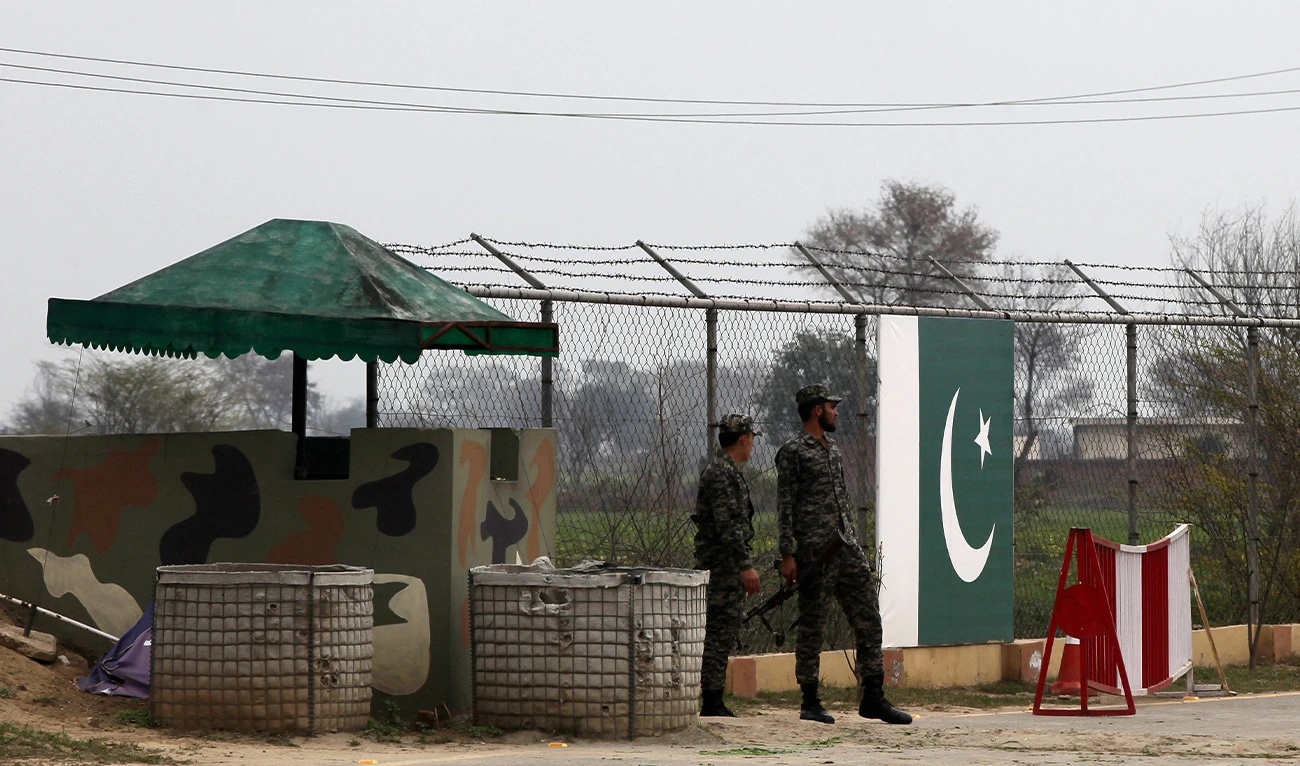
However, a senior economist said it would be difficult for Pakistan to trade with India under the current circumstances, adding that any such exchange would be subjected to non-tariff barriers.
“We have never enjoyed normal trade relations with India,” Dr. Ashfaque Hassan Khan said. “Our trade pattern with New Delhi has always been abnormal when we compare it to our economic ties with other countries.”
“In the past, whenever we needed commodities like sugar etc., we imported them from India,” he added. “They never said no to us, but they resorted to non-tariff barriers.”
Khan said he did not see much hope for trade between the two countries after Pakistan downgraded its relations with New Delhi in August 2019 when the Indian administration revoked the special constitutional status of Kashmir.