



RIYADH: This week, Twitter held its #TwitterConnect event in Riyadh, bringing together advertisers, influencers and media partners to discuss the company’s achievements.
Antoine Caironi, interim regional director of Twitter for the Middle East and North Africa region, said: “Twitter remains the most prominent communication platform through which you can follow everything happening in the world, with events and interactions moment by moment in real-time.
“The company’s continuous investment in modernizing and improving services during the current year has contributed to achieving real growth.”
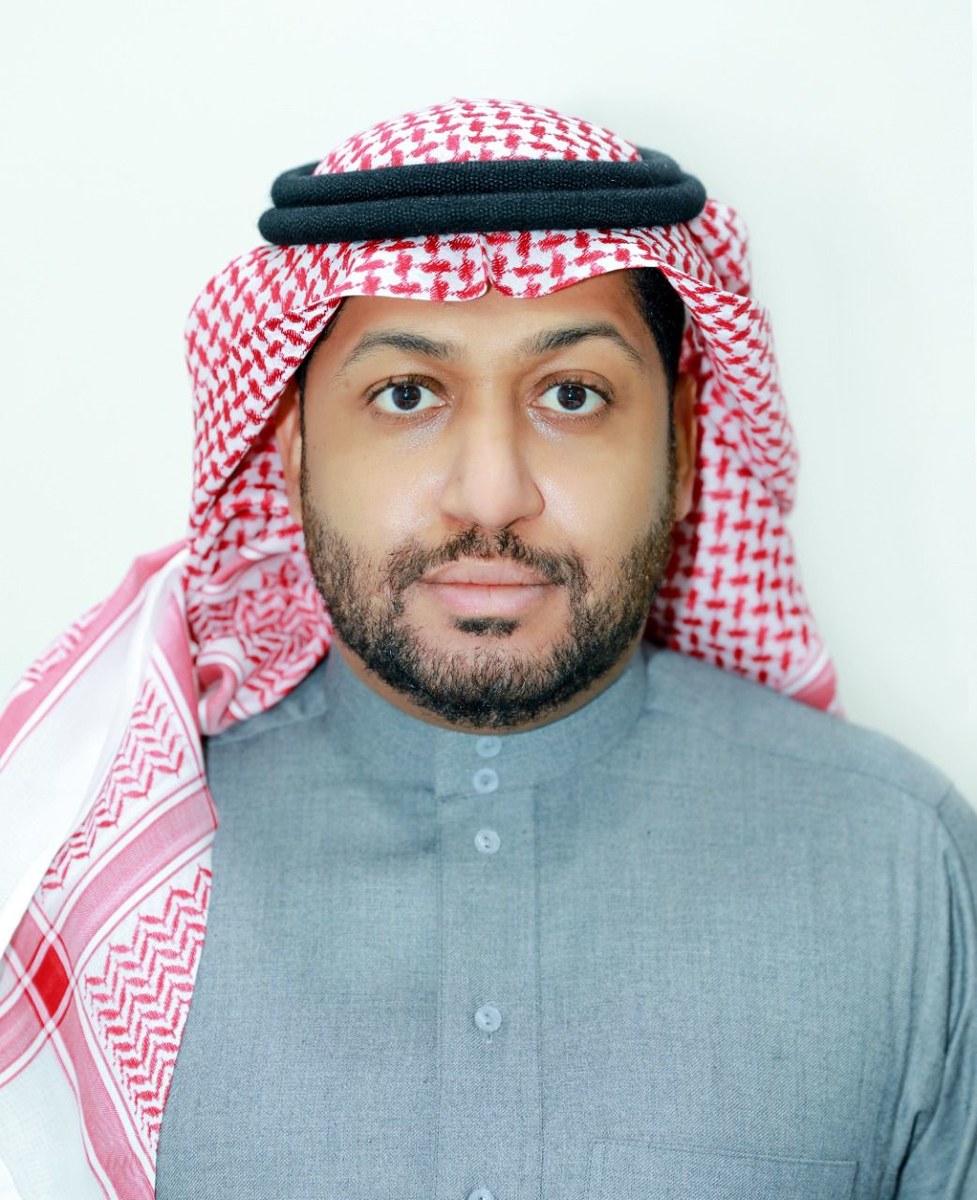
Abdullah Al-Qattan, CEO of Almuather Arraqmi (The Digital Influencer) Company. (Supplied)
This year, Twitter introduced new features such as Branded Likes, which allow advertisers to “own” the timeline for a 24-hour period and transform the “like” button with a custom animation using brand imagery. The feature was initially rolled out in four key markets, including Saudi Arabia.
During testing, Branded Likes generated a positive impact when paired with the Timeline Takeover feature, resulting in a 277 percent increase in recall and a 202 percent lift in purchase and consideration intent.
While other platforms, such as TikTok and Instagram, attract users with short videos and endless scrolling, Twitter is viewed by many as being for those who like to engage with more than just videos.
Saudi influencer Talal Al-Azhari said: “Twitter is suitable for those who love writing and reading articles more than watching videos.”
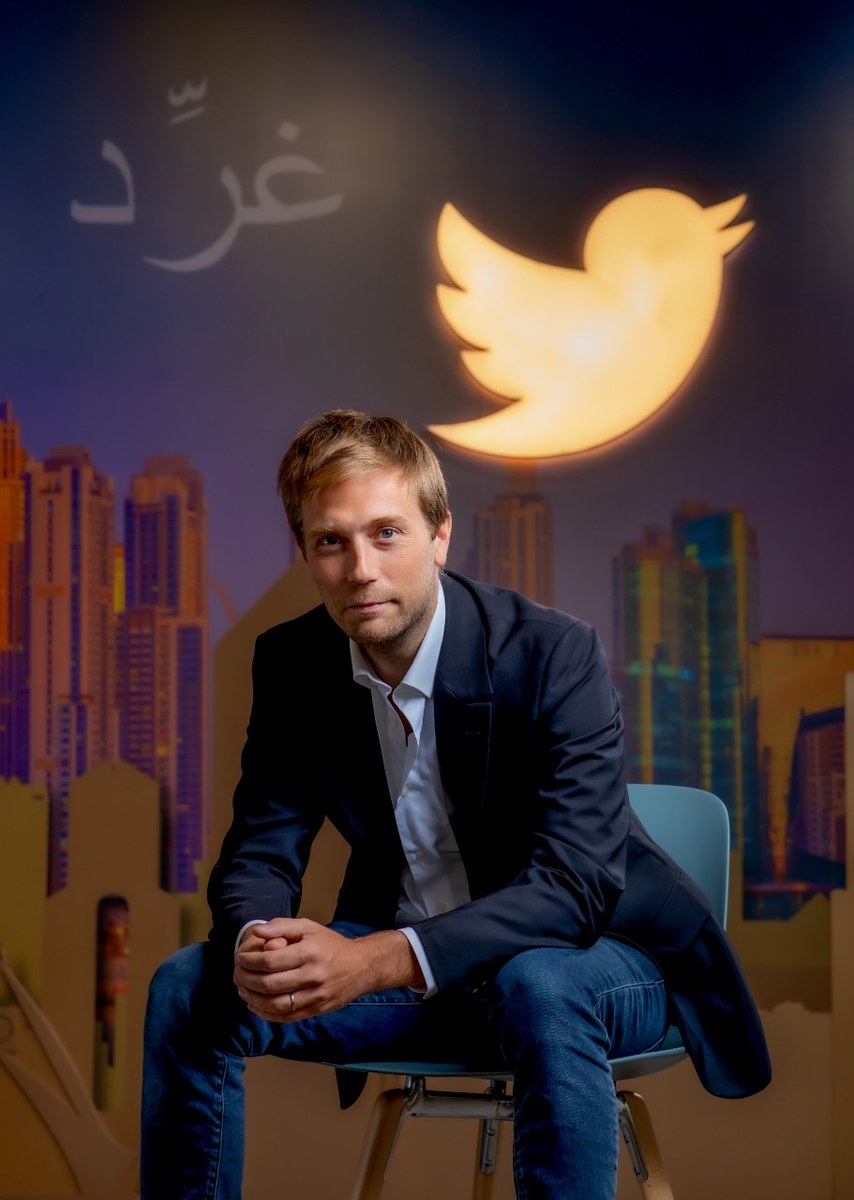
Antoine Caironi, the Interim Regional Director of Twitter in the Middle East and North Africa. (Supplied)
A number of Twitter representatives, including Kinda Ibrahim, director of partnerships, and Rabih El-Khoury, head of agency partnerships, shared details of successful campaigns and trends over the past year.
For example, on Saudi National Day 2021 there was a 12 percent increase in the volume of conversations compared with 2020. The most popular content format was videos, with 573 million video views recorded on the day.
In August this year, Twitter recorded a 74 percent increase in average monthly conversations about soccer compared with last year, confirming that football is one of the region’s most interesting trends.
In line with this trend, Twitter recently partnered with beIN Sports, the official broadcaster of the 2022 FIFA World Cup across the MENA region, to share key moments throughout the world’s biggest football event, which kicks off in Qatar on Nov. 20, and provide brands and marketers with association opportunities.
Each match will be highlighted through content clips, a match recap, and in-studio analysis, all shared through the beIN Sports official handle, @beINSPORTS.
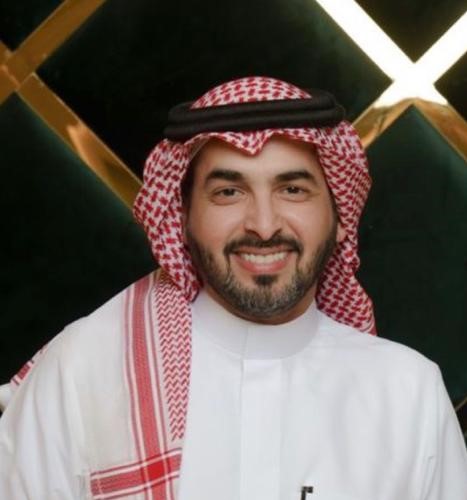
Talal Al-Azhari, Saudi influencer in Snapchat and Tiktok. (Supplied)
Commenting on the role of social media and Twitter in journalism, Abdullah Al-Qattan, CEO of the Digital Influencer Company and a contributor to Rwad Alaamal (The Entrepreneurs) magazine, said: “I believe the journalist has now become a comprehensive journalist because of social media.”
Twitter also announced the next chapter in its strategy moving forward: Drive People to Buy. In 2021, tweets about shopping received 56 billion impressions. People on the platform are talking about “buying,” “booking,” “sale,” “looking,” “trying,” and “helping,” the event heard, showing that people turn to Twitter at various stages during the shopping cycle.
The move comes as other platforms also jump on the social commerce trend, which is expected to grow into a $1.2 trillion industry by 2025, according to Accenture.
Twitter’s second-quarter earnings revealed a 16 percent year-on-year increase in average “monetizable” daily active users. This is reflected in audience engagement, which increased by 39 percent in terms of tweet engagement and 29 percent in platform watch time.


