
LONDON: A British counterterrorism legal expert has warned that the UK’s anti-slavery laws could pose a threat to national security.
Jonathan Hall QC, the UK’s independent reviewer of terrorism legislation, said that what the law considered to be a victim of trafficking or slavery was now so broad that it could lead to terror suspects, especially those radicalized as minors, escaping justice, as they could argue they were victims.
He feared authorities in the UK could prioritize the idea of treating suspects as victims over the threat they posed to the UK, on the grounds that they made decisions because they were underage or were coerced.
Hall told The Times: “The definition and the way in which the law is applied is over-broad. It is at odds with the fact that children are not generally seen as victims when they commit other crimes, just because someone suggests they should do so.”
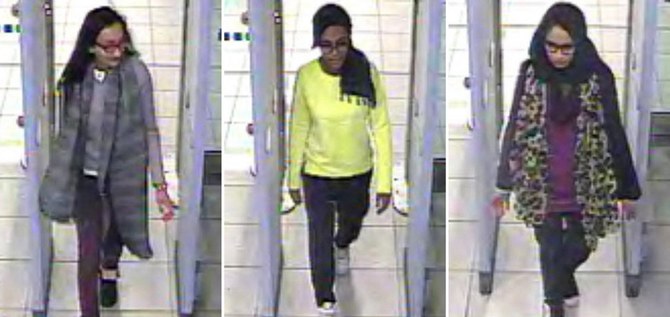
His comments come in the wake of claims made in a new book that former Daesh member Shamima Begum, who left the UK aged 15 for Syria in 2015, was smuggled into the country by a people trafficker who also worked for Canadian intelligence.
“The Secret History of the Five Eyes,” written by former Sunday Times reporter Richard Kerbaj, alleged that Ottawa asked London to help cover up the trafficker’s role in Begum, along with two other girls from London, joining the group.
Begum was subsequently stripped of her UK citizenship by the Home Office and is currently detained in a Kurdish prison camp for Daesh members in northern Syria, where, she claims, she is a victim of human trafficking and online grooming.
Supporters of Begum suggest she is a victim, while the book’s allegations imply parts of the UK government were aware of the role of Canadian intelligence in smuggling her to Syria, and Britain’s own role in covering it up, when she was stripped of her citizenship. An appeal is due to be heard in November.
A spokesman for Mayor of London Sadiq Khan, said: “Whilst the full facts are not clear, what is clear is that Shamima Begum was a child when she traveled to Syria, and she may well have been trafficked there.
“If these reports are true, then the Home Office should answer for why this was not taken into account when the revocation of Shamima’s citizenship was decided.”
In January, a 16-year-old suspected of involvement in far-right terror activity in the UK was freed after her barristers successfully argued, using the Modern Slavery Act, that she was a victim of trafficking, setting a possible precedent for future underage extremist cases.
Hall noted that the case would have “wider ramifications.” He said: “Our UK law goes beyond international obligations by allowing people the defense on the basis they are a victim of slavery or trafficking.”
Begum’s case, Hall added, should take into account the manner in which she ended up in Syria, but needed to rely more on the risk she posed to UK security than the question of whether or not she had been a victim, which he called a “distraction.”
The UK Home Office told The Times that it did not comment on matters of state intelligence.