

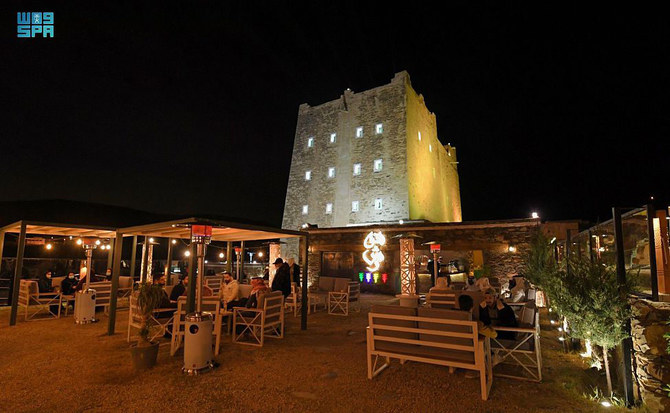
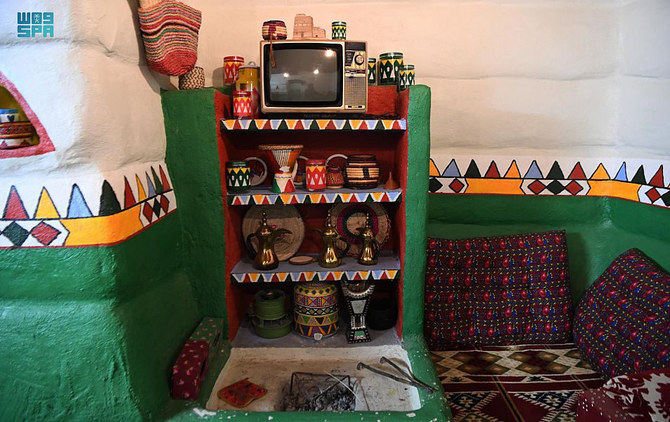

ABHA: Ancient palaces and forts in Asir region have been restored to attract tourists to experience history in a modern setting.
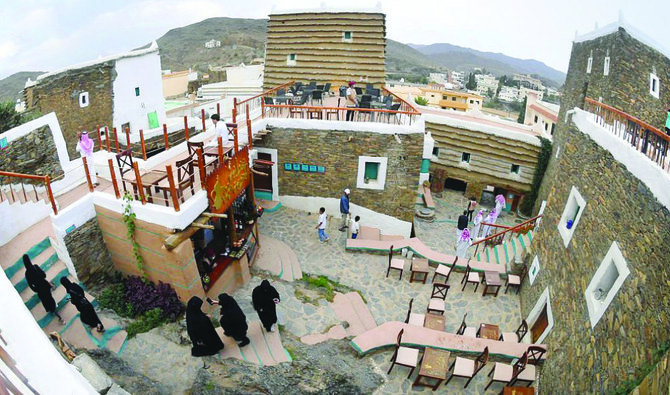
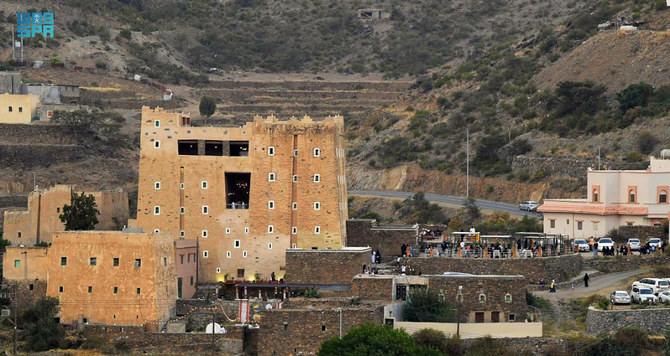
The palaces and forts are located in six different areas varying in size and height. Some of the structures that have been restored are Abu Nuqtah Palace in Tabab near Abha, Lahj Palace located in Al-Dara village in Abha, and the Wazih and Aziz palaces and Al-Musalla fort in Al-Abu Sarah, located in Al-Aziza village of Al-Soudah.
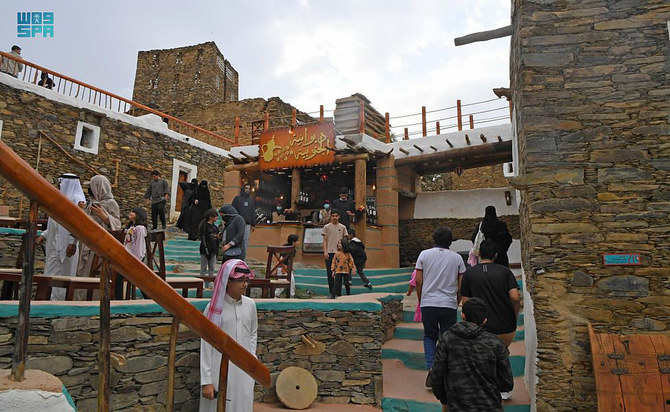
The palaces, some of which are more than 200 years old, are made of stones and wood, and have been turned into hotels with cafes and restaurants and other modern amenities, while preserving original architectural aesthetics. 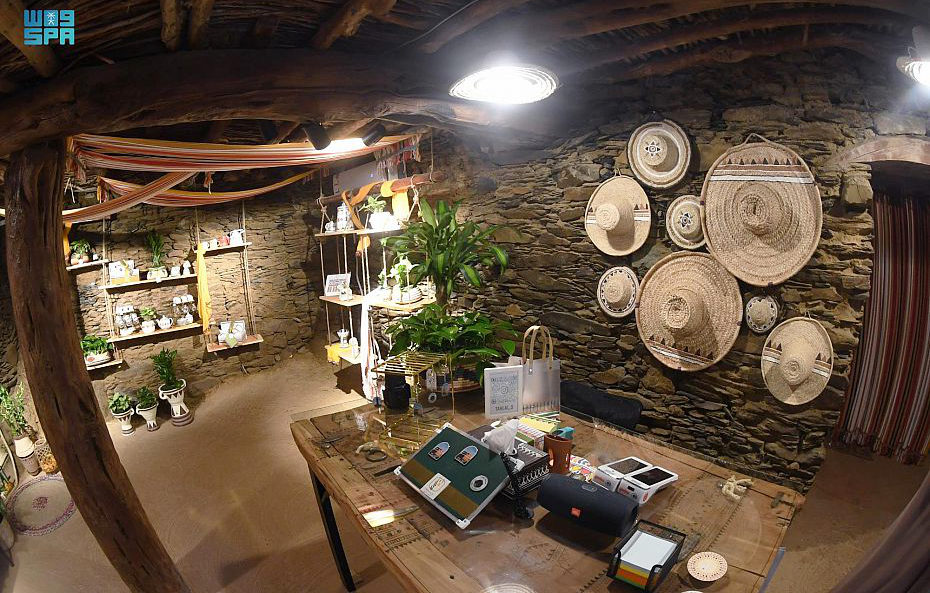
Saeed bin Saud Al-Mathami, chairman of the board of directors of Abu Nuqtah Al-Mathami Center, said the idea of restoring and rehabilitating the old palaces was to support cultural tourism in the Kingdom based on its rich heritage.
Al-Mathami said that the historic sites not only attract tourists but also educate future generations about the region’s culture and history “that we all are proud of.”
Al-Mathami also said that rehabilitating these palaces will support the local economy and bring scores of opportunities for the region. “We have started to feel the economic impact on society of these tourist projects,” he said.
Abdulaziz Abu Sarah, supervisor of the sites, said that these palaces are among the many sites in Asir region that bear witness to the area’s history of civilization, and that their importance lies in informing the current generation of the region’s culture.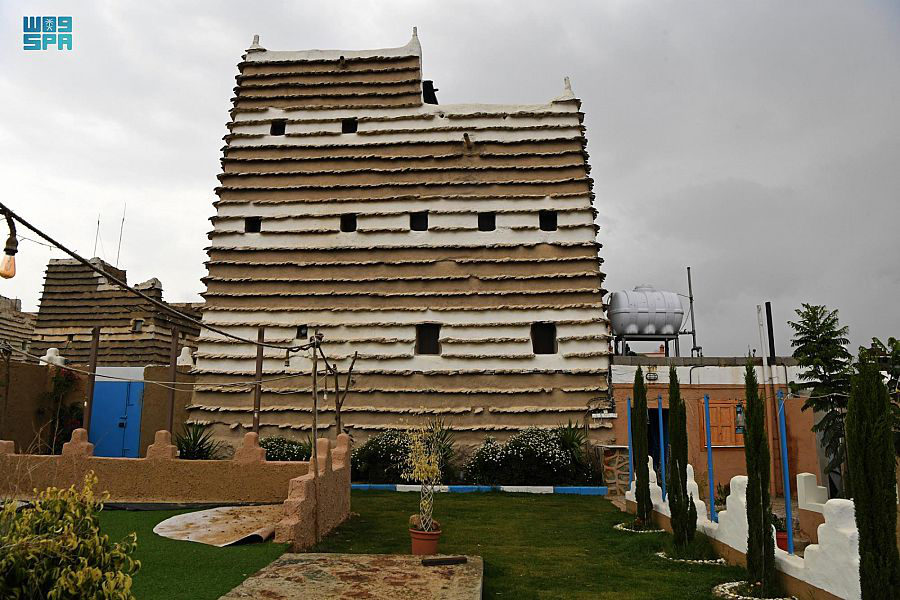
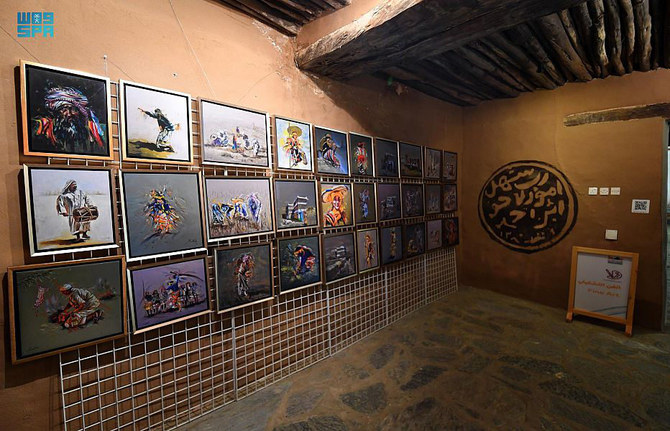
Abu Sarah said demand has increased as children and adults enjoy the ambiance, food and folklore.
Rehabilitating and restoring old forts and palaces requires special skills and knowledge, as they should not be altered significantly during the restoration process, he said.
“Adding modern things is acceptable when it concerns the restaurants and cafes. However, the restoration and construction materials should be traditional and stem from the surrounding environment … without adding modern elements, and it should be done under the supervision of construction experts from the region,” he added.
In Abha, Abdulaziz Makhafa has invested in the four-storey Lajh fort.
He said that the site started to receive visitors last year and the demand was beyond his expectations. Visitors enjoyed staying in the fort’s rooms and eating popular dishes.
Makhafa said he was encouraged to take this step by the Kingdom’s Vision 2030, which also focuses on investing and preserving in heritage properties.
According to the latest statistics of the Saudi Heritage Commission, Asir region has 4,275 heritage villages, some of which are 500 years old, in addition to 651 recorded historical sites that have inscriptions and carvings dating back to pre-Islamic eras.


