

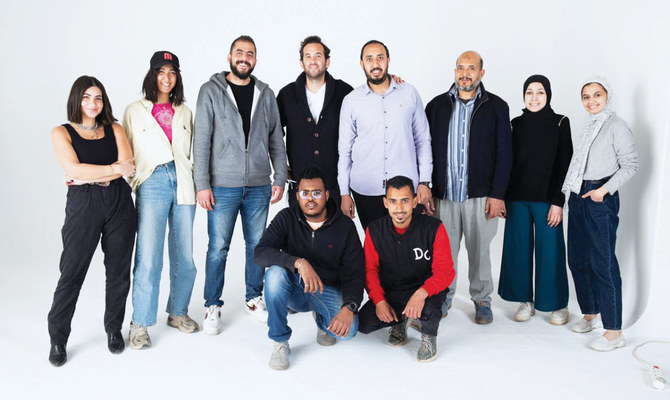

CAIRO: Egypt-based e-commerce fashion brand Dresscode is now operating in Saudi Arabia as it plans to become a global brand.
During an exclusive interview with Arab News, Mohammed Abdeldayem, CEO and founder of Dresscode, said that the company is focusing on empowering the Kingdom’s youth through its brand.
“We’re very focused on Generation Z or 18- to 25-year-olds; this is our core market. We came to Saudi Arabia because more than 50 percent of the population is within this age bracket. So there is a huge youth population,” Abdeldayem said.
Dresscode is not your typical fast-fashion brand as it focuses its business operations on sustainability, data, technology and affordability.
“Before Dresscode, we had on-ground stores; then we decided to build an online store that focuses on data analytics,” Abdeldayem said.
Abdeldayem explains that his staff focuses mostly on designs as they want to provide customers with at least 200 new styles a month.
Sustainability in fashion
Fashion is an ever-changing and fast-paced industry; when it comes to keeping up with what the customer wants and focusing on sustainability, Dresscode has balanced it perfectly.
Abdeldayem said that the brand has been able to move its model to a sustainable one by focusing on pre-orders with a considerable number of monthly designs.
“Why would I go buy this item in thousands? This is not what the young generation wants; the generation wants to be unique and special,” he added.
Partnering with about 50 factories, the company dramatically shrunk its batch size and focused on pre-orders using its unique technology.
“We had done more than 100,000 orders that were pre-ordered, which means that we had not produced it before it was ordered. We also use recycled yarns and fabrics in 50 percent of our production,” he stated.
Founded in 2019, the company now has over 15 in-house designers keeping up with the trend and from 500 to 700 orders per day.
“We’re doing between 500 and 700 orders a day. And it could reach 1,000 within the next two or three months. So, this is why we have been given the appetite to look into other markets,” he said.
Why Saudi’s youth?
Abdeldayem explained that the Kingdom’s youth is now the main target for the company, stating that 10 percent of its current orders are coming from the Kingdom.
“Part of our research was that the average Saudi national buys around 70 to 80 new items a year. So, this is a big market for us, compared to the Egyptians, who buy 30 to 40 items per year,” he stated.
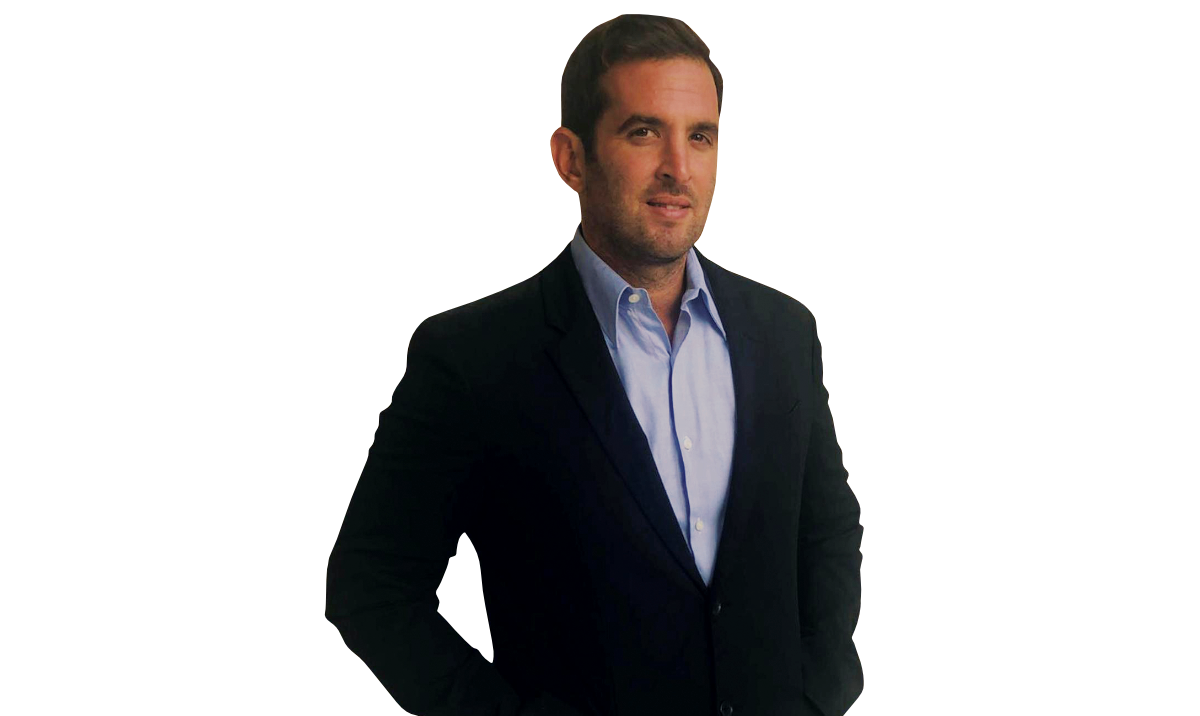
We came to Saudi Arabia because more than 50 percent of the population is within this age bracket.
Mohammed Abdeldayem, CEO and founder of Dresscode.
Abdeldayem is also very intrigued with the change in the Kingdom as the population is absorbing new cultures with open arms.
“We’re working closely with influencers now in Saudi Arabia and creating influencer brands to be sold on our platform. We could do so many things to localize the fashion industry,” he added.
Moreover, the company received its first funding back in 2021 from Egypt Ventures, a collaboration between Saudi Fund for Development and the Egyptian Government. It received $500,000 and massive support from Saudi investors.
“We’re going to Saudi because the Saudi Fund for Development invested in our company. So we’re paying back as well, and we have huge support there in Saudi Arabia,” Abdeldayem added.
The company is planning to become a global brand with other expansion plans in Africa and Gulf Cooperation Council countries.
“After Saudi Arabia, Dubai will come, followed by Bahrain and other neighboring countries. We also plan to enter Africa. Our sister company already has an on-ground operation in Kenya. So, it’s easy for us to establish all the logistics and all the needs,” Abdeldayem added.
The company is also planning to raise series A funding to get $5 million and establish an office in the Kingdom.


