
ISLAMABAD: Pakistani authorities and a global animal rights advocacy group, PETA, will be working on replacing animals in medical training, classroom dissection exercises and setting up a national non-animal research method database in the South Asian country, the animal rights group said on Friday.
The statement came after a meeting of PETA officials and Salman Sufi, head of Pakistan Prime Minister Shehbaz Sharif’s strategic reforms unit, to discuss several potential collaboration topics relating to animal rights in Pakistan.
These topics included helping Pakistani provinces and universities transition to using more effective, ethical and economical non-animal simulation models for veterinary education, implementing an education program to help children and adults better appreciate how to share the world with animals, and assisting with repatriation efforts for non-native species who have been cruelly trafficked into Pakistan to be kept as household pets and decorations.
“PETA will be sending follow-up information to Mr. Sufi for his consideration in implementing other strategic important reforms — including replacing the use of animals in medical training, classroom dissection exercises, and biomedical research with superior, state-of-the art methods, as well as setting up a national non-animal research methods database and working to implement PETA’s Research Modernization Deal in Pakistan,” the animal rights group said in a statement.
“We look forward to a long and productive collaboration that will benefit animals, advance human health, and boost Pakistan’s status on the world stage.”
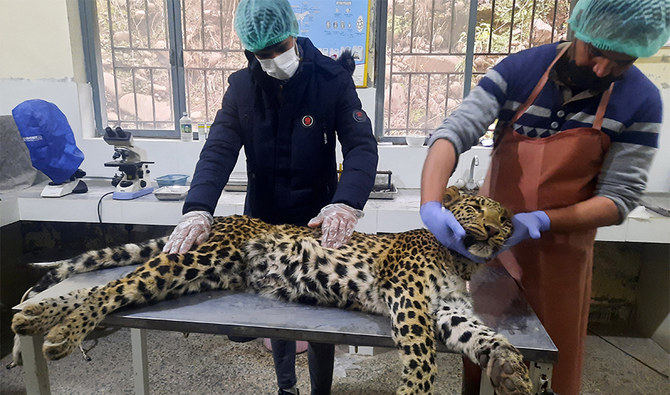
In a rare move to ensure animal rights in Pakistan, the government on June 30 banned testing and surgeries on live animals at veterinary schools and industrial complexes in the federal capital, Islamabad, and announced a 15,000 rupee ($65) fine and jail term for animal cruelty offenders.
The move came after widespread outrage in Pakistan over videos that went viral in May showing animals in various states of distress after allegedly being operated upon by veterinary students. Activists and members of the public widely condemned the practices and demanded action.
Arab News last month interviewed about a dozen veterinary students belonging to Arid Agriculture University in Rawalpindi, the University of Veterinary and Animal Sciences in Lahore, Riphah International University in Islamabad and Sindh Agriculture University, Tandojam. The students and graduates said they were aware that surgeries and experiments were performed at their institute on live animals but that anesthesia was administered.
At veterinary schools around the world, the practice of using live animals to teach surgery has been on the decline in the last decade, but an Arab News investigation published on June 10 quoted students and university management saying live animals were being used to teach surgical skills, though they added proper procedures were followed.
On July 18, PETA also wrote to Riphah International University in Islamabad, citing the June 10 article published by Arab News and seeking a response to the investigation suggesting that the institution required students to obtain stray dogs for harmful surgical practice training.
The animal rights group urged Riphah International University campuses to immediately implement Sufi’s policy ban on the use of live animals in testing and surgical veterinary training as well as use superior and humane simulation models in veterinary and zoology training.