

ISLAMABAD: Pakistan’s central bank said on Saturday it welcomed a recent verdict by the Federal Shariat Court (FSC) to end interest-based banking within five years, though it had also sought “guidance” from the top court regarding the modalities involved in implementing the ruling.
Established in 1980, the FSC can evaluate different legal provisions in the country to determine the extent of their compliance with the fundamental principles of religion.
The court instructed the government in April to transform the country’s financial system by eliminating “riba” within five years, saying that Islam prohibited interest in all its forms and manifestations.
“After detailed review of the judgment and based upon the advice of our Chief Legal Adviser and external counsel, we have sought guidance from the honorable Shariat Appelate Bench of the Supreme Court in terms of its implementation and practicalities involved,” the State Bank of Pakistan (SBP) said in a statement.
The central bank maintained it was the prime custodian and regulator of the financial and monetary framework of the country, adding it was “deeply committed to ensuring compliance with the injunctions of Islam” in that capacity while also protecting the stability and security of the financial sector of Pakistan “that functions as part of the global financial system.”
“SBP is among the few regulators across the globe where comprehensive legal, regulatory and Shariah Governance frameworks have been successfully developed and implemented,” the statement added.
However, it noted in its submission to the Supreme Court it was not realistic to demand a total transformation of the banking system within the prescribed time frame.
“A mass-scale conversion of the banking system will require infrastructural investment and changes at a mega scale (at least five times more within the next five years as compared to the current level that has been achieved in more than 20 years),” Pakistan’s Dawn newspaper quoted a passage from the document submitted in the top court.
“Abruptness in implementation will create uncertainty in the banking sector, which may bring instability to the whole economy,” it added.
The central bank also highlighted the international dimension of the problem.
“While Islamic modes of finance are a growing area of interest for foreign providers of finance, the adoption of particular modes of finance with respect to any particular advance is not in the hands of the state of Pakistan and its various instrumentalities,” it noted. “Funding arrangements with international providers of finance are a matter of negotiations carried out by the designated officials/authorities of the state of Pakistan. The form and the terms of such arrangements are not dictated by any law in force in Pakistan but are a result of the best outcome that the state can achieve in the arena of international finance.”
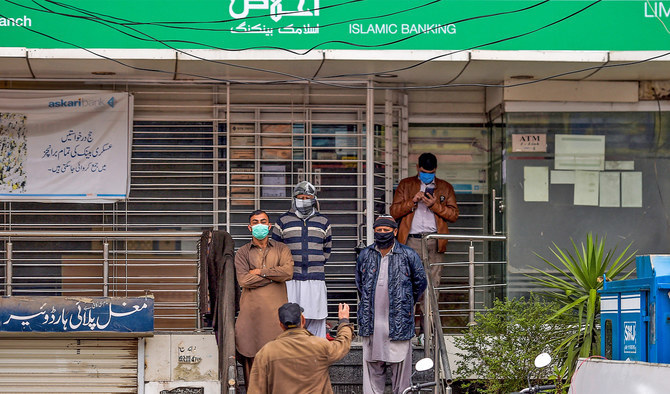
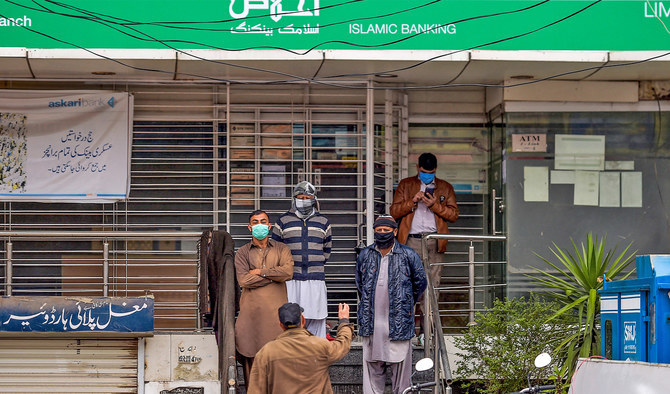
According to the SBP statement issued on Saturday, 22 Islamic banking institutions are currently operating in the country with 3,983 branches and 1,418 banking windows.
“The industry now accounts for 19.4 percent of the country’s overall banking system in terms of assets while in terms of deposits the share is 20 percent,” it said while quoting statistics compiled until the end of March 2022.


