

Microsoft reinforces startup revolution in Saudi Arabia

The company has been diligently driving accelerator programs such as Founders Hub and GrowthX, focusing on improving company performance. (Shutterstock)
Short Url
Updated 30 May 2022
Follow

Microsoft reinforces startup revolution in Saudi Arabia

  • Program supports entrepreneurs with technology, tools and resources

RIYADH: With Saudi Arabia’s Vision 2030 blueprint stirring up the entrepreneurial landscape, startups in the Kingdom are all steamed up to take their businesses to the next level.

A case in point is the widening scope of the Kingdom in Microsoft for Startups, a global incentive program of Microsoft Corp. dedicated to helping startups to scale their growth. 

“Ten percent of our startups in the region right now are in Saudi Arabia, and the numbers will grow way more because the ecosystem in the Kingdom is really heating up,” Roberto Croci, managing director at Microsoft for Startups, the Middle East and Africa, told Arab News.
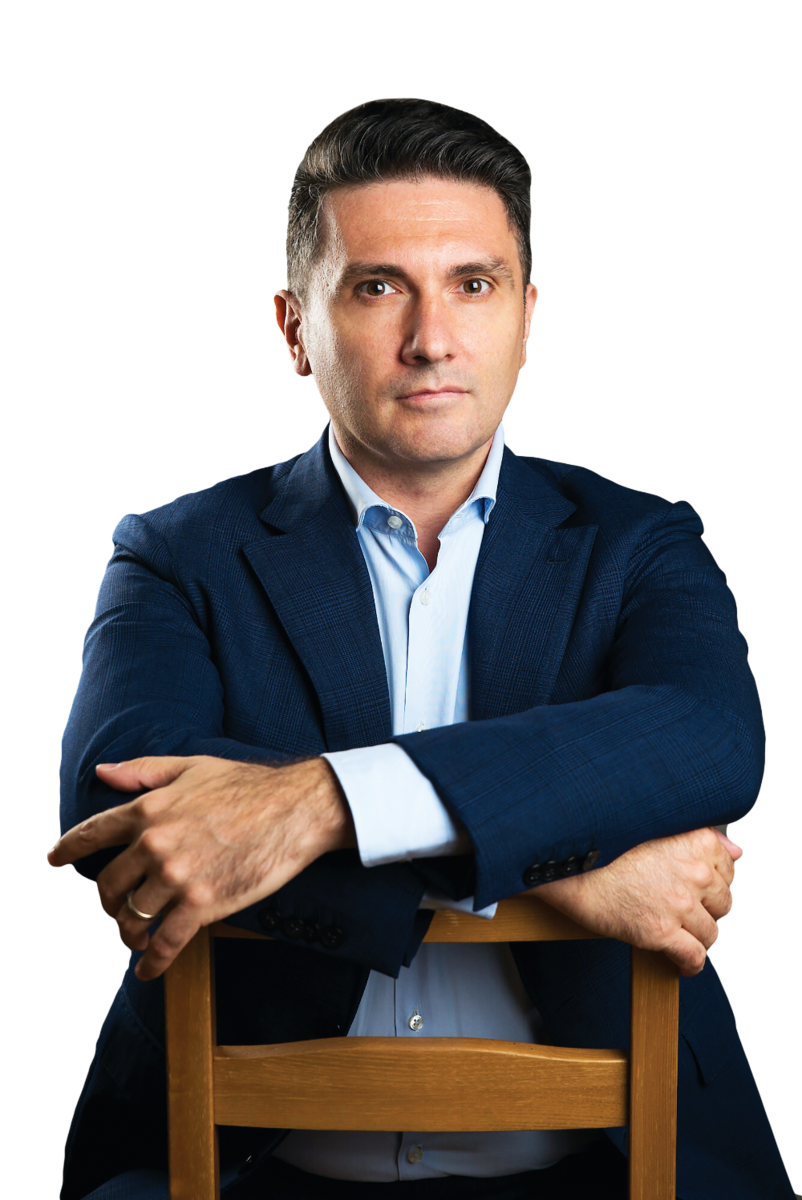
Ten percent of our startups in the region right now are in Saudi Arabia, and the numbers will grow way more because the ecosystem in the Kingdom is really heating up.

Roberto Croci

The program supports entrepreneurs with the technology, tools and resources required to build and run their business, besides leveraging its corporate and enterprise network to provide startups with market intelligence and mentorship. It essentially bridges the gap between startups and big companies.

“If we can make these resources accessible to startups, I think we’re unlocking a huge potential,” said Croci.

He further added: “This is where we want to differentiate. At the top of the technology pillar, we want to help startups build great products that can scale and integrate with third-party applications.”

The hunt for talent 

The company has been diligently driving accelerator programs such as Founders Hub and GrowthX, focusing on improving company performance rather than funding.

“The two main pillars of our programs are centered around access to technology and markets,” Croci said while adding that the platform will launch a new accelerator program to focus on sustainability startups in the Middle East and North Africa.

The platform plans to widen its horizon by focusing not only on the funding aspect of a startup but also on the impact it leaves on society at large.

“We always read about funding rounds in the news, but what about the funding outcome? Are these startups growing? We should talk about successful startups, not those that raise huge sums, but those that leave a lasting impact on society,” opined Croci.

The company focuses on startups in stages between pre-seed and series B, especially pre-series A and series A.

Microsoft does not directly invest in startups, but when the company finds growth potential, it recommends them to M12, a venture capital fund under its fold.

The company also hosts “demo day” for the fledgling companies, an event that directly connects them with the investors.

Thanks to the encouragement, fintech and healthcare firms have emerged on top of Microsoft’s startup mountain and are well poised to unleash a growth wave in the economy. 

As they say in the angel funding circles, there is no greater joy than catching them young and watching them grow.


Saudi investment pipeline active as reforms advance, says Pakistan minister

Updated 08 February 2026
Follow

Saudi investment pipeline active as reforms advance, says Pakistan minister

ALULA: Pakistan’s Finance Minister Mohammed Aurangzeb described Saudi Arabia as a “longstanding partner” and emphasized the importance of sustainable, mutually beneficial cooperation, particularly in key economic sectors.

Speaking to Arab News on the sidelines of the AlUla Conference for Emerging Market Economies, Aurangzeb said the relationship between Pakistan and Saudi Arabia remains resilient despite global geopolitical tensions.

“The Kingdom has been a longstanding partner of Pakistan for the longest time, and we are very grateful for how we have been supported through thick and thin, through rough patches and, even now that we have achieved macroeconomic stability, I think we are now well positioned for growth.”

Aurangzeb said the partnership has facilitated investment across several sectors, including minerals and mining, information technology, agriculture, and tourism. He cited an active pipeline of Saudi investments, including Wafi’s entry into Pakistan’s downstream oil and gas sector.

“The Kingdom has been very public about their appetite for the country, and the sectors are minerals and mining, IT, agriculture, tourism; and there are already investments which have come in. For example, Wafi came in (in terms of downstream oil and gas stations). There’s a very active pipeline.”

He said private sector activity is driving growth in these areas, while government-to-government cooperation is focused mainly on infrastructure development.

Acknowledging longstanding investor concerns related to bureaucracy and delays, Aurangzeb said Pakistan has made progress over the past two years through structural reforms and fiscal discipline, alongside efforts to improve the business environment.

“The last two years we have worked very hard in terms of structural reforms, in terms of what I call getting the basic hygiene right, in terms of the fiscal situation, the current economic situation (…) in terms of all those areas of getting the basic hygiene in a good place.”

Aurangzeb highlighted mining and refining as key areas of engagement, including discussions around the Reko Diq project, while stressing that talks with Saudi investors extend beyond individual ventures.

“From my perspective, it’s not just about one mine, the discussions will continue with the Saudi investors on a number of these areas.”

He also pointed to growing cooperation in the IT sector, particularly in artificial intelligence, noting that several Pakistani tech firms are already in discussions with Saudi counterparts or have established offices in the Kingdom.

Referring to recent talks with Saudi Minister of Economy and Planning Faisal Alibrahim, Aurangzeb said Pakistan’s large freelance workforce presents opportunities for deeper collaboration, provided skills development keeps pace with demand.

“I was just with (Saudi) minister of economy and planning, and he was specifically referring to the Pakistani tech talent, and he is absolutely right. We have the third-largest freelancer population in the world, and what we need to do is to ensure that we upscale, rescale, upgrade them.”

Aurangzeb also cited opportunities to benefit from Saudi Arabia’s experience in the energy sector and noted continued cooperation in defense production.

Looking ahead, he said Pakistan aims to recalibrate its relationship with Saudi Arabia toward trade and investment rather than reliance on aid.

“Our prime minister has been very clear that we want to move this entire discussion as we go forward from aid and support to trade and investment.”