

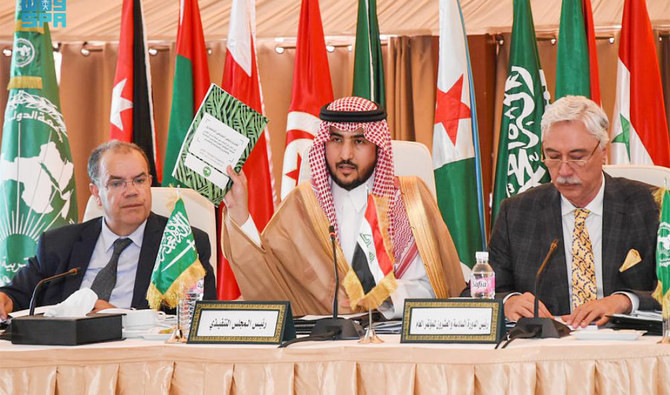

RIYADH: Saudi Arabia has been unanimously re-elected to chair the executive council of the Tunis-based Arab League Educational, Cultural and Scientific Organization until 2024.
The decision was made by members of ALECSO’s executive council after the 26th session of the general conference, which concluded its activities on Saturday.
Council members expressed their appreciation for the positive results achieved and the complementary work of the executive council during the past 10 months.
They unanimously agreed on the importance of maintaining the council’s new and advanced vision and reiterated that the accomplishments represented an important shift in the council's history toward strengthening its role in supporting the organization and its programs to serve its orientation in the Arab world, as it had worked on several initiatives that strengthened joint Arab action.
The decision to re-elect the Kingdom came after the appreciation of the general conference for the efforts made by the executive council under the Kingdom’s stewardship, which executed its tasks according to a clear methodology and spirit based on integrated work between the executive board and administration of ALECSO.
The Arab ministers praised the initiative of the Saudi representative and chairman of ALECSO's executive council, Hani Al-Moqbil, to develop the council’s road map, which was put together with a transparent methodology based on the involvement of countries in building a common Arab vision to support and enable the organization to achieve its goals.
Al-Moqbil extended his appreciation to King Salman and Crown Prince Mohammed bin Salman for their constant support, empowerment, and care, which was reflected in the Saudi role and its presidency of the executive council to contribute to a beneficial impact and supportive action for the development of ALECSO.
He also thanked Culture Minister Prince Badr bin Abdullah bin Farhan, who is also the chairman of the National Committee for Education, Culture, and Science, for his support, guidance, supervision, and harnessing of capabilities which gave direct and significant support throughout the Saudi presidency which helped it in serving its goals with all Arab countries.
Al-Moqbil also thanked the Arab countries and members of the ALECSO executive council for their re-election of the Kingdom and for renewing their confidence in the results that had been achieved during the past 10 months.
He added that this could only have been achieved through the spirit of teamwork and keenness to develop the organization's activities and constructive participation in adopting decisions and organizing tracks of action to reach the best possible results to contribute to achieving the goals of the organization, and to promote building dialogue and cooperation thus serving the organization’s joint work among the countries.
Al-Moqbil said: “Saudi Arabia, in its presidency of the executive council, worked to oversee the interests of the countries by listening to their proposals, observations, and visions to ensure that they are reflected on the ground and implemented in stages. The countries will work with greater effort and higher interest in taking care of the organization's interests."


