

GE to participate in wind turbines project in Yanbu Industrial City: Saudi Head

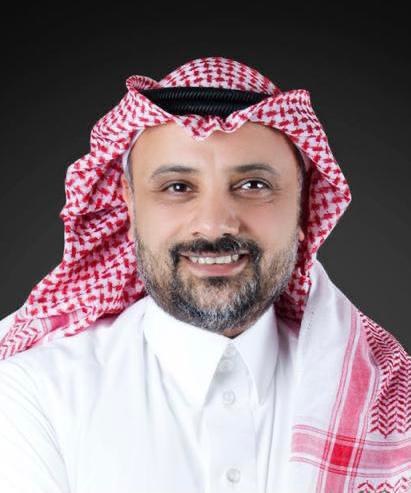
Hisham Albahkali, the president of GE Saudi Arabia and Bahrain (Supplied)
Short Url
Updated 20 May 2022
Follow

GE to participate in wind turbines project in Yanbu Industrial City: Saudi Head

  • Separately, GE signed a memorandum of understanding with Saudi Aramco and the Saudi Electricity Company to develop a roadmap toward hydrogen and ammonia neutralization for power generation

DAMMAM: General Electric is planning to participate in a tender to build two wind turbines in Yanbu Industrial City,.

The project is expect to be awarded by end of this year with a total capacity of 800 megawatts.

The project will be developed over two phases with each phase supplying 400 megawatt.

Yanbu is a port city on the Red Sea coast of western Saudi Arabia and hosts major downstream oil and petrochemicals facilities.

The area is managed by the Royal Commission for Jubail and Yanbu.

GE said it plans to accelerate its renewable production of wind turbines and hybrid battery storage, as well as solar and hydrogen-related products, in line with the Saudi green initiative.

The US-based engineering giant is also a leading manufacturer of gas turbines, which work to limit carbon emissions.
 

“GE has a record of efficient gas turbines, which we were able to achieve with our technology development,” said Hisham Albahkali, the president of GE Saudi Arabia and Bahrain, in an exclusive interview with Arab News. “We have been able to reach the optimum efficiency, which gives less pollution and less carbon.”

Albahkali explained how the firm aims to optimize the output of its gas turbine production.

He said: “Gas turbines work on fossil fuel, but the idea is to burn hydrogen. So, the output of the gas turbine won’t be combined with hydrocarbons.”

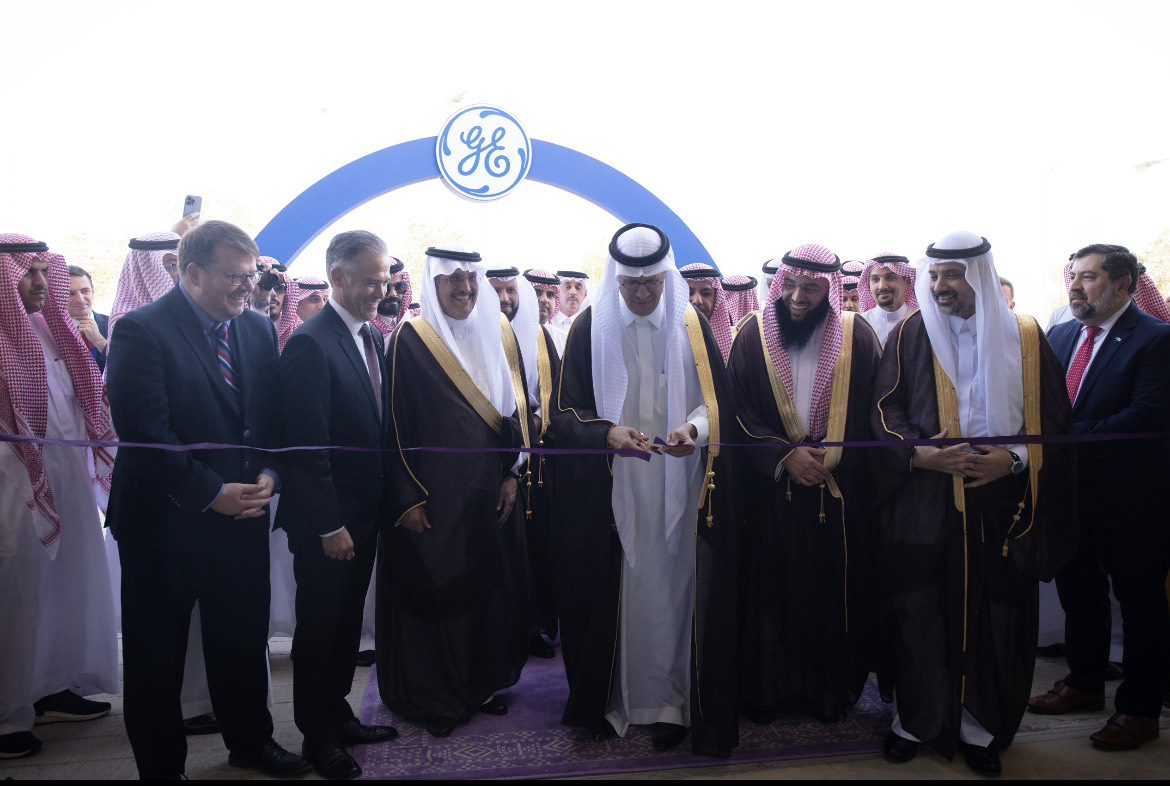
Separately, GE signed a memorandum of understanding with Saudi Aramco and the Saudi Electricity Company to develop a roadmap toward hydrogen and ammonia neutralization for power generation and carbon capture on May 16.

“We have provided Aramco and SEC with one wind turbine each, and we are participating in several solutions with them for batteries,” Albahkali added on the sidelines of the MoU signing ceremony.

FASTFACT

SME focus

GE has enrolled around 200 local SMEs into workshop units to help them meet global energy standards.

“Human capital is important for us,” Albahkali said.

GE celebrated its 130th anniversary in April and has operated in the Kingdom for 90 years. 


Saudi Arabia’s foreign reserves rise to a 6-year high of $475bn

Updated 22 February 2026
Follow

Saudi Arabia’s foreign reserves rise to a 6-year high of $475bn

RIYADH: Saudi Arabia’s foreign reserves climbed 3 percent month on month in January to SR1.78 trillion, up SR58.7 billion ($15.6 billion) from December and marking a six-year high.

On an annual basis, the Saudi Central Bank’s net foreign assets rose by 10 percent, equivalent to SR155.8 billion, according to data from the Saudi Central Bank, Argaam reported.

The reserve assets, a crucial indicator of economic stability and external financial strength, comprise several key components.

According to the central bank, also known as SAMA, the Kingdom’s reserves include foreign securities, foreign currency, and bank deposits, as well as its reserve position at the International Monetary Fund, Special Drawing Rights, and monetary gold.

The rise in reserves underscores the strength and liquidity of the Kingdom’s financial position and aligns with Saudi Arabia’s goal of strengthening its financial safety net as it advances economic diversification under Vision 2030.

The value of foreign currency reserves, which represent approximately 95 percent of the total holdings, increased by about 10 percent during January 2026 compared to the same month in 2025, reaching SR1.68 trillion.

The value of the reserve at the IMF increased by 9 percent to reach SR13.1 billion.

Meanwhile, SDRs rose by 5 percent during the period to reach SR80.5 billion.

The Kingdom’s gold reserves remained stable at SR1.62 billion, the same level it has maintained since January 2008.

Saudi Arabia’s foreign reserve assets saw a monthly rise of 5 percent in November, climbing to SR1.74 trillion, according to the Kingdom’s central bank.

Overall, the continued advancement in reserve assets highlights the strength of Saudi Arabia’s fiscal and monetary buffers. These resources support the national currency, help maintain financial system stability, and enhance the country’s ability to navigate global economic volatility.

The sustained accumulation of foreign reserves is a critical pillar of the Kingdom’s economic stability. It directly reinforces investor confidence in the riyal’s peg to the US dollar, a foundational monetary policy, by providing SAMA with ample resources to defend the currency if needed.

Furthermore, this financial buffer enhances the nation’s sovereign credit profile, lowers national borrowing costs, and provides essential fiscal space to navigate global economic volatility while continuing to fund its ambitious Vision 2030 transformation agenda.