

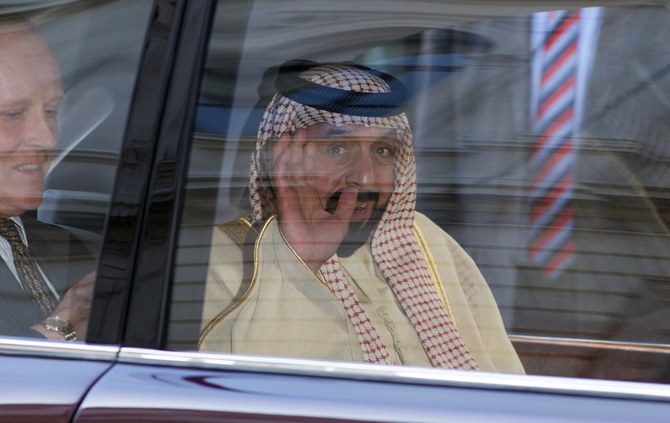

DUBAI: World leaders have offered their condolences after the UAE announced the death of its President Sheikh Khalifa bin Zayed on Friday.
US President Joe Biden paid tribute to Sheikh Khalifa, saying he “was a true partner and friend of the United States.”
He continued: “We will honor his memory by continuing to strengthen the longstanding ties between the governments and people of the United States and the United Arab Emirates.” British Prime Minister Boris Johnson said he was deeply saddened to hear of the death of Sheikh Khalifa, adding he was a “wise and respected leader who will be missed enormously“
Abu Dhabi Crown Prince Sheikh Mohamed Bin Zayed said the UAE lost “righteous son and leader” after death of Sheikh Khalifa.
"Khalifa bin Zayed, my brother, my mentor and my teacher, may God have mercy on you with his vast mercy and allow you into his paradise," he wrote.
إنا لله وإنا إليه راجعون .. فقدت الإمارات ابنها البار وقائد "مرحلة التمكين" وأمين رحلتها المباركة.. مواقفه وإنجازاته وحكمته وعطاؤه ومبادراته في كل زاوية من زوايا الوطن.. خليفة بن زايد، أخي وعضيدي ومعلمي ، رحمك الله بواسع رحمته وأدخلك في رضوانه وجنانه.
— محمد بن زايد (@MohamedBinZayed) May 13, 2022
Sheikh Mohammed bin Rashid, ruler of Dubai, offered his deepest condolences on Twitter, bidding farewell to the country's leader.
بقلوب يعتصرها الحزن .. وبنفوس مؤمنة بقضاء الله وقدره .. ننعى راعي مسيرتنا .. ورئيس دولتنا الشيخ خليفة بن زايد آل نهيان لشعب الإمارات وللشعوب العربية والإسلامية وللعالم .. اللهم إنه حط رحاله عندك .. فأكرم وفادته.. ووسع مدخله .. وإجعل مثواه الفردوس الأعلى من الجنة .. آمين pic.twitter.com/j1bbuHnC1h
— HH Sheikh Mohammed (@HHShkMohd) May 13, 2022
"The UAE and the world have lost a wise leader loyal to his people and his nation who devoted his life since the establishment of the union to serve the Emirates," wrote Anwar Gargash, diplomatic advisor to the UAE president, on Twitter.
فقدت الإمارات والعالم قائداً حكيماً وفياً لشعبه وأمته نذر حياته منذ تأسيس الاتحاد لخدمة الإمارات وإعلاء شأنها، نسأل الله أن يتغمد الشيخ خليفة بن زايد آل نهيان بواسع رحمته ورضوانه وعزاؤنا في قيادتنا الرشيدة لمواصلة مسيرة الخير والتنمية والازدهار. pic.twitter.com/9WhAQ6cL0I
— د. أنور قرقاش (@AnwarGargash) May 13, 2022
Egyptian President Abdel Fattah El-Sisi said that he “mourns one of the most precious men and one of the greatest leaders, Sheikh Khalifa bin Zayed Al-Nahyan.”
El-Sisi continued to say that the UAE leader was known for his giving nature, offering abundantly to his nation and people.
أنعى بخالص الحزن والأسى رجلًا من أغلى الرجال، وقائدًا من أعظم القادة، الشيخ خليفة بن زايد آل نهيان، رئيس دولة الإمارات، الذي وافته المنية بعد رحلة طويلة من العطاء، قدم فيها الكثير لبلاده وأمته، حتى صارت الإمارات نموذجًا للتطور والحداثة في منطقتنا والعالم.
١/٢— Abdelfattah Elsisi (@AlsisiOfficial) May 13, 2022
The Secretary-General of the Gulf Cooperation Council (GCC), Nayef Al-Hajraf, said, “with the departure of Sheikh Khalifa bin Zayed, we lost a Gulf and Arab leader and pioneer.”
Meanwhile, leaders of Bahrain, Kuwait, Qatar, Jordan Morocco, Iraq, France, Oman, Palestine and Turkey, as well as the heads of the Arab Parliament, the Arab League and the Organization of Islamic Cooperation, also sent their condolences as the UAE mourned his death.
Kuwait, along with several other countries, announced three days of mourning with all ministries and government departments closing, with the flags at half-mast for 40 days.
Commenting on the tragic loss was the US Embassy in the UAE, which released in a statement that Sheikh Khalifa was a true friend of the United States.


