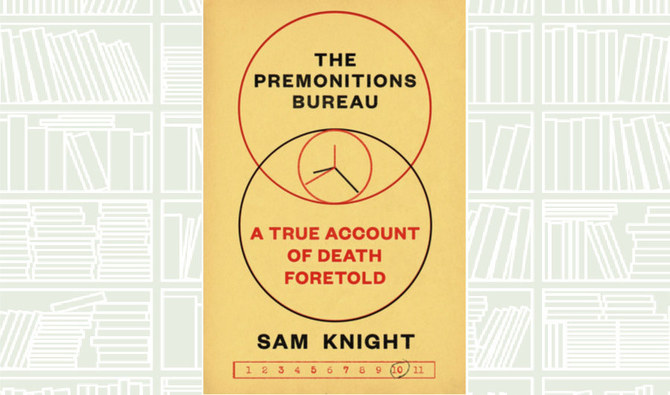

The Premonitions Bureau is an enthralling account of madness and wonder, of science and the supernatural.
With an unforgettable ending, it is a mysterious journey into the most unsettling reaches of the human mind.
“In Sam Knight’s crystalline telling, this astonishing true story comes to encompass the secrets of the world,” said a review on goodreads.com.
We all know premonitions are impossible — and yet they come true all the time. Our lives are full of collisions and coincidence: The question is how we perceive these implausible events and therefore make meaning in our lives,” said the review.
It added: “Consisting of just over 200 pages, this book is a little gem that flits around the topics of the paranormal, philosophy — the concept of ‘free will’ — and is actually an extension of Knight’s 2019 New Yorker article of the same title.”
Knight “takes no firm stance on the objective truth of premonitions, which made the book thought-provoking rather than restrictive,” said the review.
“This book feels like a quirky film plot.”