GAZA CITY: “There is nothing more beautiful than the old days and the month of Ramadan in the past.”
With these simple words, Palestinian Um Ahmed Aqel started to recall the Ramadan atmosphere before the Nakba in 1948.
Born in 1925, Aqel was a married woman when she was forced to emigrate with her family from her hometown of Sarafand during the Nakba. She lost her infant daughter on the terrifying migration journey from Sarafand to Gaza. The 74th anniversary of the Palestinian tragedy is approaching on May 15.
At 97, her memory is still burning bright and untouched by the years. She recalls much of the Ramadan experience in Palestine before the Nakba.
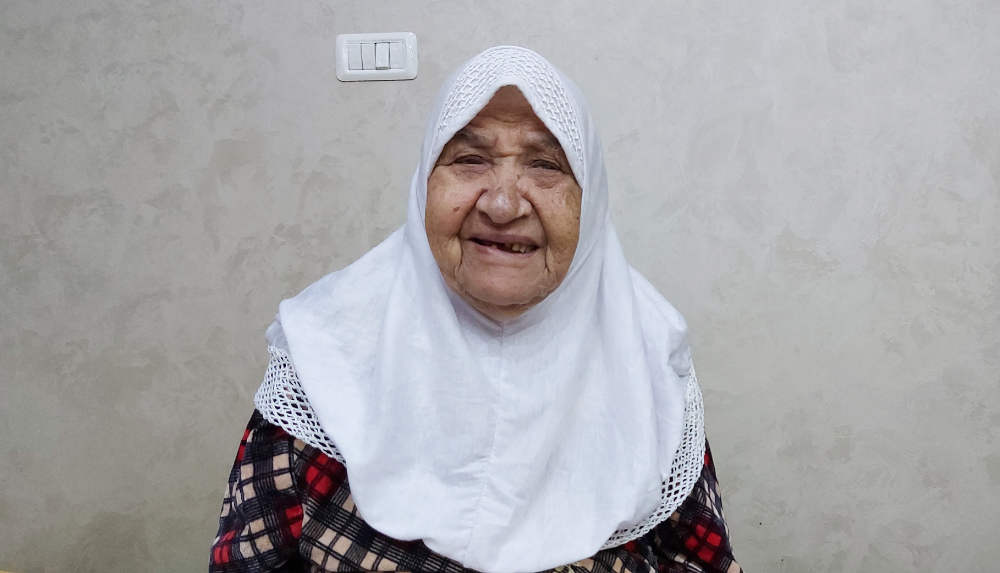
Um Ahmed Aqel
“Life today is different and difficult, but at the time people were simple and good,” she said.
During Ramadan, the city was decorated and sweets shops thrived; this month was one of the most beautiful months of the year, because of its beautiful atmosphere and traditions, especially during the night.
Ali Al-Aseel, Native of Jaffa
“Before and during Ramadan, happiness fills the hearts, as if people are waiting for a dear one who has been away for a long time. Ramadan for us was the month of goodness and blessing.”
With a smile on a wrinkled face, Aqel remembered how women were busy in the days before Ramadan, preparing pottery jars for keeping water cold and making cheese for Suhoor meals.
The wealthier people in the town were keen to distribute flour and vegetables to the poor and to pay their zakat on the first day of Ramadan so that those entitled to it can buy what they needed for the holy month.
“The women used to meet as groups to prepare the Iftar table and exchange food items. Unlike these days, it did not contain many items and did not exceed the family’s needs, but rather it had one item that contained a meal of seasonal vegetables, such as peas or beans or Jerisha, which is crushed wheat cooked with red meat.”
The Jerisha dish, a seasonal meal, was so costly that most families could not afford it and rich families cooked it in large quantities in Ramadan, distributing it to the people of the town to celebrate the Holy Month.
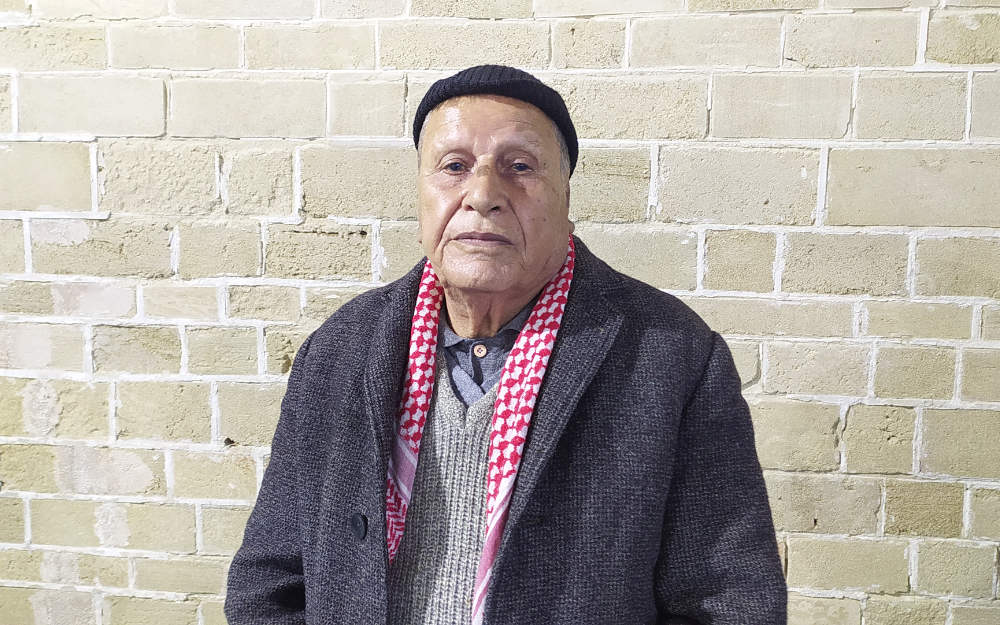
Ali Al-Aseel
The town of Sarafand had a population of no more than 2,000 people at the time of the Nakba. “There was one small mosque in Sarafand. The children of the village, boys and girls, gathered near it at sunset, waiting for the Maghrib call to prayer, and they went cheering and glorified towards their homes.”
Ali Al-Aseel, 87, was a 13-year-old child, during the Nakba, which he endured with his family from Jaffa.
Like Aqel, Al-Aseel clearly remembers the Ramadan customs and traditions that seem unaffected by the long years since his childhood in Jaffa. He still remembers the house in which he was born and many details of daily life.
“During Ramadan, the city was decorated and sweets shops thrived, this month was one of the most beautiful months of the year, because of its beautiful atmosphere and traditions, especially during the night,” he said.
With the sunset, the beach was crowded with young people and children waiting for the Iftar cannon, which distinguishes the city of Jaffa from other large cities in Palestine. The locals relied on the loud sound it makes, marking the time of Iftar.
After Iftar, the men performed the evening and Tarawih prayers, gathered in public, and listened to religious invocations, or to radio programs, which were available in the family councils.
“Life was simple, and the month of Ramadan increases harmony, and families gathered on one Tabliah,” a small and low wooden table, around which family members gather, eating together from one dish.
Palestinian historian Salim Al-Mubayed said that much of the joy of welcoming the month of Ramadan and the atmosphere that distinguished it in the past has disappeared, whether because of the Nakba and its repercussions, or because of development, technology and preoccupation with life concerns.
“Where has this beautiful and simple era gone? Has it been swallowed up by technology, as it has swallowed up many beautiful appearances, customs and traditions?”