

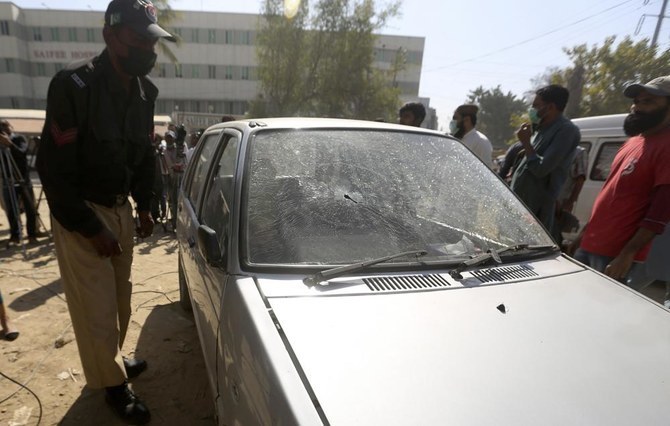

KARACHI: Police in Pakistan’s southern Sindh province on Monday said they had shot dead a suspect wanted for the murder of journalist Athar Mateen, who was killed last month while preventing a mugging in Karachi.
Mateen, a news producer at a local television channel, was on his way home after dropping off his children to school on February 18, when he saw two men on a motorbike robbing a citizen at gunpoint.
He rammed his car into the motorcycle to stop the muggers, who shot at the journalist’s car before stealing a passerby’s motorcycle and speeding away. The news producer died on the spot in his car, just a few hundred meters away from a police station and about a kilometer away from a headquarter of the paramilitary Rangers.
A senior police official said the suspect was killed in an “encounter” in Qambar Shahdadkot district, days after the arrest of another suspect involved in the murder from the Sindh-Balochistan border area.
“Police have killed Mohammad Anwar, the second suspect in the murder of Athar Mateen,” Karachi Additional Inspector General (AIG) Ghulam Nabi Memon told Arab News.
The official said the police conducted a raid for Anwar’s arrest, based on the information provided by the suspect, Ashraf, who was apprehended on February 27 as well as ground intelligence. Anwar had gone into hiding in the Sindh district that borders Balochistan, he added.
Asked who fired the fatal shot at the journalist, the Karachi police chief said further investigation would determine this.
“It’s now hundred percent confirmed that both Anwar and Ashraf were involved in the murder of Athar Mateen,” he said.
“When we asked Ashraf, he told us that ‘Anwar,’ who has now been killed in the encounter, ‘had fired the shots’.”
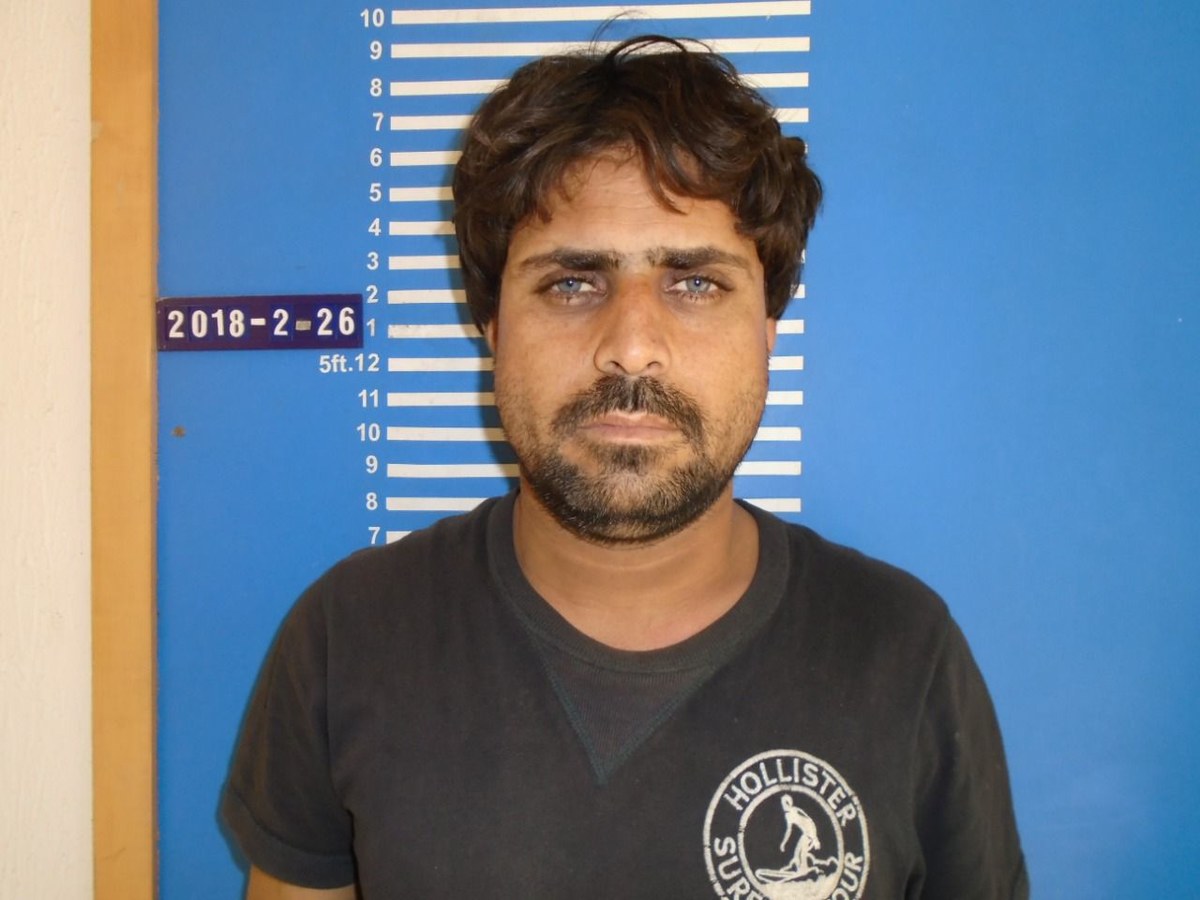
This photo shows prime suspect of wanted for the murder of journalist Athar Mateen, who was killed last month while preventing a mugging in Karachi. (Photo Courtesy: Sindh Police)
The Sindh police is often accused of staging fake “encounters.”
Arab News asked Qambar Shahdadkot Senior Superintendent of Police (SSP) Bashir Ahmed Brohi about the circumstances that led to the shootout and if any efforts were made to arrest the suspect, but he didn’t respond to the request for comment.
Murtaza Wahab, who speaks for the provincial government in Sindh, also confirmed Anwar’s killing in an “encounter.”
“Mohammad Anwar, the second prime suspect in the murder of journalist Ather Mateen has been killed in a police encounter in District Kamber Shahdadkot,” Wahab said on Twitter.
Mateen was one among at least 15 people killed in street robberies gone wrong in Karachi since January 1 — part of a surge in crime that government officials, victims and experts blame on inaction by law enforcement agencies and low conviction rates by courts for repeat offenders.
Until 2013, Karachi, a city of at least 18 million people, had a reputation as one of the world’s most dangerous places. Then the Rangers moved in to make its mean streets safer in a crackdown that has come to be popularly called the “Karachi Operation” and which saw crime rates plunge and some of the country’s most-wanted men put behind bars.
In recent months, however, crime is back on the streets of Karachi, alarming authorities and citizens who fear for a city that is home to Pakistan’s main stock market, handles all of the cash-strapped country’s shipping and generates most of Pakistan’s tax revenue.


