ISLAMABAD: Pakistani Prime Minister Imran Khan said in an interview broadcast on Tuesday his government was “in the process” of appointing an ambassador to France, an issue that has outraged the country’s religious right and sparked violent protests in the past.
Thousands of activists from the Tehrik-e-Labaik Pakistan (TLP) religious political party clashed with security forces in Pakistan last year over a series of caricatures of the Prophet Muhammad (pbuh) published in the French satirical magazine, Charlie Hebdo. The protesters demanded that Pakistan break all ties with France over the cartoons, considered blasphemous by Muslims, and recall the ambassador to Paris.
Following violent clashes in April, authorities designated the TLP a ‘terrorist’ movement and arrested its leader, Saad Rizvi.
In Octobers, TLP launched a new protest asking for Rizvi’s release and the expulsion of the French envoy. Several policemen were killed in clashes and protests were called off after Prime Minister Imran Khan’s government struck a secret deal with the demonstrators. Neither side has disclosed details.
The South Asian nation currently has no ambassador in Paris.
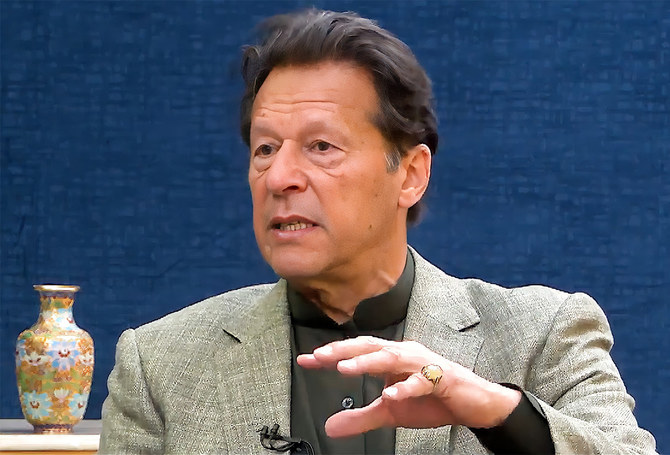
In an interview with French daily newspaper Le Figaro, PM Khan said Pakistan was now planning to appoint its envoy to Paris.
“I think we are in the process of doing so,” he said, when asked about the appointment, adding that France was a “very important country” for Pakistan with regards to exports.
Following the Oct-Nov protests, Pakistan removed Saad Rizvi from its terrorism watchlist and later released him from detention. The government also freed 2,000 detained TLP members, lifted a ban on the group and agreed to let it contest elections.
In return, the TLP agreed to shun the politics of violence and withdraw a demand to have France’s ambassador expelled.
“Firstly, I mean Pakistan has half its exports, almost half of its exports into European countries,” PM said, explaining the importance of France. “France is one of the most important countries and a trading partner.”
PM Khan said the main interest of his government was to fix the economy and increasing the country’s exports was vital to achieve this.
“So, therefore, my main interest is the economy and because of that France is extremely important for us,” he said.
Asked how he intended to boost the bilateral relationship between the two countries, the Pakistani premier said there had hardly been any international travel due to the COVID-19 pandemic, but he would like to meet President Emmanuel Macron in the future and discuss the relationship in person.
Yousaf Raza Gilani was the last Pakistani prime minister to visit France in 2011.


![]()

Months after anti-France protests, Pakistani PM says ‘in process’ of appointing ambassador to Paris
Short Url
https://arab.news/c4kcp
Months after anti-France protests, Pakistani PM says ‘in process’ of appointing ambassador to Paris
- Violent protests were held last year demanding cutting diplomatic ties with France over blasphemous caricatures
- PM says France “very important” for Pakistan, hopes to meet President Macron in future to discuss bilateral ties
Latest updates


Recommended


© 2026 SAUDI RESEARCH & PUBLISHING COMPANY, All Rights Reserved And subject to Terms of Use Agreement.